Six places that are easy to reach, safe to walk at night, cheap enough to stay a week, and simple to navigate without any language skills. With a full receipt from seven days in Lisbon.
Your first trip abroad on your own is mostly a logistics problem. You are not short of enthusiasm. You are short of reference points. You do not know what a hostel dorm smells like at 7am, how a foreign bus ticket machine works, or whether £60 a day is generous or tight.
The fastest way to solve that is to pick a destination that forgives mistakes. Somewhere with cheap transport from home, signage in English, a compact centre you can walk, and prices low enough that one bad decision does not end the trip.
Below are six places that fit. Each one is judged on four things: how easy it is to get there, how safe it feels alone after dark, how simple it is to move around, and what a week actually costs. Further down there is a real receipt from seven days in Lisbon so you can see where money goes. If you would rather browse by place first, the full dispatch index and the travel map show everywhere covered so far.
What makes a destination beginner friendly
Four things, in this order.
- Short, frequent flights. If a route runs five times a day, a missed flight costs you hours, not a day.
- A walkable centre. If your accommodation, the food and the main sights sit inside a two mile circle, you never depend on a transport system you do not understand yet.
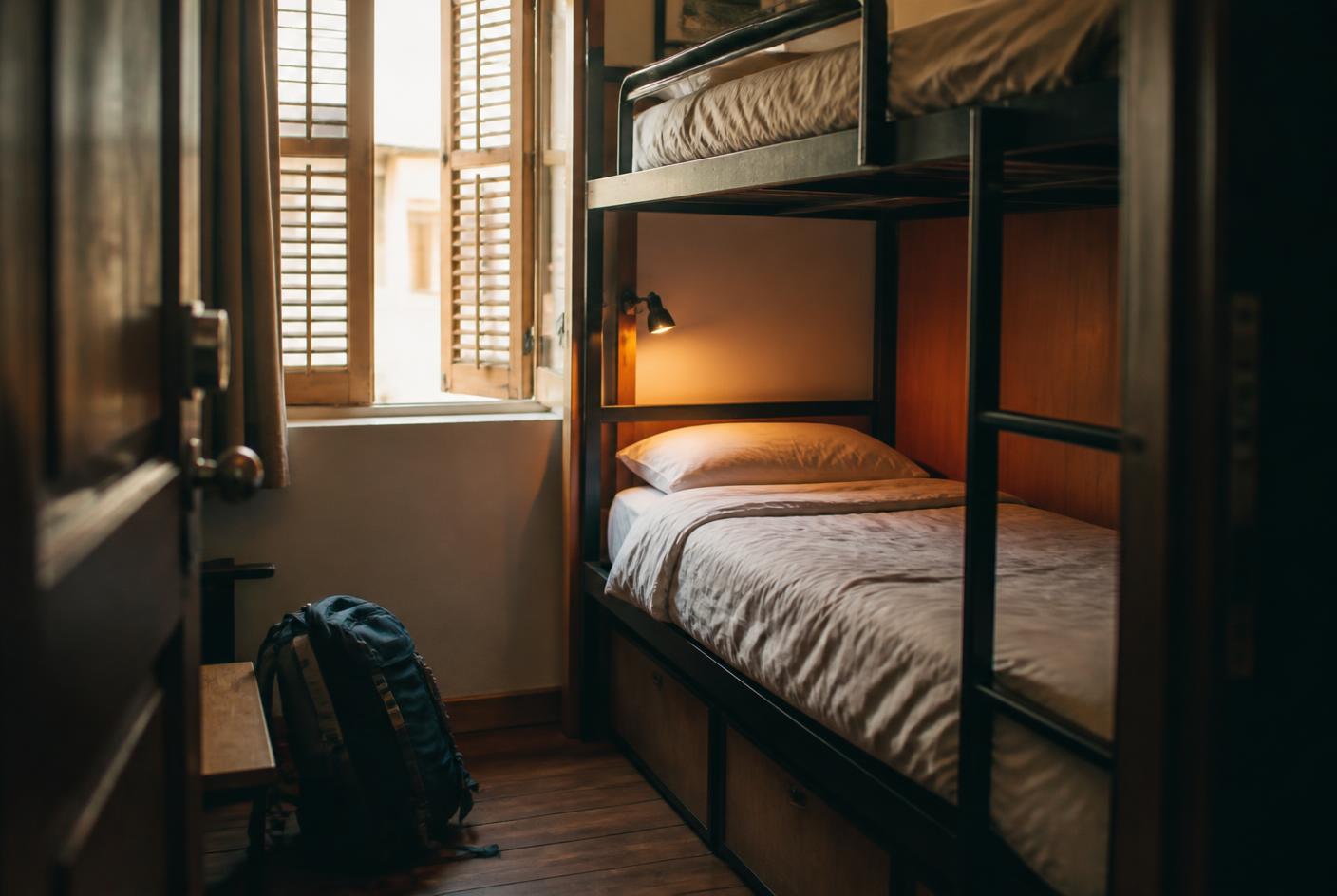
- A visible tourist infrastructure. Free walking tours, luggage storage, English menus, hostels with common rooms. This is not cheating. It is scaffolding you remove later.
- Low daily cost. Under about £80 a day covers a bed, three meals and local transport in every city on this list.
1. Lisbon, Portugal
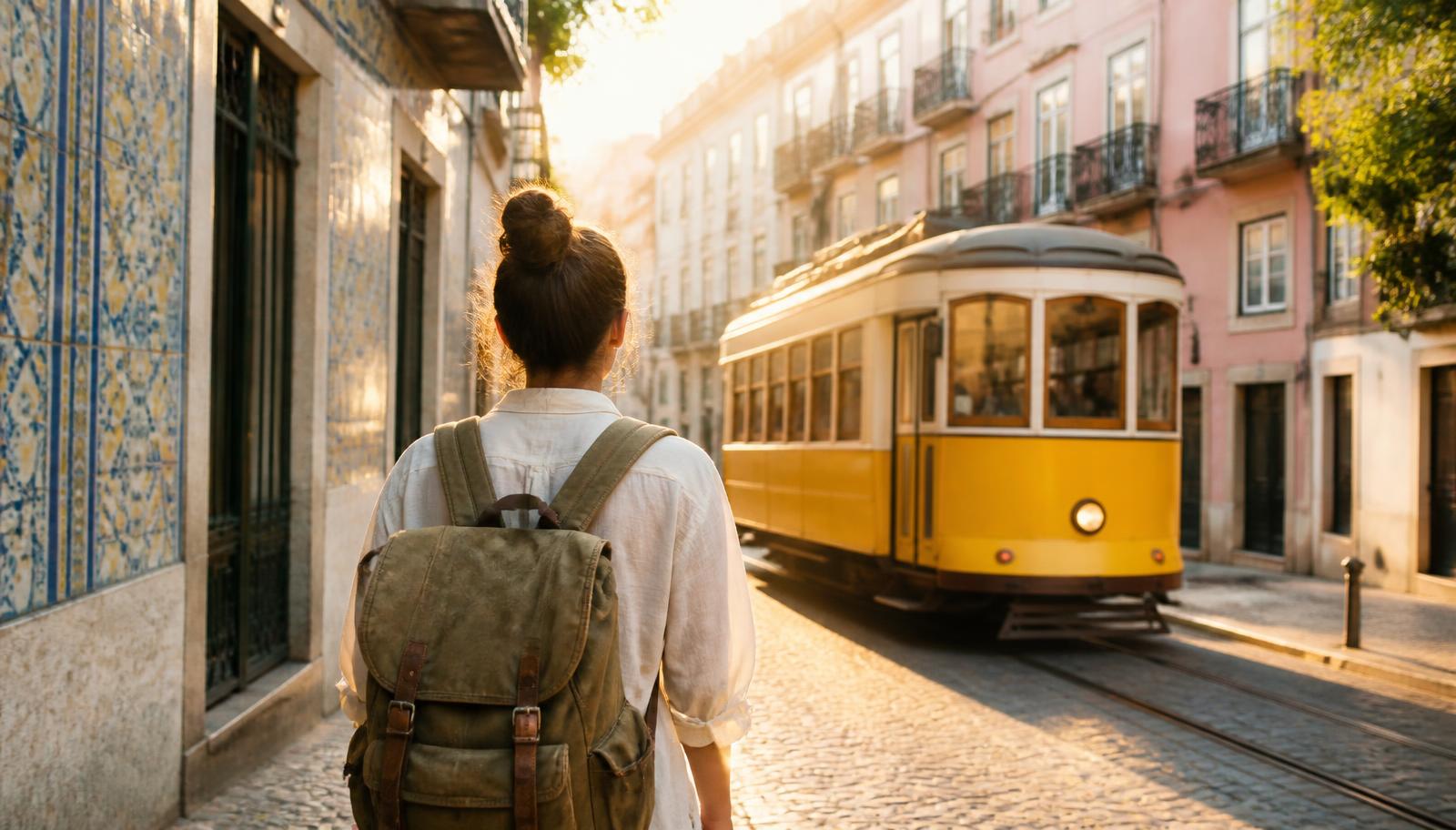
The strongest all round first trip from the UK. Flights from London run under two and a half hours and often cost less than £100 return outside July and August. The old centre is small, the metro is four lines and impossible to get lost on, and every hostel here is used to people arriving alone.
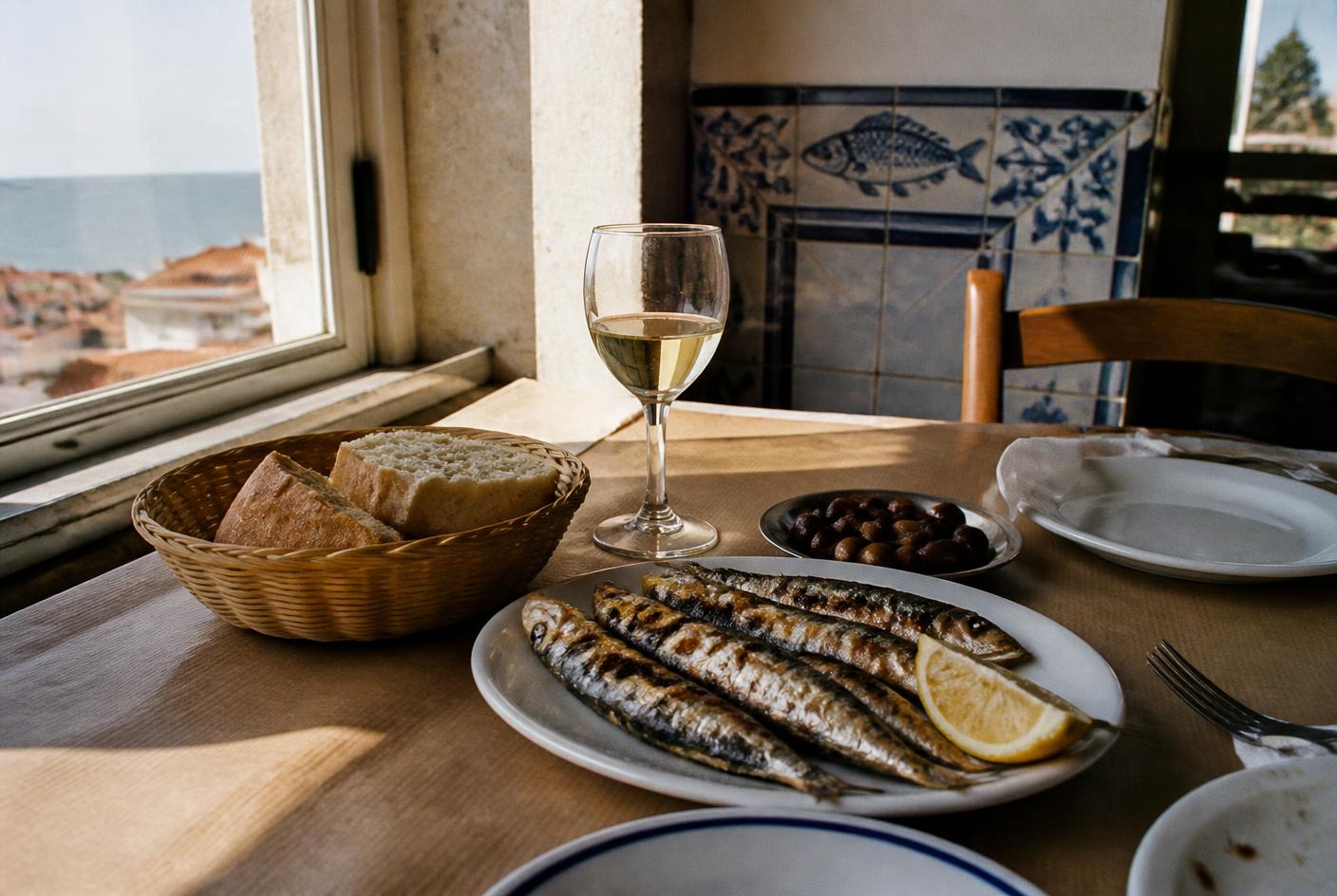
Food is the real argument. A plate of grilled sardines with bread and a glass of wine in a neighbourhood restaurant runs about £12. Coffee at the counter is under £1.
Give it five to seven days. Three in the city, one in Sintra, one in Cascais, and two spare for the days you decide to do nothing. For a sense of how far a small budget stretches once you are confident, read three weeks in Georgia on £30 a day.
2. Ljubljana, Slovenia
Slovenia is the quiet answer for anyone nervous about crowds. The capital has about 300,000 people, a car free centre, and a river running through the middle with tables along both banks. You can cross the whole old town in fifteen minutes.
Lake Bled is a one hour bus ride and costs around €7 each way. Trains and buses run to timetable, the same overland rhythm described in the Balkan bus loop. Crime against tourists is rare enough that walking back at midnight feels ordinary rather than brave. Budget around £70 a day including a private hostel room.
3. Kraków, Poland
Cheap, easy and full of things to do when the weather turns. Flights from most UK airports are around two and a half hours. A hostel bed sits near £14 a night, a full sit down meal near £8, and a tram ticket near 90p.
The main square is one of the largest medieval squares in Europe and everything you want is walking distance from it. Auschwitz Birkenau is a ninety minute bus ride and free to enter if you go without a guide before 10am or after 2pm, though booking online is still required.
4. Chiang Mai, Thailand
The right first choice if you want long haul without the difficulty. The old city is a square kilometre surrounded by a moat, so orientation is trivial. Food from a street stall costs around £1.50, a guesthouse room with air conditioning around £16 a night, and a scooter taxi across town about £1.
Flights are the barrier. Expect £550 to £750 return from the UK with one stop, plus two travel days each way. That only makes sense if you stay at least two weeks. For a slower long haul trip in the same region, see sleeping in temples on the Shikoku pilgrimage.
5. Dublin, Ireland
No language barrier, no currency confusion beyond euros, and flights from most of Britain under ninety minutes. Prices are the drawback. Accommodation in Dublin is genuinely expensive, so expect £45 a night for a dorm bed in summer. Everything else is cheap enough to balance it.
Use it as a proving trip. Three nights to work out how you handle being alone, then go somewhere further next time.
6. Valencia, Spain
Warmer than Lisbon in shoulder season, flatter than most Spanish cities and built around a nine kilometre park in a drained riverbed. Bike hire is about £8 a day and covers everything you need. Paella here is a lunch dish, not a dinner one, and a proper one costs around £14 a head. If eating well on little money is the point of the trip, Oaxaca for mezcal, not Instagram is the same idea in Mexico.
What a first week actually costs
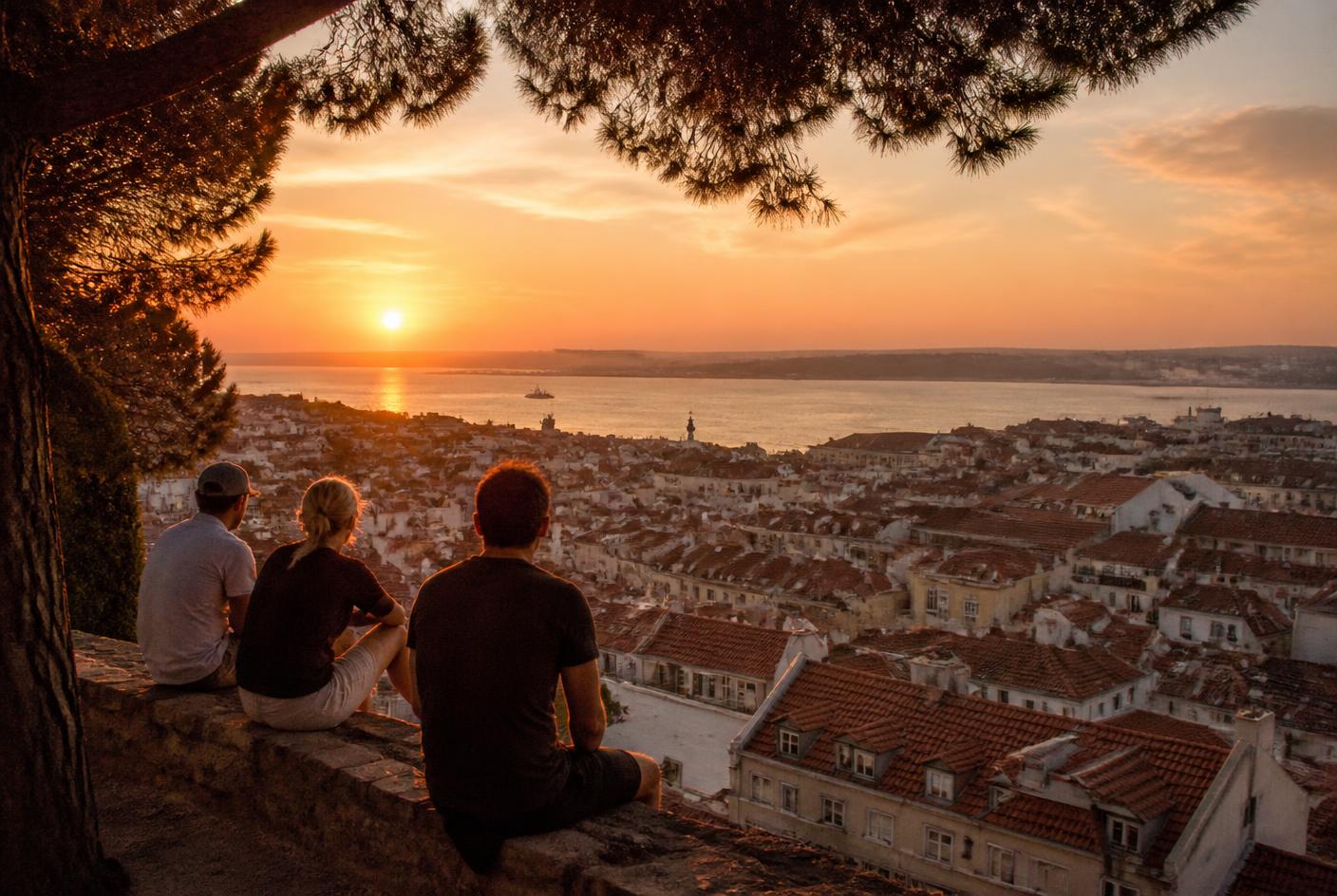
The receipt beside this article is from seven days in Lisbon in late September, travelling alone, staying in a mixed dorm, eating out twice a day and taking one day trip to Sintra.
Total came to £558, which is £79.71 a day including flights. Strip the flights out and the on the ground cost was £66 a day. Two things moved that number most. The dorm bed instead of a private room saved roughly £180 over the week. Eating lunch at the counter of a neighbourhood place rather than a table on a main square saved around £6 a meal.
Nothing on that receipt was booked more than three weeks ahead except the flights. Every trip on this site is published with the same itemised receipt, so compare a few in the dispatch index before you set your own number.
How to actually book it
Six weeks out, book flights and the first two nights only. Nothing else.
Two weeks out, book the rest of the accommodation once you know whether you want to stay put or move on. Check your passport has six months left on it and that your bank card works abroad without a fee. Set up an eSIM, which costs about £9 for 5GB across Europe.
The week before, write down the address of your first accommodation on paper and screenshot the route from the airport. Phone batteries die at exactly the wrong moment.
On the day, take the train or metro from the airport rather than a taxi. Every city on this list has one and it costs a tenth of the fare.
Frequently asked questions
Which of these is the single best first destination? Lisbon, if you are travelling from the UK or Ireland. Short flight, low prices, small centre, and enough other solo travellers that you will not eat every meal alone unless you want to.
How much should I budget per day? Between £65 and £85 a day in Portugal, Slovenia, Poland and Spain, covering a hostel bed, three meals, local transport and one paid attraction. Dublin runs closer to £110. Chiang Mai runs closer to £35 once you have paid for the flight.
Is a hostel dorm safe on a first trip? Yes, in all six places listed. Look for hostels with lockers inside the room and a 24 hour reception. Book a smaller dorm of four to six beds for your first two nights. It costs a few pounds more and makes the adjustment easier.
Do I need travel insurance for Europe? Yes. A GHIC card covers state medical treatment in the EU but not repatriation, cancellation or theft. A single trip policy for a week in Europe costs about £12.
What if I do not speak the language? None of these places require it. Learn hello, please, thank you and the numbers one to ten. Everything else can happen by pointing.
How long should the first trip be? Five to seven nights for Europe. Anything shorter and two of your days are eaten by airports. Two weeks minimum for Thailand.
If you want the next guide when it lands, the postcard newsletter goes out once a month. Questions about a specific route can go through the contact page, and there is more on who writes this and why on the about page.