
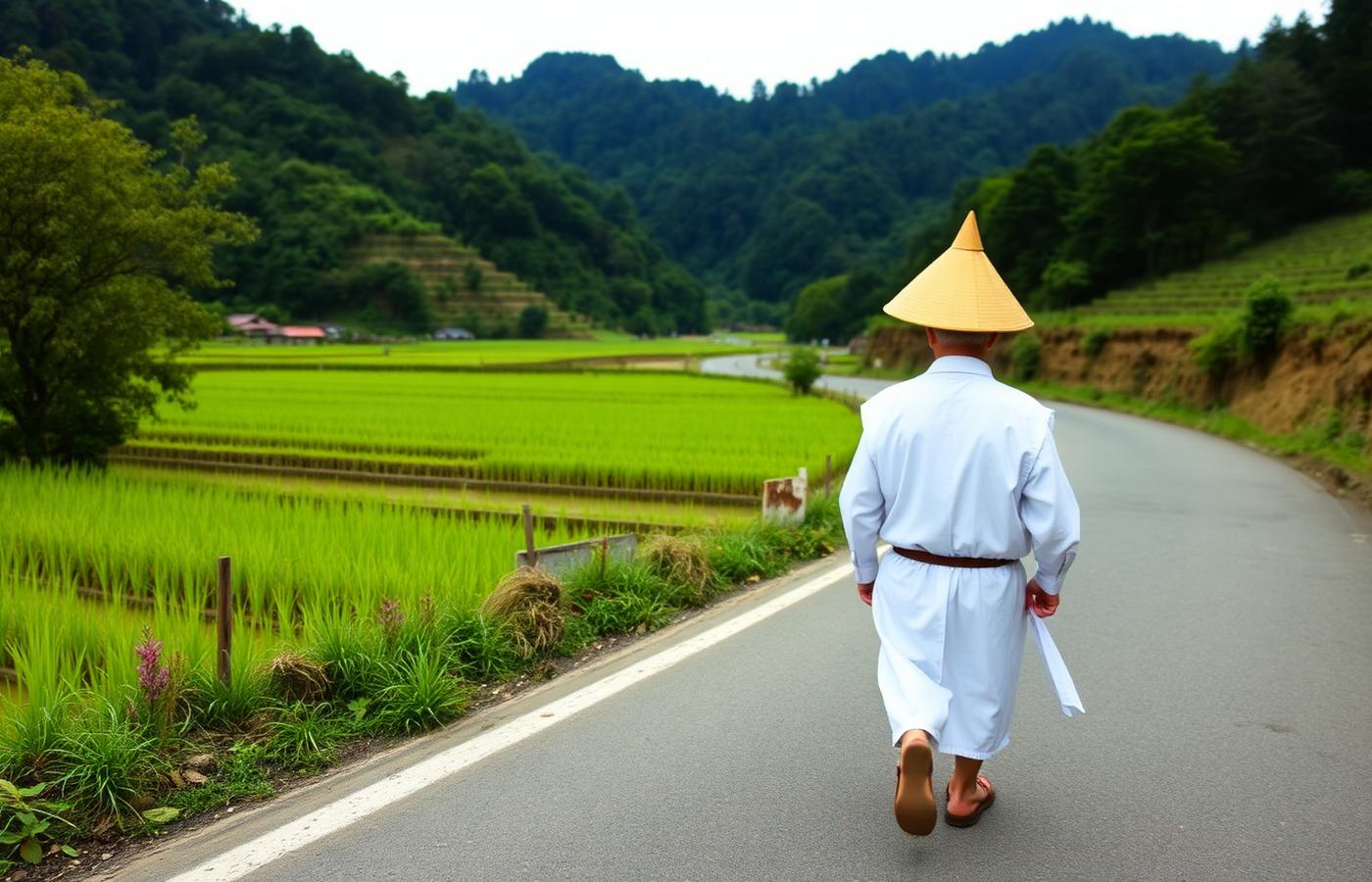
Twelve days walking part of the 88 temple route in Japan, sleeping in temple lodgings and free huts, on £41 a day including food.
Japan has a reputation for being expensive. The Shikoku pilgrimage is the cheapest way I have found to spend two weeks there, because the route comes with its own accommodation system and a walking culture that predates tourism by twelve centuries.
Twelve days, 18 temples, 190 kilometres on foot, £492 on the ground. Flights are separate.
What the route is
Eighty eight temples in a circle around Shikoku island, roughly 1,200 kilometres, traditionally walked in six weeks. Almost nobody has six weeks. Walking a section is normal and accepted, and temples treat section walkers exactly the same as full circuit pilgrims.
I walked temples 1 to 18, starting at Ryozenji near Bando station, a 90 minute train from Tokushima.
Where you sleep and what it costs
Four kinds of bed, in rising order of price.
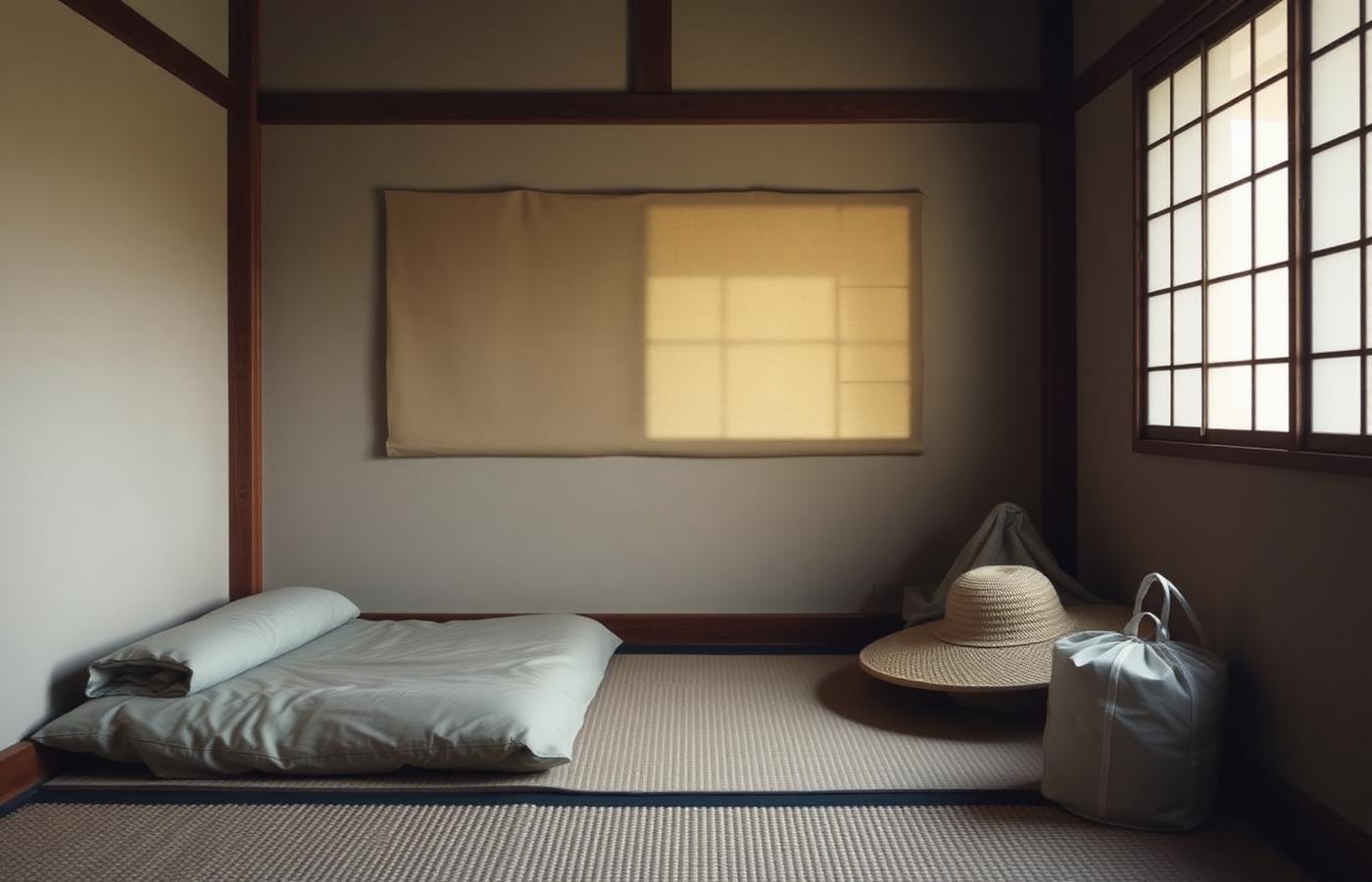
- Tsuyado, free pilgrim shelter at some temples. A room, a floor, sometimes a blanket. Ask at the temple office before 4pm.
- Zenkonyado and huts, free or a small donation. Some are shelters by the road, some are rooms in local houses offered by residents.
- Shukubo, temple lodging, £34 to £40 including dinner and breakfast. Vegetarian, served at a set time, and the best meal of the trip.
- Minshuku and business hotels, £28 to £36 for a private room with a bath.
I used five shukubo, four private rooms, two free nights and one campsite. Average across twelve days, £27 a night.
Booking, which is the hard part
Shukubo take phone reservations, in Japanese, usually the day before. Two ways round this:
- Ask the reception at tonight's lodging to phone tomorrow's for you. This is normal and they expect it.
- Use the Henro Michi guidebook map numbers and have a translation app open with the sentence written out.
Do not turn up unannounced after 5pm. Dinner is cooked to a count.
Food
Breakfast and dinner come with temple lodging. Lunch is konbini: onigiri at 90p, an egg sandwich at £1.60, a coffee at £1. Vending machines every few kilometres sell cold tea for 80p, which matters in August.
Budget £8 a day for food on top of lodging meals.
The daily rhythm
Up at 6am, breakfast at 6.30, walking by 7. Most days were 15 to 20 kilometres, finished by 2pm. The long day was temple 11 to temple 12, a 12 kilometre mountain crossing with 900 metres of climb that takes six hours and has no shops on it.
Temple etiquette is simple and worth doing properly: wash hands and mouth at the basin, bow at the gate, light a candle and incense, place your slip in the box, chant or stand quietly, then get your book stamped at the office for 300 yen.
What it costs to start
The pilgrim kit is optional but it changes how people treat you. A white vest is £9, the stamp book is £13, a bell is £4. Wearing the vest, three separate people handed me food and one drove me to a station in the rain. This is osettai, a gift given to pilgrims, and the correct response is to accept it and hand over a name slip.
Feet, knees and the honest bit
Twelve days of tarmac is hard on knees. Two thirds of the route is road, not trail. Trail runners with a rock plate worked better than boots. I skipped three sections by train, total £38, when a knee started complaining, and that decision saved the trip.
Pharmacies stock blister plasters and cooling patches everywhere. Bring your own painkillers if you rely on a specific one, and read the health notes in how to plan an international trip before you fly.
When to go
April and October. April brings blossom and full lodgings, so book earlier. October is dry, cool and quieter. Avoid August, when it is 34 degrees and humid, and avoid the September typhoon window if you can.
FAQs
How much does the Shikoku pilgrimage cost per day? About £41 a day walking, including lodging with two meals. Using free huts and konbini food drops it to about £22 a day.
Do you need to be religious to walk it? No. Temples welcome anyone who walks it respectfully. Follow the etiquette and nobody asks about your beliefs.
Can you walk part of the route? Yes. Sections of one to two weeks are common. Temples 1 to 23 in Tokushima make the best short section for a first attempt.
Do you need Japanese? Not to walk, but yes to book lodging by phone. Ask your current lodging to call ahead, and carry a translation app.
Is camping allowed? Wild camping is tolerated at some huts and rest areas but not on temple grounds unless you are offered a tsuyado. Campsites cost £2 to £6.
What should you carry? Under eight kilos. Two walking sets, one rest set, rain shell, first aid, a 1.5 litre water capacity and cash. Rural Shikoku is a cash economy and post office ATMs are the reliable ones.
If you are pricing other countries, see best countries to visit on a budget, and for a gentler first trip try best destinations for first time travellers. Other long walks and overland routes are in the dispatch index and pinned on the travel map. The newsletter sends one field note a month, and questions go through the contact page.
Getting to the start
Fly into Osaka Kansai, then a bus to Tokushima for £22 and about three hours, or the train via Okayama with a Japan Rail Pass if you already hold one. From Tokushima station, the local line to Bando takes 25 minutes and costs £2.60. Temple 1, Ryozenji, is a ten minute walk from the platform and sells the whole pilgrim kit at the shop inside.
The kit list that actually matters
- Trail runners with a rock plate, already broken in. Two thirds of this route is tarmac.
- Two pairs of merino socks, washed nightly.
- A rain shell and a pack cover. Shikoku is one of the wettest parts of Japan.
- Cash. Post office ATMs accept foreign cards; convenience store machines are the backup.
- The Shikoku Japan 88 Route Guide, the English book with the map numbers lodging owners recognise.
Sending your bag ahead
Takkyubin, the Japanese courier network, moves a bag between towns for about £10. Any convenience store handles it. Walking with five kilos instead of nine changes the second week completely, and most pilgrims doing long sections use it at least once.
Onsen and the evening routine
Most lodgings have a bath, and the order is fixed: wash and rinse fully outside the tub, then soak. Tattoos are still an issue in some public baths, less so in temple lodging. A small towel costs £2 and doubles as a flannel.
What the walk is really like
Long silent stretches on the shoulder of a road, then a stone gate and a courtyard with incense smoke. The hard part is not the climbs, it is the repetition of tarmac. The reward is a rhythm you settle into around day four, when you stop checking distance and start noticing the roadside stone markers that have pointed the way for four hundred years.