Price note:** All figures in this draft are hypothetical planning examples, not current quotes or receipts. Check live prices and exchange rates before.
Price note: All figures in this draft are hypothetical planning examples, not current quotes or receipts. Check live prices and exchange rates before publishing.
Georgia is consistently rated as one of the most affordable destinations for independent travellers in the Caucasus region. For those planning a trip in late 2026, the country remains a prime candidate for those following the advice in Best Countries to Visit on a Budget. However, rising global inflation and a growing tourism sector mean that the days of "negligible costs" are over. Budgeting now requires a tactical approach to transport, accommodation, and dining.
A solo traveller can expect a realistic daily spend of £35 to £50. This range covers a bed in a high quality hostel or a basic guesthouse, three meals involving local staples, and use of public transport. If you prefer private rooms and occasional guided tours, the daily figure rises toward £75.
The Foundation of a Georgia Budget
Before you book flights, understand that Georgia operates on the Lari (GEL). While many high end hotels list prices in Dollars or Euros, you will pay in Lari at the local exchange rate. When you Create a Travel Budget That Actually Works, you must account for the fluctuation of the Lari against the Pound.
Travel costs are generally split into three tiers:
1. Backpacker Tier (£25 to £35 per day): Stays in dormitories, cooking one meal a day, using marshrutkas (minibuses) for all intercity travel, and focusing on free activities like hiking. 2. Flashpacker Tier (£50 to £70 per day): Private rooms in guesthouses, eating out for every meal, occasional taxis, and paid entry to museums or botanical gardens. 3. Comfort Tier (£90+ per day): Boutique hotels, private drivers for mountain regions, and dining at trendy fusion restaurants in Tbilisi or Batumi.
Accommodation Logic: Guesthouses vs Hotels
Accommodation is your largest variable. In Tbilisi, the capital, prices are significantly higher than in regional towns like Kutaisi or Zugdidi. A smart way to Travel Cheap Without Sacrificing Comfort is to prioritise family run guesthouses. These often provide a more authentic experience than budget hotels and frequently include a substantial breakfast that can offset your lunch costs.
For a hypothetical planning example, if a guesthouse room costs 80 GEL and a hotel room costs 180 GEL, choosing the guesthouse over a ten day trip saves 1,000 GEL. At an illustrative exchange rate of 3.4 GEL to £1, that is a saving of roughly £294. Always check current live exchange rates and booking platform prices before setting your final budget.
Eating and Drinking on a Budget
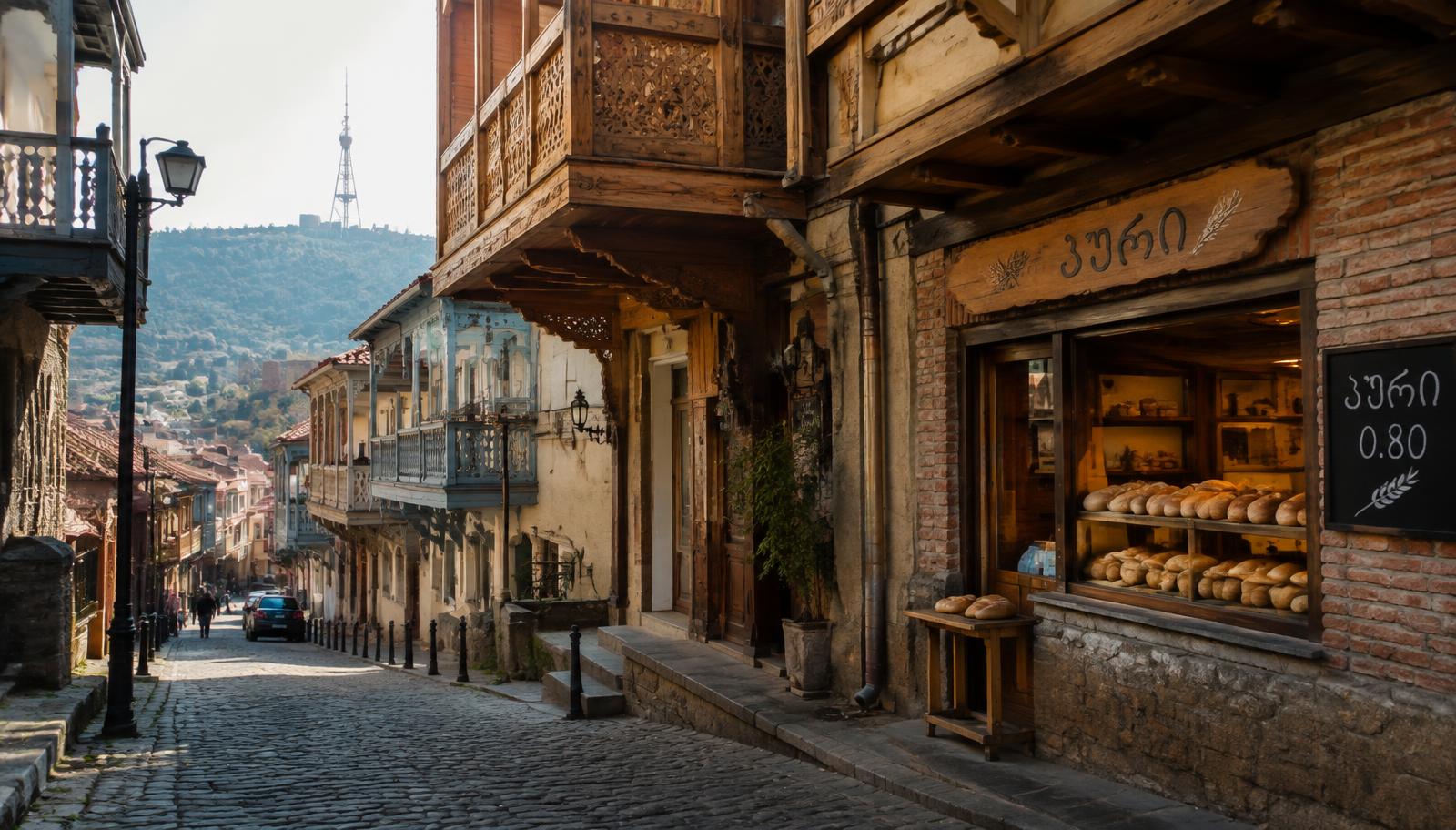
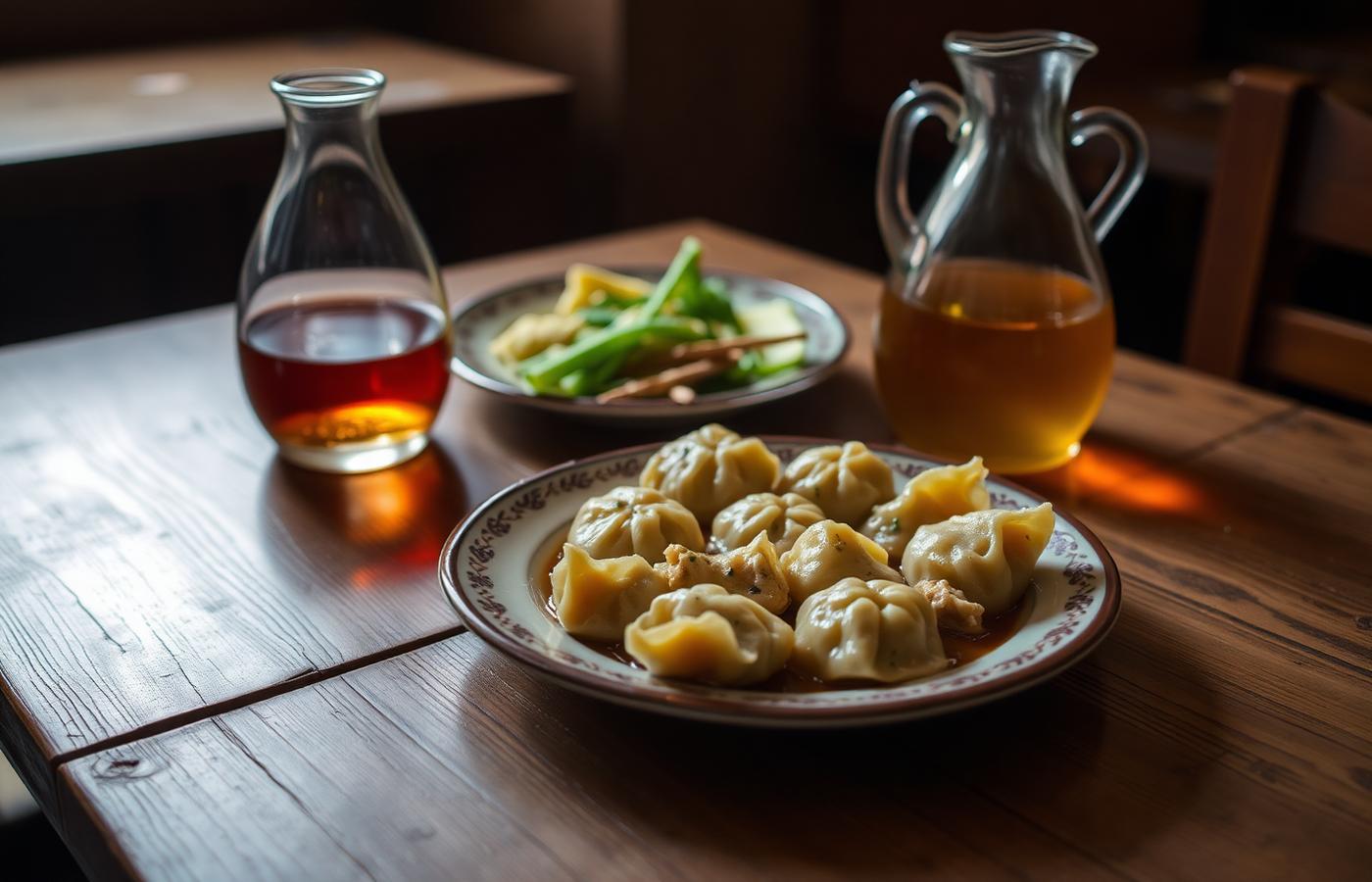
Georgian cuisine is filling and relatively inexpensive. The staple is Khachapuri (cheese filled bread), which is widely available at bakeries for a few Lari. A meal of Khinkali (meat or vegetable dumplings) is another cost effective choice, as these are usually priced per piece.
Dining in "Duqani" (traditional basement taverns) is typically cheaper than the modern cafes found in Tbilisi’s Vake or Sololaki districts. Wine is a significant part of the culture. While a bottle in a restaurant adds up, many guesthouses sell their own "house wine" by the litre for a fraction of the price.
Transport: The Marshrutka System
The backbone of Georgian travel is the marshrutka. These are white minibuses that connect almost every town and village. They do not have fixed timetables in the Western sense; they usually depart when full.
For longer distances, such as Tbilisi to Batumi, the modern Stadler train is a comfortable and affordable alternative if booked in advance. Avoid private taxis for long distances unless you are splitting the cost with three other people. Within Tbilisi, use the metro system or ride sharing apps, which provide upfront pricing and avoid the "tourist tax" sometimes applied in hailed street taxis.
Regional Cost Variations
Your location in Georgia dictates your spending power.
- Tbilisi: Expect to pay a premium for everything. However, the abundance of free walking tours and public parks balances the higher cost of coffee and cocktails.
- Kazbegi and Mestia: These mountain hubs are more expensive due to the logistics of getting goods up the mountains. Expect accommodation and food to be 20% to 30% higher than in the lowlands.
- Kutaisi: Often used as a transit point due to the budget airport, this city offers some of the best value for money in the country for food and lodging.
Hypothetical Budget Breakdown
To help you visualise your spending, consider this hypothetical daily breakdown for a mid range solo traveller:
- Accommodation: 90 GEL (Private room in a central guesthouse)
- Food: 60 GEL (Bakery breakfast, tavern lunch, and a nice dinner with a glass of wine)
- Transport: 15 GEL (Metro trips plus a portion of an intercity marshrutka ticket)
- Activities: 25 GEL (Entry fees for a museum or a cable car ride)
- Total: 190 GEL (Approximately £55)
You can use the Trip Cost Calculator to adjust these figures based on your specific travel style and duration.
Practical Tips for Saving Money
1. Travel in the Shoulder Season: October is an excellent time to visit. The summer crowds have dispersed, and accommodation rates often drop, yet the weather in the lowlands remains pleasant. 2. Use a Local SIM: Roaming charges for UK mobiles are high in Georgia. Buy a local SIM card at the airport or in the city for a few pounds; data packages are very cheap and essential for using ride sharing apps. 3. Drink Tap Water Wisely: In many parts of Georgia, tap water is safe, but this varies by building and region. Ask your host. Buying large 5 litre jugs from supermarkets is cheaper and more environmentally friendly than small bottles if you need to buy water. 4. Master the Metro: The Tbilisi Metro is fast and costs less than 50p per journey. You will need a Metromoney card, which can also be used on buses and the Rike-Narikala ropeway.
Health and Safety Context
Medical facilities in Tbilisi are generally good, but options are limited in rural areas. Before travelling, check the latest official UK government travel advice for Georgia regarding safety, entry requirements, and local laws.
Health note: This guide provides general travel information and is not medical advice. Always consult a qualified clinician or travel clinic at least eight weeks before your trip to discuss your specific needs. If you experience severe symptoms like high fever, persistent vomiting, or acute pain while abroad, seek urgent medical attention at a hospital.
Comprehensive travel insurance is essential. Ensure your policy covers medical evacuation from remote mountain areas if you plan on hiking. Be aware that many policies exclude high altitude trekking (usually above 2,500 or 3,000 metres) or "extreme" sports unless you pay an additional premium. Always read the full policy wording for exclusions.
Frequently Asked Questions
Is Georgia still cheap for UK travellers? Compared to Western Europe, yes. While prices have risen, your money goes significantly further. A hearty dinner that might cost £40 in London will often cost under £15 in Tbilisi. However, it is no longer the "ultra cheap" destination it was a decade ago.
Do I need to carry cash? Yes. While cards are widely accepted in Tbilisi and Batumi shops and restaurants, you will need cash for marshrutkas, small guesthouses, and mountain villages. ATMs are plentiful in cities but rare in the deep countryside.
What is the best way to get from the airport? From Tbilisi Airport, the 337 bus is the cheapest option. Ride sharing apps are the next best choice, offering a fixed price that is usually half of what airport taxi drivers quote. In Kutaisi, dedicated shuttle buses timed with flights are the most efficient way to reach the city or Tbilisi.
How much should I tip? A 10% to 15% service charge is often automatically added to restaurant bills in cities. If it is not included, a 10% tip is appreciated for good service. Tipping taxi drivers is not expected but rounding up the fare is common.
Summary Checklist for Planning
- Verify current visa requirements for British citizens on the Foreign, Commonwealth & Development Office (FCDO) website.
- Check the current GEL to GBP exchange rate.
- Download a ride sharing app and a translation app with an offline Georgian pack.
- Use the Packing List Generator to ensure you have layers for the mountain weather.
- Read the detailed breakdown in Three Weeks in Georgia on £30 a Day for a deeper look at long term travel logistics.
Georgia offers a unique blend of ancient culture and rugged landscapes that remains accessible to budget conscious travellers. By choosing guesthouses, using local transport, and eating at traditional taverns, you can experience the best of the country without overspending.
***
Full daily cost breakdown in GEL and GBP
This table uses the daily breakdown already given in this guide. The GBP figures use the guide's illustrative rate of 3.4 GEL to £1, and the total matches the guide's figure of approximately £55 a day. Use it as a planning example, and check live prices and exchange rates before you book.
| Cost line | GEL per day | GBP per day | What it covers |
|---|---|---|---|
| Bed | 90 GEL | About £26 | A private room in a central guesthouse |
| Food | 60 GEL | About £18 | A bakery breakfast, a tavern lunch, and a nice dinner with a glass of wine |
| Transport | 15 GEL | About £4 | Metro trips plus a portion of an intercity marshrutka ticket |
| Activities | 25 GEL | About £7 | Entry fees for a museum or a cable car ride |
| Total | 190 GEL | Approximately £55 | One mid range solo day in Georgia |
Read this table with the regional notes in this guide. Tbilisi costs more than regional towns, Kazbegi and Mestia cost more because of the logistics of getting goods to mountain hubs, and guesthouse house wine by the litre costs a fraction of a restaurant bottle in the wine country.
For three weeks, multiply the daily total. At the guide's £35 to £50 solo range, three weeks is £735 to £1,050. At the 190 GEL breakdown total, three weeks is 3,990 GEL, or about £1,155 at approximately £55 a day.