
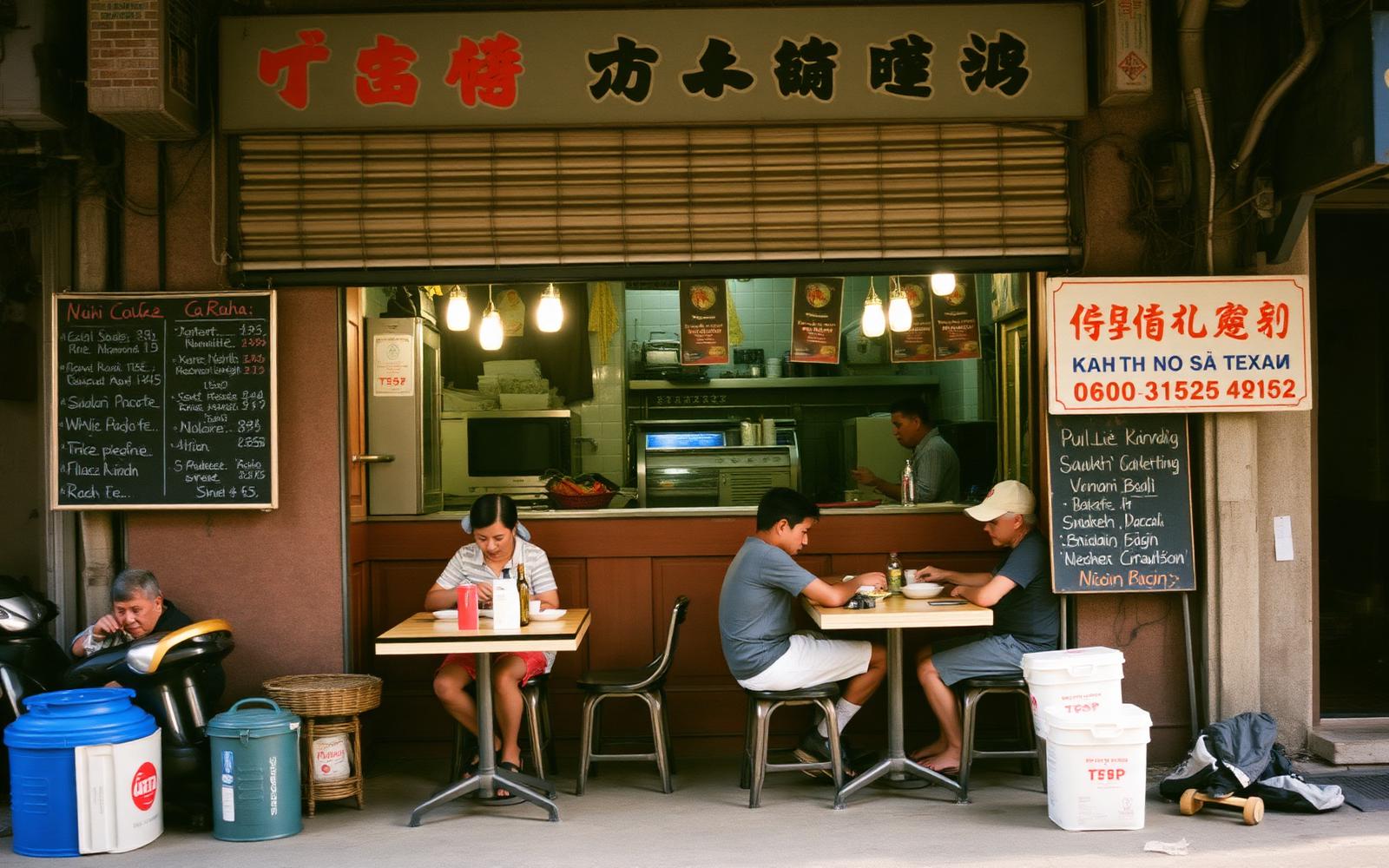
A repeatable method for finding authentic food while travelling in any city, using maps, timing, menus and one question that works everywhere.
Every city has two food economies. One is built for visitors, with photographs on the menu and a man outside inviting you in. The other feeds the people who live there. They often sit on the same street, thirty metres apart, and the second one is usually half the price and twice as good.
Here is the method I use to find the second one within a few hours of arriving anywhere.
Walk away from the sight
The rule of thumb across dozens of cities is eight hundred metres. Prices fall and quality rises as soon as you are that far from the cathedral, the mosque, the main square or the beach promenade.
Draw a circle on the map around the thing everyone comes to see, then eat outside it. In Lisbon that means Graca instead of Baixa. In Istanbul, Kadikoy instead of Sultanahmet. In Rome, Testaccio instead of the Pantheon.
Read the menu before you read the reviews
Four warning signs on a menu, and any one of them is enough to keep walking. Photographs of every dish. Translation into four or more languages. More than about thirty items, which means a freezer. Dishes from three different countries.
Four good signs. A short menu. A handwritten daily board. A menu only in the local language. No menu at all, just what was cooked today.
Use maps properly
Search the local word for the dish, not the English word. Search taqueria not taco, lokanta not restaurant, com binh dan not rice, trattoria not Italian food.
Sort reviews by newest and read the ones written in the local language, translated. Locals complain about the things locals care about. Visitors complain about air conditioning.
Ignore the score above about 4.3 and look at review count instead. A place with 4.2 and eight hundred reviews from locals is a better bet than 4.8 with sixty reviews from tourists.
Eat at local hours
This is the single biggest correction most visitors need. Spanish lunch is 14:00. Turkish breakfast runs to 11:00. Vietnamese pho is breakfast, not dinner. Mexican tacos al pastor are properly eaten after 22:00.
Turn up at the local hour and two things happen. The food is fresh and the room is full of the people you were looking for.
Start at the market
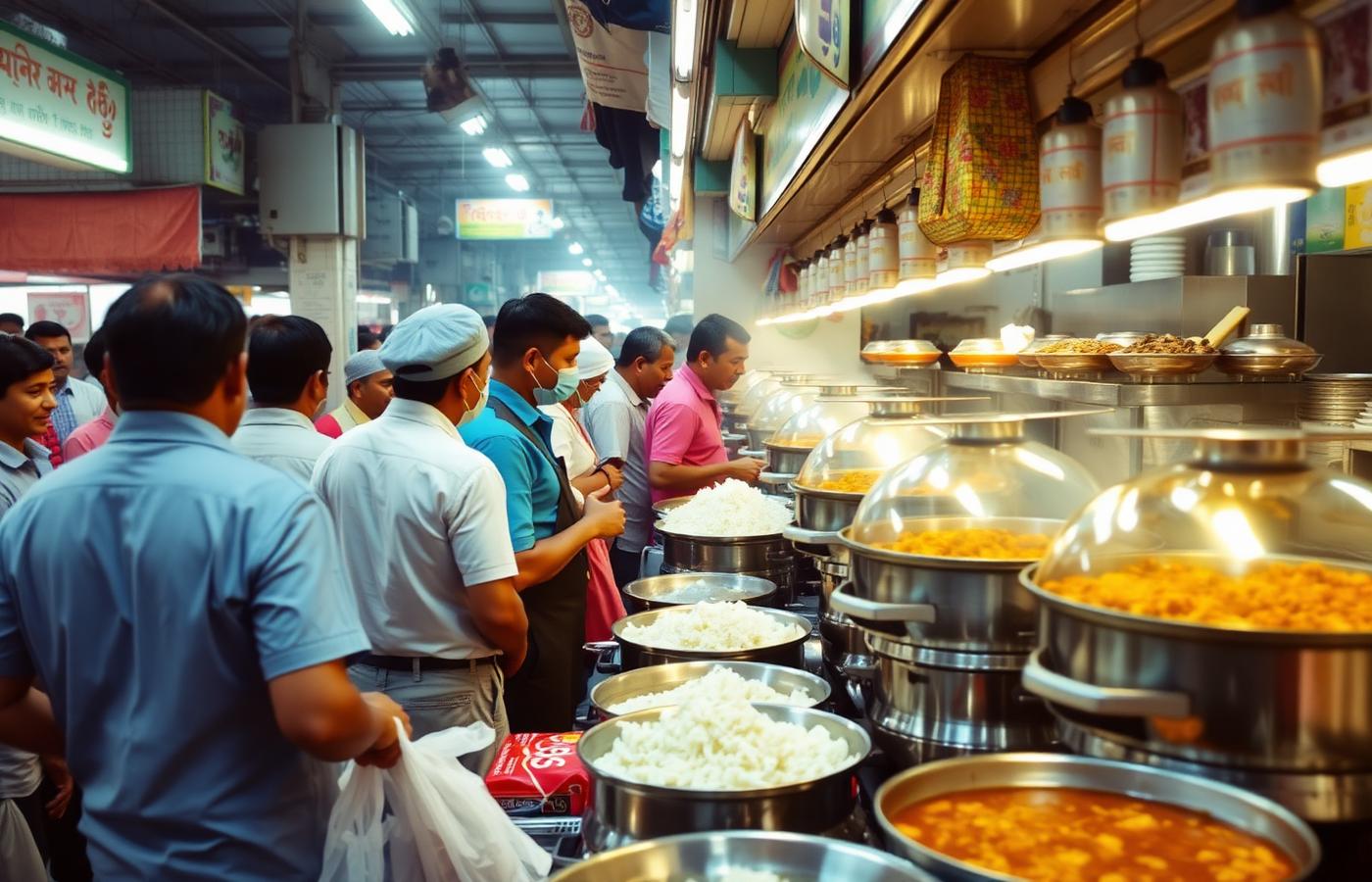
Go to the produce market at 09:00 on any day except Monday. Two things there tell you what to order all week. What is piled high and cheap is in season. What the cooked food counters at the back are selling is what people actually eat.
Market stalls also feed the traders, and trader food is cheap, fast and correct. In Turkey it is soup. In Mexico it is a comida corrida for £2.50. In Vietnam it is a plate of rice with three toppings for 80p.
Ask a better question
Do not ask where should I eat. You will be sent somewhere polite and safe.
Ask instead, where do you eat lunch on a work day. Ask a shopkeeper, a pharmacist, a hotel cleaner rather than the receptionist, or a taxi driver. The answer is nearly always a place with no sign and a queue.
If you speak twenty words of the language, this question is the best one to learn. It also opens conversations that go well beyond food.
Follow the specialists
A place that sells one dish has made it thousands of times. A place that sells forty has a microwave.
This is true everywhere. The pho shop that only does pho. The pintxo bar known for one thing. The bakery that sells out of one pastry by 10:00 and closes.
Trust the queue at the right time
A queue at 13:00 is a recommendation. A queue at 16:30 is a coach tour. Check the clock before you join.
What authentic actually means
It does not mean old, poor or difficult. It means the place exists because local people keep it alive, not because visitors found it. A modern restaurant full of locals is more authentic than a rustic one full of tourists.
Being sceptical of the word is healthy. What you are really looking for is somewhere that would still be there next year if no visitor ever walked in.
The receipt
Four days of eating in Hanoi using this method, one person, five small meals a day. Total £47.
Reading a neighbourhood in ten minutes
Stand on a corner at lunchtime and count. If most of the people carrying takeaway bags are locals in work clothes, the food nearby is priced for locals. If the tables outside are full of people with day bags and cameras, you are in the tourist band and prices are usually 40 to 70 percent higher for the same dish.
Two more tells. Look at the bins behind restaurants in the morning, because crates of fresh produce mean cooking on site and boxes of catering packs mean reheating. Then look at opening hours. A place that closes between three and seven in the afternoon is cooking to a local schedule. A place that serves continuously from eleven until midnight is built for people passing through.
Set meals, markets and eating alone
The single best value meal in most countries is the fixed lunch. Menu del dia in Spain runs 12 to 15 pounds for three courses with wine. Pranzo di lavoro in Italy sits near 12. Turkey's esnaf lokantasi feeds you two dishes with bread for about 4. Vietnam's com binh dan plate costs 1.50. These exist because people who work nearby need to eat, which is exactly the crowd you want to be sitting with.
Eating alone is easier at counters and markets than at tables, so take a book, sit at the bar, and order what the person next to you is having. Ask staff what they eat after their shift rather than what they recommend, since the second question gets you the safe answer and the first gets you the real one. If you want the wider costs mapped out, the travel budget planner shows how food fits the daily rate.
Frequently asked questions
How do I find good food without any language skills? Point at what someone else is eating. It works in every country and people enjoy being asked.
Are food tours worth the money? One on the first or second day, yes. It gives you the vocabulary and the neighbourhood, and you spend the rest of the trip using both.
What if I have allergies? Carry a card written in the local language by a native speaker, not a translation app. Guesthouse staff will usually write one for you.
Is expensive food ever the better choice? Occasionally, for regional specialities that take time and skill, such as mole in Oaxaca or a proper multi course meal in Japan. Budget one of those per trip.
How do I avoid tourist traps completely? You will not, and one is not a disaster. Just do not eat two meals in a row within sight of a monument.
Do reservations matter? Only in Italy, Spain, France and Japan for dinner. Elsewhere the good places do not take them.
Use this alongside the best food destinations in the world, famous street foods around the world and the money method in budget travel tips that keep the comfort.
Hungry for more? See famous street foods around the world and the best countries for food tourism.