
Which countries reward a trip built entirely around eating, judged on daily food cost, regional variety and how easy it is to eat well without booking.
Food tourism has a marketing problem. Every country claims world class cuisine. Very few make it easy and affordable for a visitor to eat the way locals eat, every day, for two weeks.
I judge a country on four things. What a normal meal costs. How much the food changes between regions. Whether the good places take walk ins. And whether the season matters. Here are the countries that score highest.
Turkey
Daily food budget: £16 to £22.
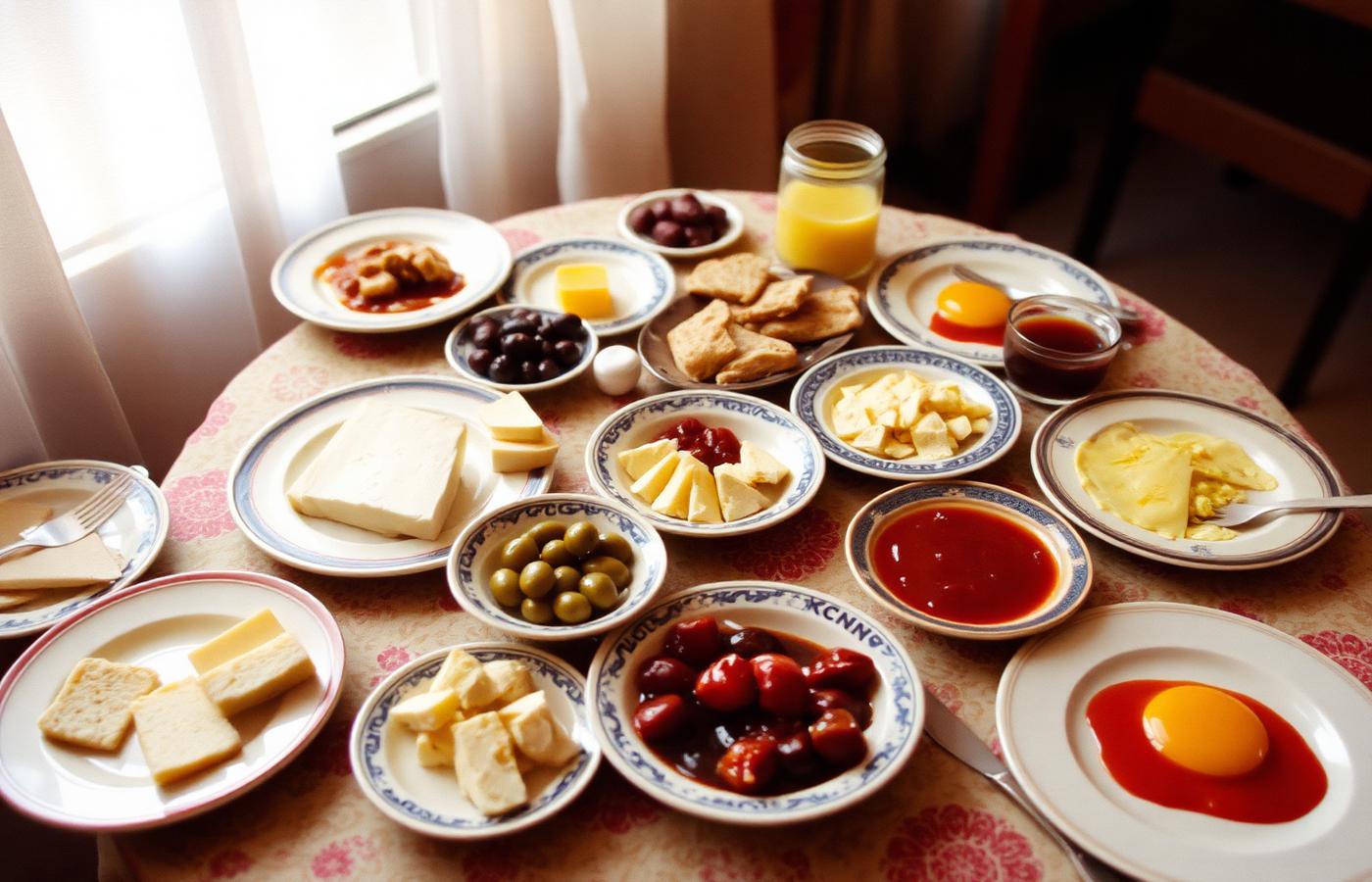
No country gives more for the money. Breakfast alone is worth the flight. The south east around Gaziantep and Adana cooks with pepper, pistachio and lamb and tastes nothing like the Aegean coast, which is olive oil, herbs and fish.
An esnaf lokantasi lunch, meaning the tradesman's canteen, is two hot dishes with rice for about £4.50. Kebab in Adana at a proper ocakbasi is £7. Baklava by weight in Gaziantep is £4 for 250 grams of the best in the world.
Vietnam
Daily food budget: £7 to £11.
Three distinct cuisines in one country. The north is subtle and broth led, the centre around Hue is spicy and imperial, the south is sweet and herb heavy. Nothing needs booking and almost nothing costs more than £2.
Italy
Daily food budget: £28 to £40.
Italy wins on regional variety more than price. Twenty regions cook differently and defend it. Emilia Romagna for pasta and cured meat, Sicily for street food and citrus, Piedmont for truffles and wine, Naples for pizza that ruins all other pizza.
Eat the lunch menu at midday and the price drops by a third.
Japan
Daily food budget: £20 to £34.
Cheaper than its reputation if you avoid sushi counters. Standing soba shops, ramen counters, department store basements at 19:00 when everything is discounted, and convenience store food that is genuinely good. The trip in the Shikoku pilgrimage on a budget covers eating in rural Japan for very little.
Mexico
Daily food budget: £9 to £16.
Regional variety on a par with Italy and prices on a par with Vietnam. Oaxaca for mole and mezcal, Yucatan for cochinita pibil, Mexico City for everything at once. The full mezcal side is in Oaxaca for mezcal, not Instagram.
Georgia
Daily food budget: £11 to £18.
An eight thousand year wine culture and a table tradition where a shared meal is the social unit. Khinkali, khachapuri, walnut sauces and pickled everything. Detailed prices are in three weeks in Georgia.
Spain
Daily food budget: £22 to £34.
The menu del dia is the best value formal lunch in Europe, three courses with bread and a drink for €12 to €15. The Basque country turns bar snacks into a sport, and Andalusia still serves free tapas with a drink in some cities.
Thailand
Daily food budget: £7 to £12.
The most consistent street food on earth, and regional cooking that most visitors never reach. The north east cooks Isaan food with fermented fish and sticky rice, which is nothing like the coconut curries of the south.
India
Daily food budget: £5 to £10.
The greatest vegetarian cooking anywhere, and a different cuisine every few hundred kilometres. A thali in a working restaurant is £1.50 and comes with refills.
Peru
Daily food budget: £12 to £20.
Coastal ceviche, Andean potatoes in hundreds of varieties, Chinese and Japanese influence in Lima. The menu ejecutivo lunch is £3.50 in most cities.
How to plan a food trip
Pick one country and two regions inside it. Food travel punishes speed, because a market and a lunch and a producer visit fill a day on their own.
Go in harvest season where it matters. Autumn for Italy and Georgia, spring for Japan, dry season for Southeast Asia.
Book one cooking class in the first three days. It teaches you the ingredient names, which changes every meal afterwards.
Keep a note of dishes you liked with the local spelling. That list is what you order for the rest of the trip.
Budget the way it is set out in how to create a travel budget that works, with food as its own line rather than folded into daily spending.
The receipt
Seven days of eating in Turkey across Istanbul and Gaziantep, one person, including two long breakfasts and a baklava habit. Total £152, or £22 a day.
Costs by country, side by side
Numbers move fast, so treat these as a starting point checked in 2026. In Vietnam a full lunch of pho with tea runs about 1.60 pounds and a sit down dinner for two with beer lands near 9 pounds. In Georgia a plate of khinkali plus salad and wine comes to roughly 7 pounds a head. Turkey sits close to that, with a full breakfast spread for two at 11 pounds and a kebab lunch at 3 pounds. Mexico is cheap on the street and mid priced in restaurants, so five tacos and an agua fresca cost 3 pounds while a proper Oaxacan dinner is 14 pounds. India is the outlier on value, with a thali that feeds you properly for 1.20 pounds in most cities.
Then the step up. Spain runs about 22 pounds a day if you eat menu del dia at lunch and pintxos at night. Italy sits near 28 pounds a day outside Rome and Venice. Japan surprises people because lunch is cheap, with a bowl of ramen at 5 pounds, while dinner with drinks jumps to 20 pounds or more. If food is the point of the trip, pair one expensive country with one cheap one and the average holds. There is more on that balancing act in the guide to countries that stay cheap.
When to go for the food, not the weather
Food travel rewards shoulder season twice over. Prices drop, tables open, and most of the produce worth flying for is seasonal anyway. Truffle season in Piedmont runs October to December. Basque cider houses open their doors from January to April. Cherry blossom season in Japan pushes hotel prices up, so go in November for hairy crab and hotpot instead. In Turkey the fish season starts in September, and in Vietnam the north is at its best from October to April when the humidity drops and the noodle stalls sit outside again.
Book one thing in advance and leave the rest open. A single market tour or a cooking class on day two gives you names, prices and a shopping list, and everything after that gets easier. Keep the rest of the week free so you can follow whatever the class teacher told you to eat.
Frequently asked questions
Which country is best for food tourism on a small budget? Vietnam, India and Thailand, where £10 a day covers three excellent meals.
Is food tourism only about restaurants? No. Markets, producers, cooking classes and home stays give more per pound than restaurants do.
Do I need to book anything? In Italy, Spain and Japan book dinner. In Turkey, Mexico, Vietnam and India walk in.
What about dietary restrictions? India, Turkey and Italy are straightforward for vegetarians. Vegan is hardest in Georgia and Japan, though Buddhist temple food in Japan is entirely plant based.
How long should a food trip be? Ten to fourteen days in one country with two bases. Any faster and you eat at stations.
Which country surprised me most? Turkey, by a distance. It gives Italy variety at Vietnam prices.
Every country listed here is pinned on the travel map, and the practical eating method is in how to find authentic local food while travelling.