
Japan Tourist Taxes in 2026: Kyoto Hotel Tax, Departure Tax and Fuji Fees Explained
The short answer
Japan tourist taxes in 2026 add a modest but real layer to your trip budget, and most of the cost lands in three places: the Kyoto accommodation tax, which rose steeply in March 2026, the Japan departure tax, now ¥3,000 per person, and the Mount Fuji climbing fee of ¥4,000. You do not pay a single tourist tax at the border when you arrive. Instead, small charges appear on hotel bills, in onsen towns, and at the Fuji trailheads, and knowing them in advance stops them feeling like surprises.
I planned a Japan trip the way I plan every budget trip, by adding up the costs nobody puts in the headline price. Tourist taxes sat in that quiet pile for years. In 2026 they matter more, because Kyoto changed its rates, the departure tax went up, and Fuji now charges every climber. None of these charges should put you off Japan. Together they add roughly the price of a nice dinner to a two week trip for most travellers, but only if you budget for them.
Key points
- Kyoto accommodation tax now runs from a few hundred yen to ¥10,000 per person per night at the top tier, based on the room rate.
- Japan departure tax is ¥3,000 per person, usually built into your flight ticket.
- Climbing Mount Fuji costs ¥4,000 per person, with a daily cap on climber numbers.
- Consumption tax of 10 percent already sits inside most prices you see, so you rarely pay it separately.
- Tax free shopping can claw some money back if you spend over the threshold in participating shops.
Kyoto hotel tax: what changed in March 2026
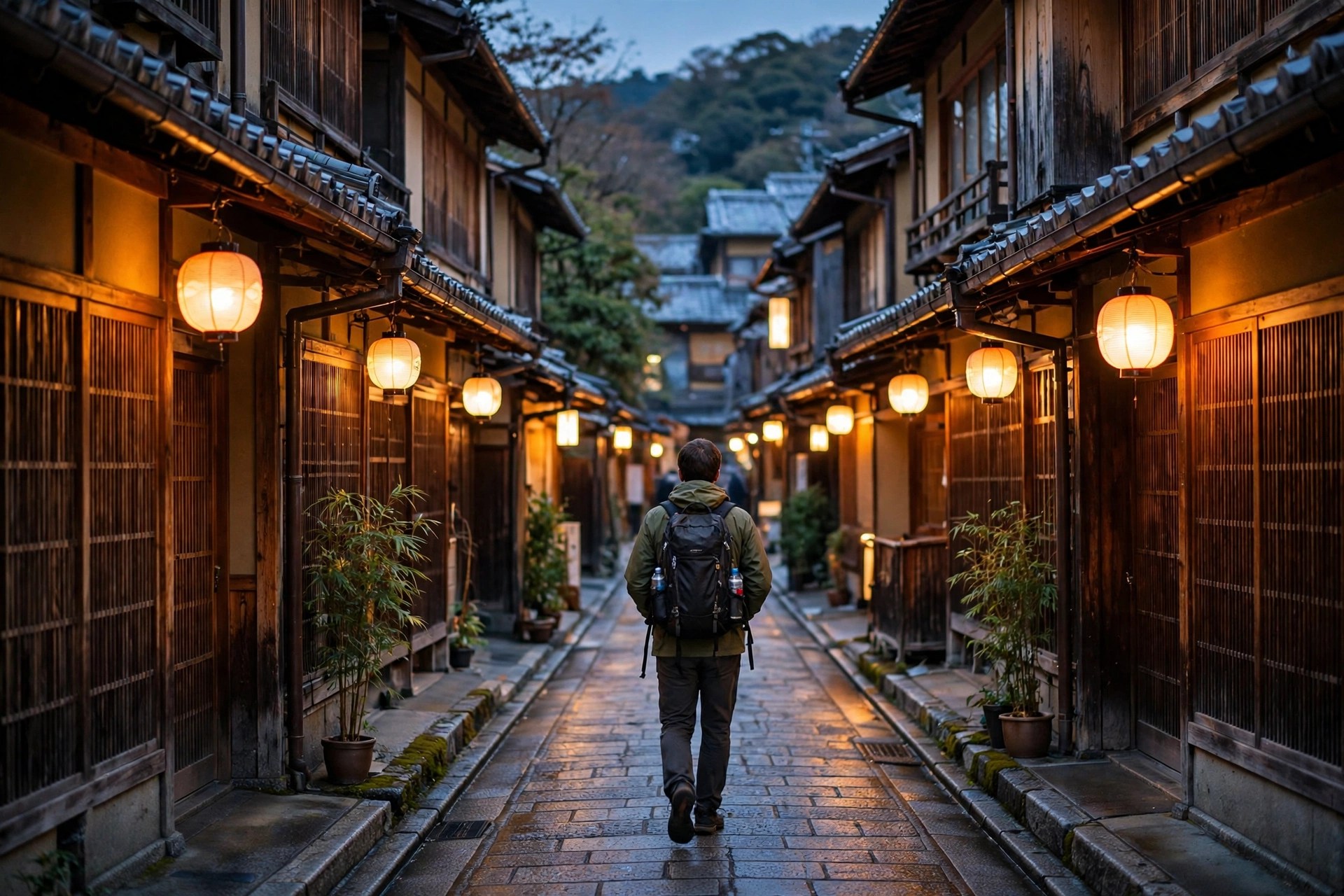
Kyoto runs the most talked about hotel tax in Japan, and March 2026 brought the steepest version yet. The city charges an accommodation tax per person per night, and the amount depends on what you pay for the room. A typical mid range room attracts around ¥400 per person per night. At the very top end, in luxury hotels where the room rate is high, the charge reaches ¥10,000 per person per night.
That top figure sounds alarming, but it only bites if you book luxury rooms. Most budget travellers stay well below it. A hostel bed or a simple business hotel room keeps the nightly tax small, often a few hundred yen. A family of four in a mid range hotel should still budget a few thousand yen across a Kyoto stay, and that amount deserves a line in your budget sheet.
Practical tip: check whether your booking site shows the tax separately. Some sites show it at checkout, others leave it for the hotel to collect on arrival. Ask the hotel at check in if you are unsure, so you do not meet the charge as a surprise on your final bill.
Japan departure tax: the ¥3,000 you barely notice
Japan charges a departure tax of ¥3,000 per person when you leave the country by air or sea. In practice, airlines build it into the ticket price, so you rarely hand over cash at the airport. Check your ticket breakdown if you want proof, because the charge usually appears as a tax line among the other fees.
The departure tax applies to almost everyone leaving Japan, including visitors and residents, with only narrow exemptions for young children and some transit passengers. Budget for it as part of your flight cost rather than as spending money, and you will never feel it.
Mount Fuji climbing fee: ¥4,000 and a daily cap
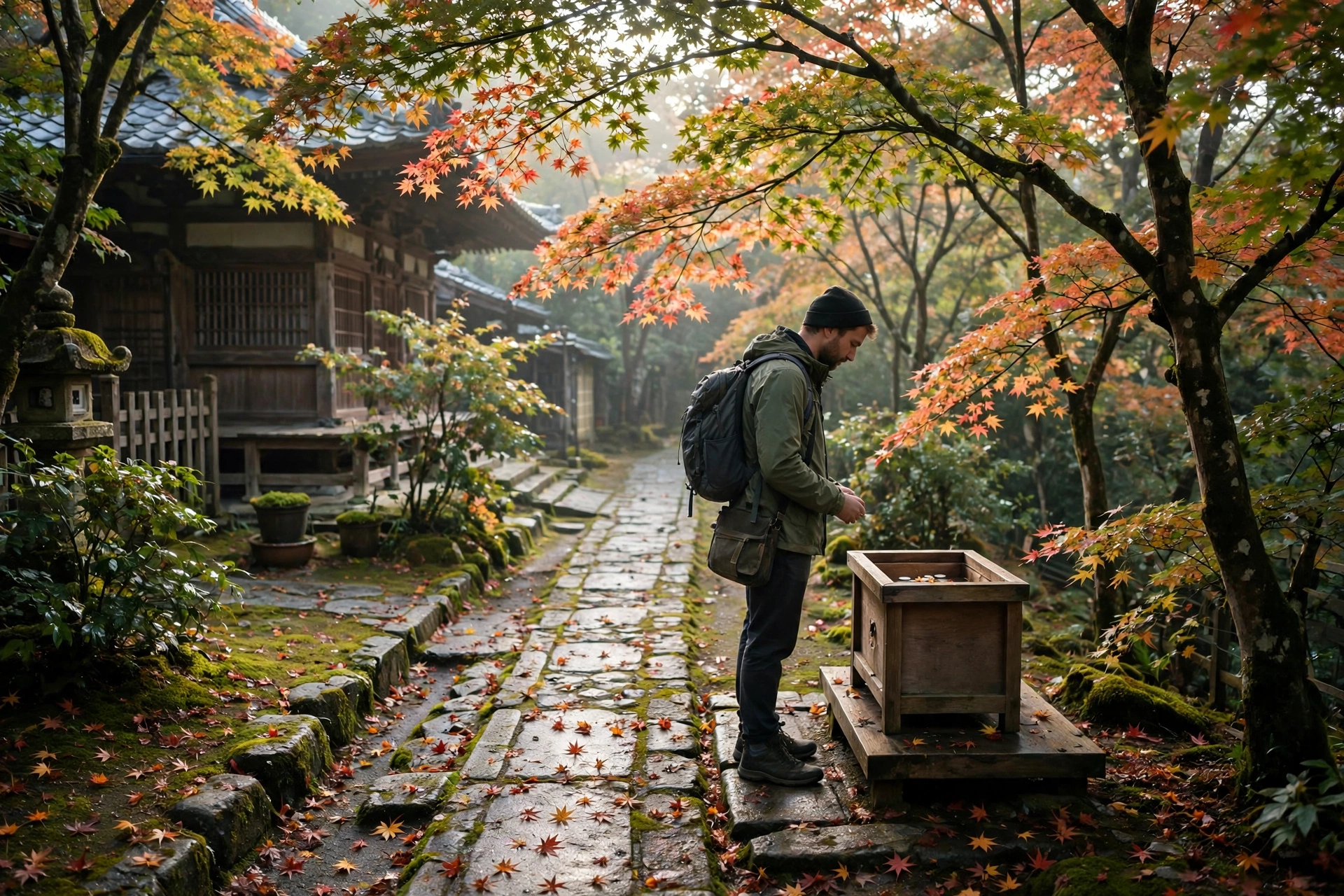
Mount Fuji climbing now costs ¥4,000 per person. The fee applies to the main climbing season trails, and authorities cap daily climber numbers on the most popular route. Paying the fee does not just buy access. It funds trail maintenance, mountain huts, rescue readiness, and the crowd controls that keep the mountain safer and cleaner than it was in the overtourism years.
Plan Fuji like a budget item with a date attached. Book your climb slot early in peak season, because the daily cap can sell out on summer weekends. Bring cash or a card that works at the trailhead, and keep the receipt with your climbing pass. If you climb outside the official season, check the rules first, because conditions and access change and the fee system may work differently.
Other Japan tourist taxes worth knowing
| Charge | What it costs in 2026 | How you pay it |
|---|---|---|
| Kyoto accommodation tax | Around ¥400 per person per night for a typical mid range room, up to ¥10,000 at the top tier | Added to your hotel bill |
| Japan departure tax | ¥3,000 per person | Built into your flight or ferry ticket |
| Mount Fuji climbing fee | ¥4,000 per person | Paid at the trailhead or when you book |
| Onsen bathing tax | Often around ¥150 per person per day where charged | Added to your ryokan or onsen bill |
| Consumption tax | 10 percent on most goods and services, 8 percent on takeaway food | Included in the shelf or menu price |
How much should you actually budget
A realistic tax budget for a two week Japan trip looks like this for one person. A mid range Kyoto stay of four nights adds roughly ¥1,600 in accommodation tax. The departure tax adds ¥3,000. A Fuji climb adds ¥4,000 if you do it. Onsen taxes and other city hotel taxes might add another ¥1,000 to ¥2,000 across the trip. That gives a total of roughly ¥9,600 to ¥10,600, or about £50 to £55 at typical 2026 rates, before you count the consumption tax already inside your prices.
To keep the total down, mix your stays. Spend a few nights in Kyoto, then move to cheaper bases where hotel taxes are lower or absent. Choose business hotels over luxury hotels unless the splurge genuinely matters to you. And remember that tax free shopping offsets part of the bill if you buy souvenirs, electronics, or cosmetics in participating shops and spend over the threshold.
Tax free shopping: the refund side of the story
Visitors to Japan can shop tax free in many department stores, electronics shops, and drugstores. Spend over the threshold in a participating shop, show your passport, and the shop removes the consumption tax at the till or refunds it at a tax free counter. The threshold and the exact process vary by shop, so ask at the counter before you pay.
How to plan around Japan tourist taxes
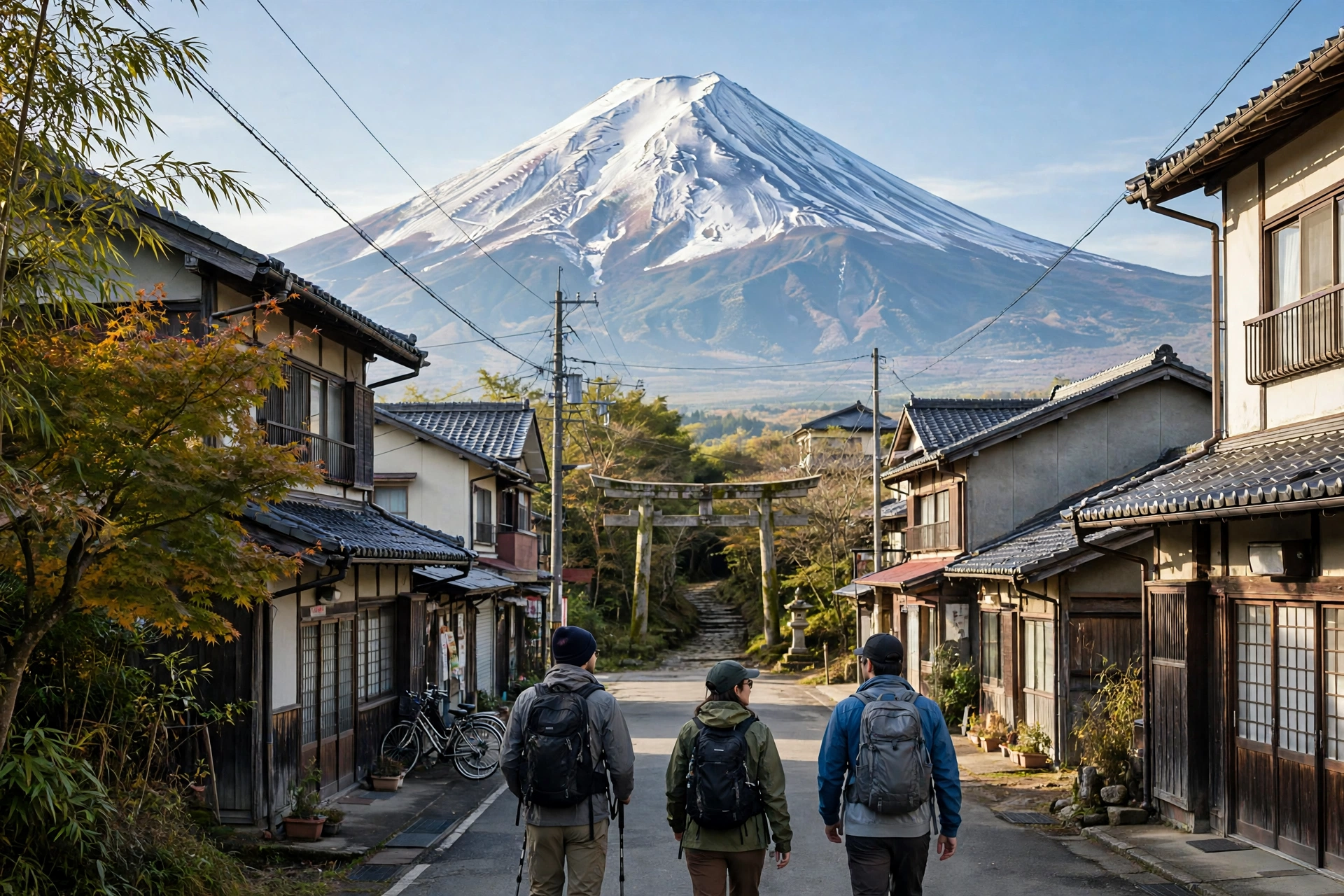
Start with your hotel list. For each stay, note the city, the room rate, and whether the city charges an accommodation tax. Add a tax estimate to each night, using ¥400 per person per night for Kyoto mid range rooms as your anchor and lower figures elsewhere. Add ¥3,000 for departure tax and ¥4,000 if you plan to climb Fuji. Put the total in your trip budget before you book anything else, so the taxes never feel like extras.
Use the site's travel budget calculator to build the full Japan budget around these figures, and read the Shikoku pilgrimage budget if your trip reaches regional Japan, because its older budget tables now need the same 2026 tax updates. For official visitor information, see Japan National Tourism Organization.
Finally, keep perspective. Japan remains superb value for what you get: safe streets, superb trains, incredible food at every price, and free or cheap sights in every city.
Frequently asked questions
Do I pay a tourist tax when I arrive in Japan?
No. Japan has no arrival tourist tax for visitors. Charges appear on hotel bills, at onsen resorts, at Fuji trailheads, and inside your departure ticket price.
How much is the Kyoto hotel tax in 2026?
Kyoto charges per person per night based on the room rate. A typical mid range room attracts around ¥400 per person per night, and the top tier reaches ¥10,000 per person per night in luxury hotels.
Is the Japan departure tax included in my flight ticket?
Usually yes. Airlines build the ¥3,000 departure tax into the ticket price, so you rarely pay it separately at the airport. Check your ticket tax breakdown to confirm.
How much does it cost to climb Mount Fuji in 2026?
Climbing Mount Fuji costs ¥4,000 per person in the official season, and daily climber numbers are capped on the most popular route. Book early in peak season.
Can tourists get tax free shopping in Japan?
Yes. Visitors can shop tax free in participating shops by spending over the threshold and showing a passport. The shop removes the consumption tax at the till or refunds it at a tax free counter.
Do other Japanese cities charge hotel tax besides Kyoto?
- Yes. Tokyo and Osaka run their own accommodation taxes, at lower rates than the new Kyoto top tier. Budget a small per night tax line for each city stay, not just Kyoto.