The short answer
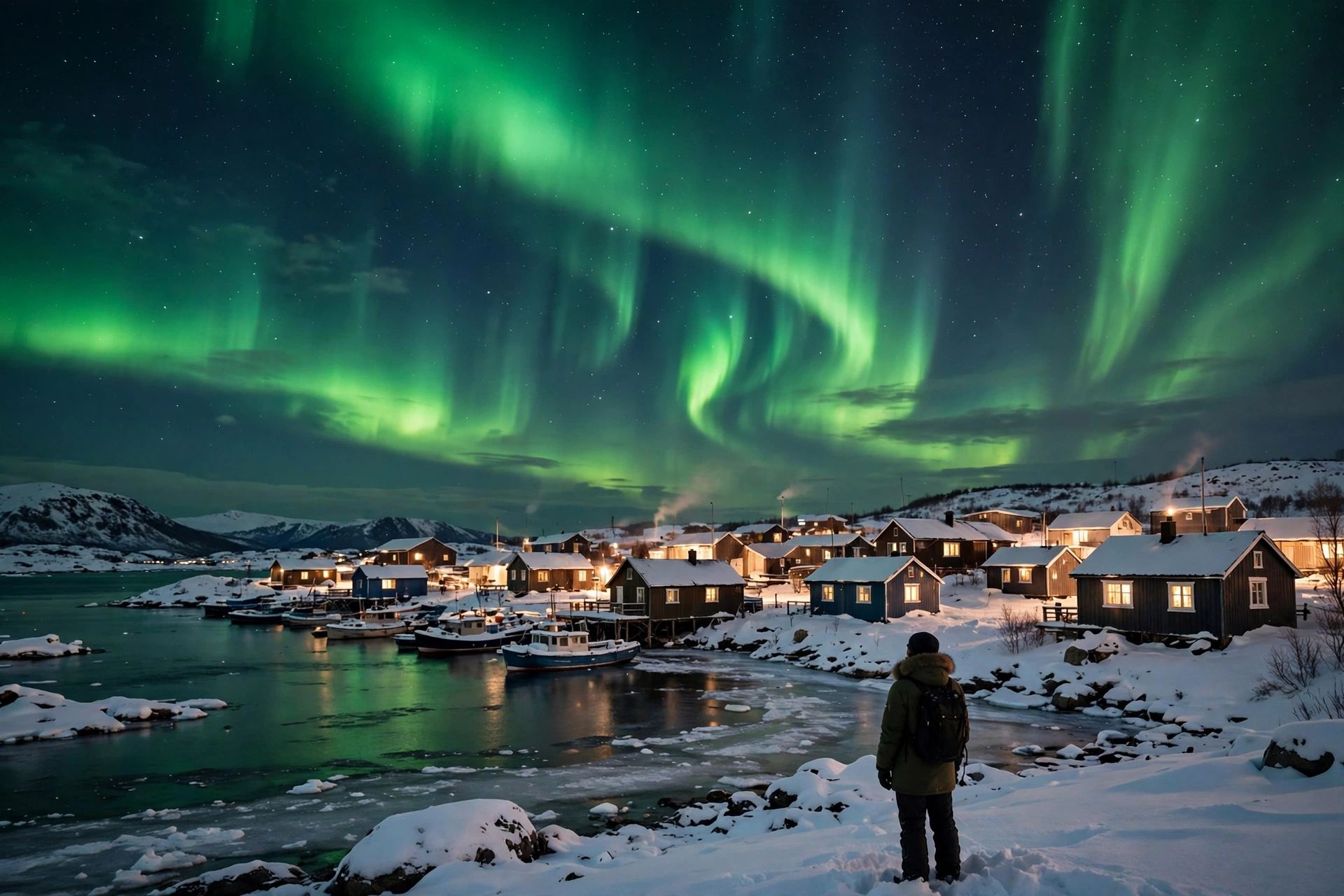
The cheapest way to see the northern lights is a short, self guided trip to Finnish Lapland or northern Norway in January or February, with a budget flight, a hostel bed, and aurora hunting on foot instead of a paid tour. You do not need a luxury lodge or a week away. You need dark skies, clear weather, patience, and a plan that keeps flights and beds cheap.
Key points
- The 2026 to 2027 season sits inside a strong aurora window, so your odds beat a quiet solar year.
- Finnish Lapland and northern Norway give the best mix of cheap UK flights, dark skies, and low cost beds.
- A three night budget trip can cost roughly £450 to £650 all in, if you book early and skip the tour.
- Free forecast apps and a short bus ride replace a £100 plus aurora tour on most nights.
- January and February beat December on price and darkness, and midweek beats weekends.
Why this winter is the one to go
Aurora activity follows the sun. Solar maximum arrived in October 2024, and activity stays elevated through this winter before it slowly declines toward the early 2030s minimum. That does not guarantee lights on any single night, but strong displays happen more often now, and they reach further south than usual. A huge Kp 9 storm in January 2026 pushed the aurora over Arizona and the Alps, which shows how active this cycle has been. For a budget traveller, that means a short three night stay carries less risk than it would in a quiet year. Cloud remains the real enemy, but the solar side is firmly in your favour.
The cheapest places to see the northern lights
Iceland has cheap flights but pricey beds and food. Remote lodges in Norway look magical and cost a fortune. The sweet spot is a small Arctic town with a budget flight route, hostels, supermarkets, and dark skies a short walk or bus ride away.
| Destination | Why it works | Rough return flight | Hostel bed per night |
|---|---|---|---|
| Tromso, Norway | Budget flights, city hostels, dark skies close by | £90 to £180 | £45 to £70 |
| Rovaniemi, Finland | Direct winter flights, good hostels, easy bus escapes | £100 to £200 | £40 to £65 |
| Abisko, Sweden | Some of the clearest skies in Lapland | £150 to £250 via Kiruna | £35 to £60 |
| Kiruna, Sweden | Cheaper than Abisko, same sky | £150 to £250 | £35 to £60 |
| Reykjavik, Iceland | Very cheap flights, but beds and food cost more | £70 to £150 | £50 to £85 |
My pick for a first cheap trip is Tromso or Rovaniemi. Both have the flight links, the beds, and the infrastructure that let you hunt the lights without a car or a guide. Before you book, run your numbers through the trip cost calculator and see what a three night stay really adds up to.
What a budget aurora trip actually costs
Prices below assume a three night trip from the UK in January or February, booked a few weeks ahead, with a hostel bed and supermarket food.
| Cost | Budget estimate |
|---|---|
| Return flight | £90 to £200 |
| Hostel bed, three nights | £120 to £210 |
| Food, mostly supermarket plus one cheap hot meal a day | £90 to £150 |
| Local buses and airport transfer | £30 to £60 |
| Warm layers you own, plus hired overalls if needed | £0 to £40 |
| Total for three nights | £330 to £660 |
The biggest saving is the tour you do not book. A guided aurora chase often costs £100 or more per person per night, and many tours cancel or return empty handed on cloudy nights anyway. On a clear night in Tromso or Rovaniemi, you can walk to a dark spot or take a local bus and see the same sky for a bus ticket. Save the tour money for a second night, which buys you another chance at clear skies. Food is the second leak: a hostel kitchen turns a £25 restaurant meal into a £6 home cooked dinner. Buy breakfast and sandwich supplies on arrival, carry a flask of hot tea, and keep one restaurant meal as a treat. If you are counting down to departure, the holiday countdown tool tracks the wait for free.
When to go for the best odds and lowest prices
The season runs from September to March, but not every month treats a budget traveller equally. September and early October bring lower prices, but the weather is unsettled and nights are still short. December looks festive and costs the most, with Christmas week flights and beds at peak prices. January and February are the sweet spot: long dark nights, deep winter cold that often brings clearer skies, and prices that drop sharply after New Year. March gives milder cold and late season displays, but nights shorten fast.
Within any month, pick nights around the new moon. A bright full moon washes out faint aurora. Check the moon phase before you book, then check the cloud forecast every evening of your trip, because cloud ruins more hunts than weak solar activity ever does. Midweek trips help too: flights and beds cost less from Tuesday to Thursday.
How to chase the lights without paying for a tour
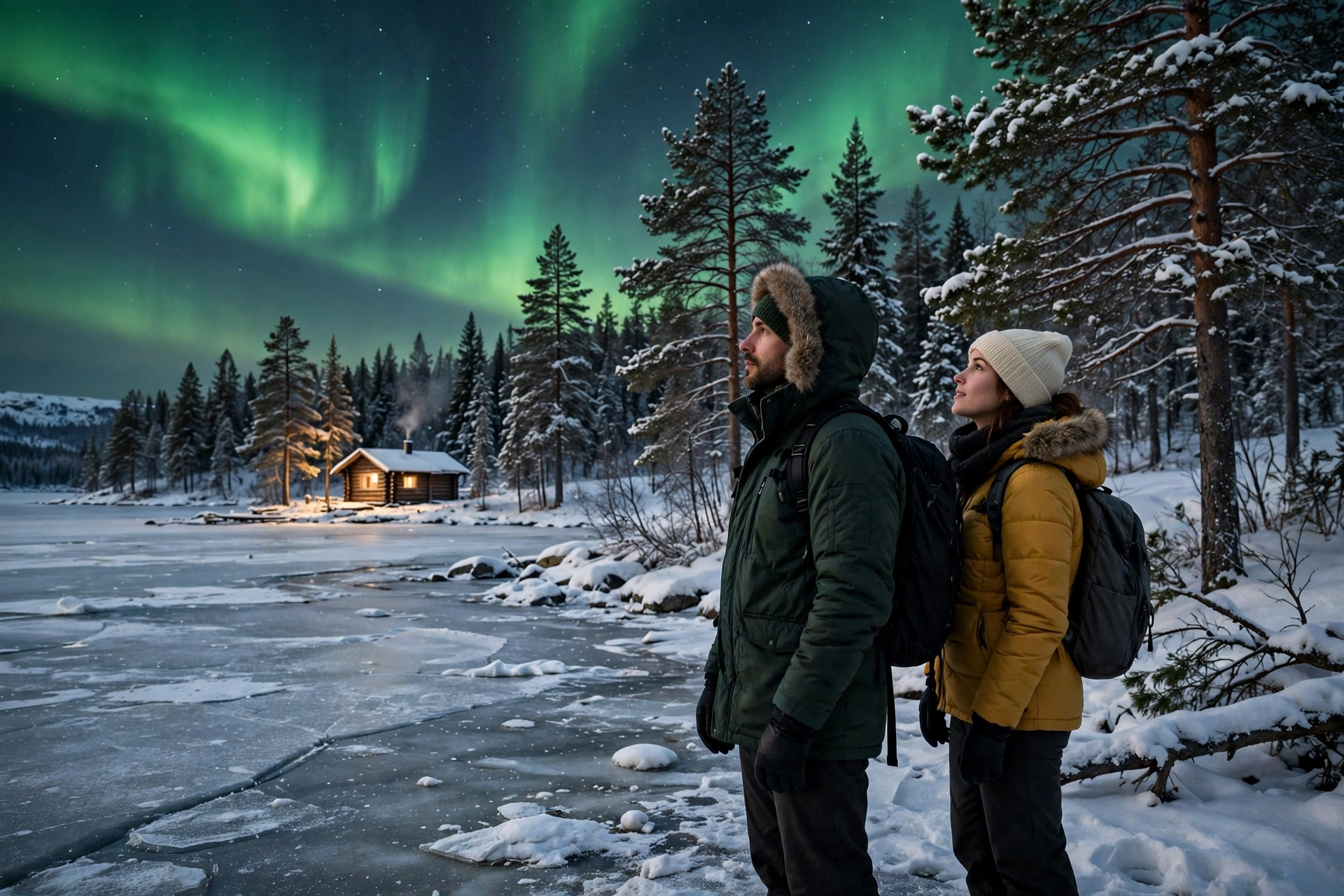
You need three things: darkness, clear sky, and a forecast that says activity is likely.
Start with the forecast. The NOAA Space Weather Prediction Center publishes a free aurora forecast that shows expected activity over the next 30 to 60 minutes, and free phone apps mirror it with alerts for your location. Check it in the evening, because it updates through the day. A Kp index of 3 or higher can produce a visible display in Lapland, and a Kp of 5 or higher usually means a strong show.
Next, escape the town light. In Tromso, walk or bus away from the harbour lights toward the darker shoreline. In Rovaniemi, take a local bus a few stops out of the centre. You do not need total wilderness, just a spot where street lights do not dominate the sky and you can see north over a dark horizon.
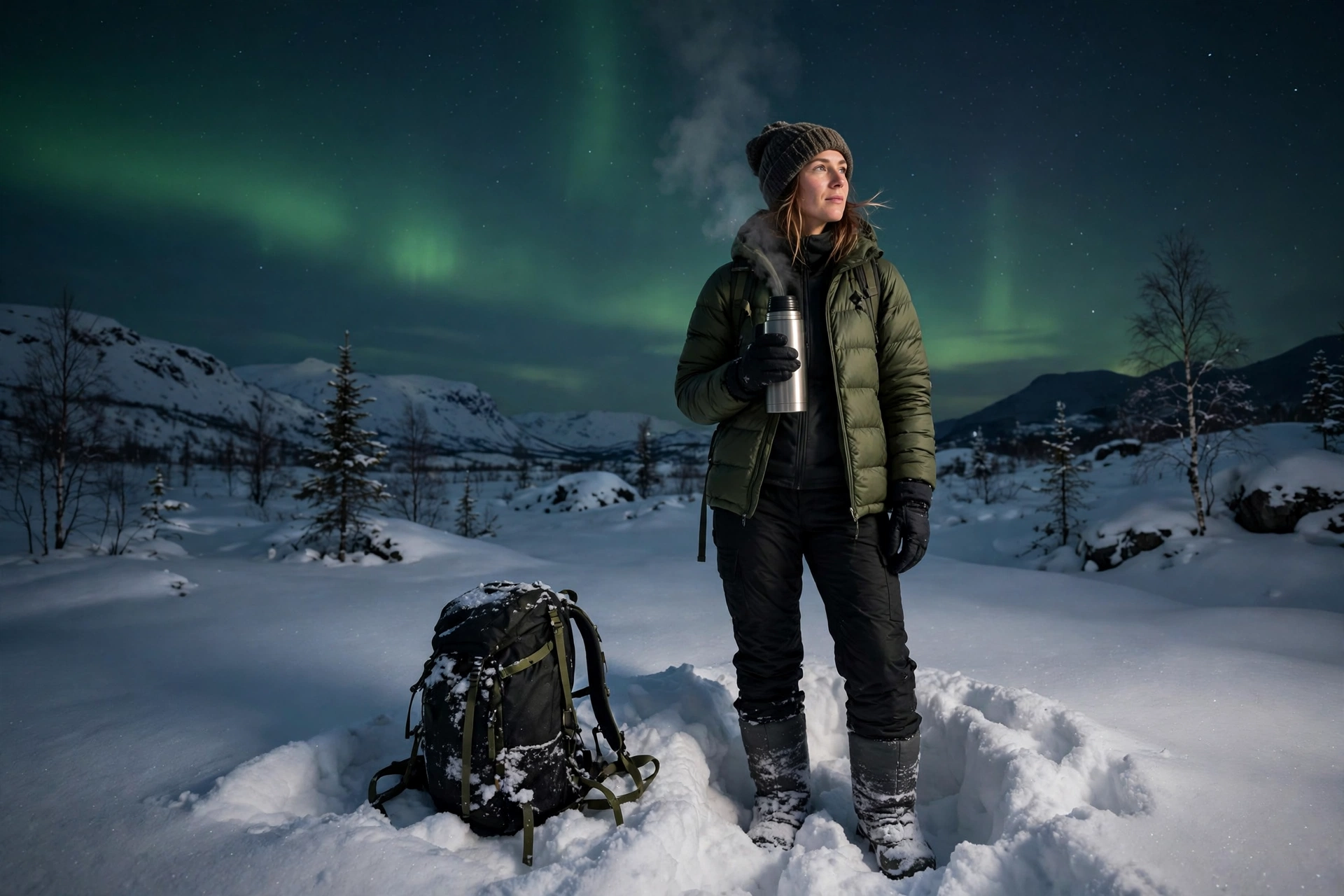
Then wait, warm and patient. Displays come in bursts, often between 9pm and 2am, with quiet gaps that fool people into going back inside too early. Dress warmer than you think you need, bring a flask and a charged phone, and if cloud rolls in, go back to bed and try again the next night. Solo travellers often ask whether hunting alone feels safe: Arctic towns are small, well lit in the centre, and used to winter visitors. Stick to paths, tell your hostel where you are heading, and keep your phone charged. My guide to solo female travel covers the wider habits that make solo nights out feel easy.
What to pack so the cold does not ruin the night
Cold ends more aurora watches than boredom does. Temperatures of minus 10 to minus 20 degrees Celsius are normal, and standing still in that cold bites fast. Pack in layers: a thermal base layer, a fleece or wool mid layer, and a windproof outer layer. Add two pairs of socks, insulated boots, proper gloves plus thin liner gloves so you can work your phone camera, and a hat that covers your ears. Bring hand warmers, a flask, and a power bank, because cold drains phone batteries fast. Keep the phone in an inside pocket between photos. If you do not own a proper Arctic coat, many hostels rent thermal overalls cheaply.
Common mistakes that waste money
Do not book a tour for every night. One guided night can make sense if you have no idea where to go, but three guided nights can cost more than your flight. Learn the bus routes on day one and hunt on your own after that. Do not stay under bright town centre lights and wonder why the sky looks empty: walk fifteen minutes, or take one bus stop further than feels necessary, and the sky changes completely. Do not check only the aurora forecast and ignore cloud, because a strong Kp forecast means nothing under thick cloud. Check both forecasts every evening. Finally, do not overpack the itinerary. Dog sledding and ice hotels are wonderful and expensive, so pick one paid experience if your budget allows it and let the aurora be the free headline act. The same honest costing works across budget trips: my Albania on a budget guide uses real receipts the same way.
A sample three night budget itinerary
Day one: arrive, buy supermarket supplies, learn the bus route to your dark spot, and take a first evening watch if the sky is clear. Day two: explore the town in daylight, rest in the afternoon, then head out for a longer watch after 9pm. Day three: use the clearest forecast night for your main watch and enjoy one cheap local meal as a reward. That shape builds in two or three chances at the lights instead of betting everything on one night.
Frequently asked questions
What is the cheapest way to see the northern lights from the UK?
Fly on a budget route to Tromso or Rovaniemi, stay in a hostel, eat mostly supermarket food, and hunt on foot or by local bus instead of booking a tour. Book early, travel midweek in January or February, and give yourself three nights.
When is the best time to see the northern lights in 2026 to 2027?
January and February offer the best mix of long dark nights, lower prices after Christmas, and strong solar activity. September and March can also work, but January and February give the most darkness per pound.
Do I need a tour to see the northern lights?
No. In Tromso, Rovaniemi, and Kiruna you can reach dark skies on foot or by local bus. Free forecast apps and a cloud check give you the same information a guide uses to pick a spot.
How many nights should I stay for a good chance?
Three nights is the minimum I recommend, and four nights is better if your budget stretches. Cloud is the main risk, and extra nights are the only reliable way to beat it.
Can you see the northern lights from Scotland on a budget?
Yes, on strong activity nights the aurora sometimes reaches northern Scotland, and that trip costs far less than Lapland. It is a bonus, not a plan, because displays that far south are rarer and weaker.
What should I wear for aurora hunting?
Wear thermal base layers, a fleece or wool mid layer, a windproof coat, insulated boots, two pairs of socks, proper gloves with liner gloves underneath, and a warm hat. Bring hand warmers, a flask of hot tea, and a power bank.