
Health note**: This guide provides general information for educational purposes and does not constitute medical advice, diagnosis, or treatment. Always.
Health note: This guide provides general information for educational purposes and does not constitute medical advice, diagnosis, or treatment. Always speak to a clinician or qualified healthcare professional regarding symptoms or medication.
If you are currently sitting on a bathroom floor in a foreign hostel, here is the immediate answer: stop eating, sip water or oral rehydration salts slowly, and monitor your temperature. Most cases of travel-related gastroenteritis resolve within 24 to 48 hours with rest. However, if you experience high fever, bloody stools, or persistent vomiting that prevents fluid intake, you must seek local medical assistance immediately.
The Reality of Dining Abroad
Food poisoning is the most common disruptor for solo and budget travellers. When you move between ecosystems, your digestive tract encounters unfamiliar bacteria, viruses, and parasites. While the goal is always to avoid getting sick on vacation, reality often intervenes. Dealing with illness alone in a strange city is a test of character, but having a systematic plan reduces the panic.
Managing this situation requires a clear distinction between a "bad stomach" that needs a day of rest and a clinical emergency. For UK travellers, the Foreign, Commonwealth & Development Office (FCDO) provides specific health links for every country, which should be your first port of call for locating reputable hospitals.
The Immediate 24-Hour Protocol
The first six hours are usually the most volatile. Your body is attempting to expel a pathogen. The most frequent mistake travellers make is trying to stop this process too early with anti-motility medication. Unless you absolutely must board a long-haul flight or bus, letting the illness run its course for a few hours is often more effective.
Hydration is the Only Priority
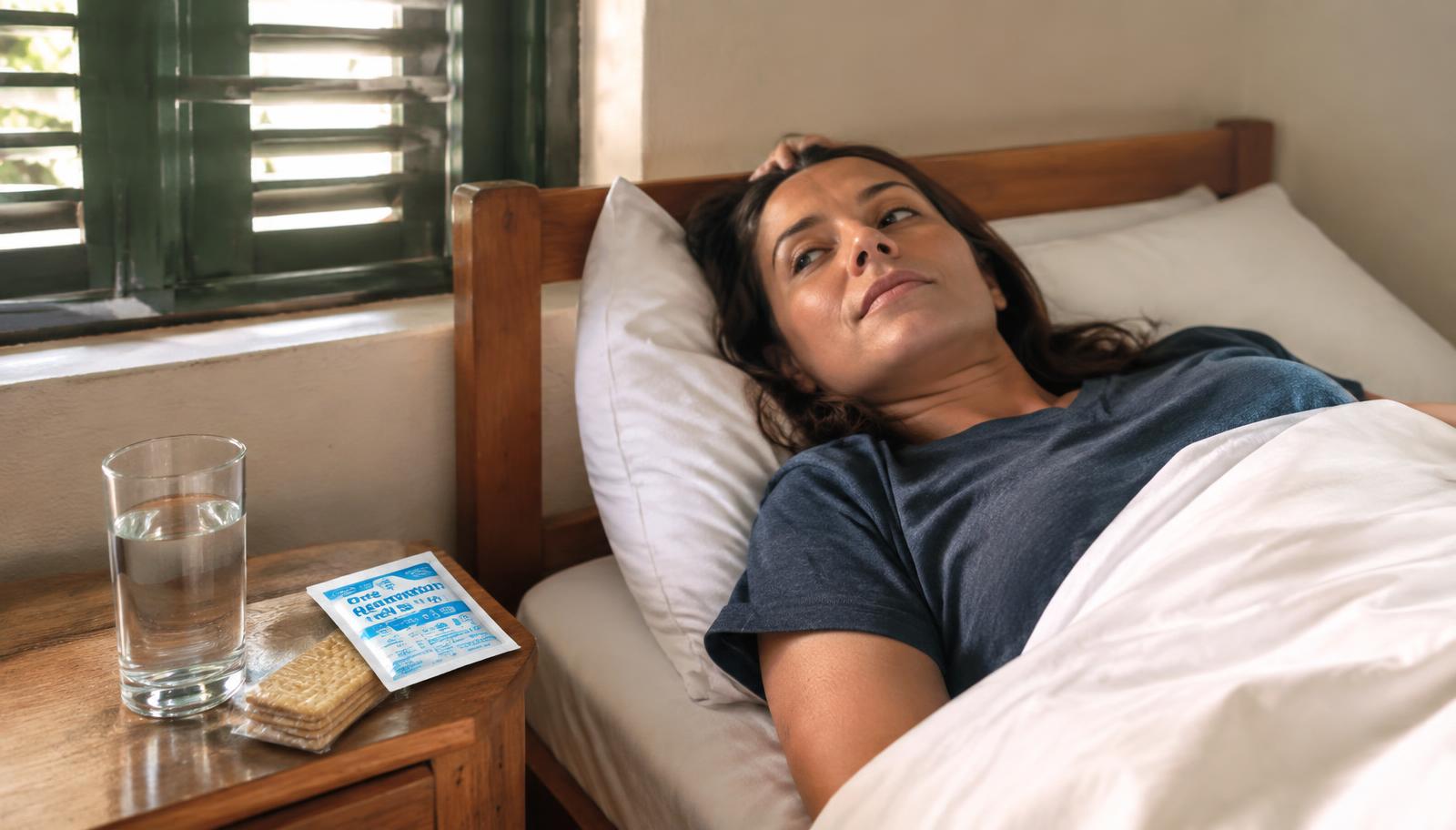
Dehydration is what leads to hospitalisation, not the bacteria itself. You need more than just tap water, which might be the source of your problems anyway. Use bottled water or boiled water to mix oral rehydration salts (ORS). These sachets contain the precise ratio of salts and sugars required to help your intestines absorb moisture.
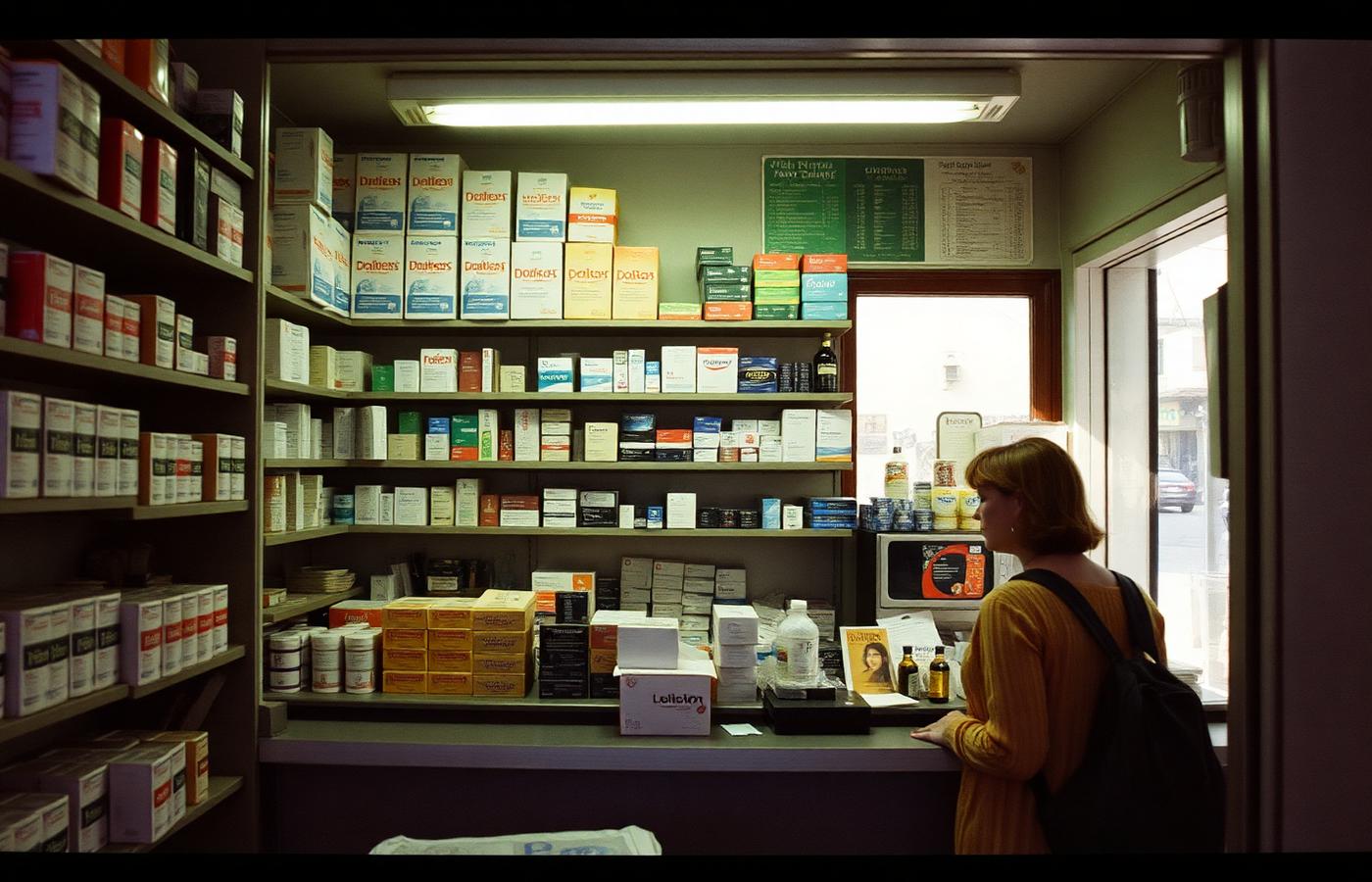
If you did not use a packing list generator to include ORS in your kit, you can often find them at local pharmacies. When purchasing, look for international brands or ask for "oral rehydration salts." If you are in a remote area, a DIY solution involves six level teaspoons of sugar and a half teaspoon of salt dissolved in one litre of safe water, though commercial sachets are significantly more reliable for electrolyte balance.
Rest and Temperature Control
Solo travellers often feel a "productivity guilt" when they lose a day of sightseeing. Ignore it. Pushing yourself through a museum while nauseous will only extend your recovery time. Keep a log of when you last drank water and when you last used the toilet. This information is vital if you eventually need to see a doctor.
When to Seek a Clinician
Most food poisoning is self-limiting. However, you must seek professional medical help if you experience:
- Signs of severe dehydration (dark urine, dizziness upon standing, extreme thirst).
- A high fever (typically above 38.9°C or 102°F) that does not respond to paracetamol.
- Persistent vomiting that makes it impossible to keep any fluids down for more than 12 hours.
- Bloody stools or severe abdominal pain that is not relieved by using the bathroom.
- Symptoms that persist beyond three days without improvement.
For UK residents, TravelHealthPro offers detailed country-specific advice on what diseases are prevalent in your current location, such as Typhoid or Cholera, which require specific medical intervention rather than just rest.
The Recovery Phase: Reintroducing Food
Once the vomiting has stopped and your appetite returns, do not immediately head back to the street food stalls. The "BRAT" diet (Bananas, Rice, Applesauce, Toast) is a traditional recommendation for a reason: these foods are low in fibre and easy on the stomach.
Avoid caffeine, alcohol, dairy, and highly spicy or fatty foods for at least 48 hours after your symptoms vanish. Your gut lining is temporarily damaged and needs time to rebuild its enzyme levels. Taking certain vitamins and supplements for travellers, such as specific probiotics, might assist in long-term recovery, but during the acute phase, simplicity is best.
Logistics and Budget Impacts
Illness has a financial cost. Beyond the price of rehydration salts and bottled water, you may lose money on pre-booked tours or accommodation.
Hypothetical Planning Example: Imagine you have a non-refundable trek booked for £150 and a boutique hotel stay costing £80 per night. If you are sick for three days:
- Trek loss: £150
- Additional hotel nights (if you can't move): £240
- Medical consultation and meds: £60
- Total unforeseen cost: £450
Always use a trip cost calculator to ensure you have a contingency fund. While you might hope to claim these costs back, travel insurance policies often have an excess (often between £50 and £150) that might be higher than the cost of a single doctor's visit or a missed night in a hostel.
Insurance and Documentation
If you decide to see a doctor, you must keep every scrap of paper. Insurance companies will not reimburse you based on a verbal account. 1. Obtain a medical report: Ask the doctor for a written diagnosis and a summary of treatment. 2. Itemised receipts: Ensure the pharmacy and clinic provide receipts that list specific medicines and services. 3. Contact the insurer early: If you believe you might need to stay longer or be evacuated, call the 24-hour emergency line on your policy immediately.
Check your policy wording before you leave. Some budget policies exclude "traveller’s diarrhoea" unless it results in hospitalisation. Knowing your coverage levels is a core part of essential travel health tips before international trips.
Prevention for the Next Leg
Once you are back on your feet, reflect on the likely source. It is rarely the "dodgy-looking" street food stall where you saw the meat being cooked at high heat in front of you. Often, it is the buffet at a mid-range hotel where food has sat at lukewarm temperatures, or the fresh salad washed in local tap water.
Stick to the "boil it, cook it, peel it, or forget it" rule. In regions with poor sanitation, even ice in a fizzy drink can be a vector for pathogens. Use hand sanitiser frequently, especially after handling local currency, which is a notorious carrier of bacteria.
Frequently Asked Questions
Should I take antibiotics for food poisoning? You should only take antibiotics if they are prescribed by a clinician after a consultation. Many cases of food poisoning are viral (like Norovirus), meaning antibiotics will be ineffective and may actually worsen your stomach upset by killing off beneficial gut bacteria. Some travellers carry "standby" antibiotics, but these should only be used according to the specific instructions provided by your GP or travel clinic before departure. Refer to the NHS guide on travel vaccinations and medicines for more context.
Can I fly if I have food poisoning? Airlines have the right to refuse boarding to anyone they believe is too ill to fly or who may have a communicable disease. Practically, flying while experiencing active vomiting or diarrhoea is dangerous due to the extreme dehydration caused by dry cabin air. If you must fly, ensure you have reached the "recovery phase" and inform the cabin crew if you feel faint.
Does alcohol "kill" the bacteria in my stomach? This is a common travel myth. Alcohol, particularly in high concentrations, can irritate the stomach lining and cause further dehydration. It does not act as an internal disinfectant for foodborne pathogens. Stick to safe water and rehydration solutions until you have been symptom-free for at least 48 hours.
How do I find a good doctor in a country where I don't speak the language? Start by contacting your accommodation’s reception; they usually have a "house doctor" or a preferred local clinic. Alternatively, the nearest international embassy or consulate website usually maintains a list of English-speaking medical facilities. Using a translation app specifically for medical terms can also help you communicate symptoms like "cramps," "nausea," or "fever" more accurately.
Moving Forward
Recovering from food poisoning abroad is a rite of passage for many independent travellers. It forces you to slow down and interact with local systems in a way you hadn't planned. By staying hydrated, knowing when to seek professional help, and keeping a close eye on your travel budget calculator for emergencies, you can manage the situation without it ending your trip.
Focus on staying healthy while travelling abroad by maintaining basic hygiene, but don't let the fear of a bad meal stop you from exploring local cuisines, just keep the rehydration salts in your day pack.