A practical guide to food, water, sleep, sun, insects, medicine and insurance for staying healthy abroad.
Staying well abroad is mostly a matter of ordinary habits performed consistently. Safe water, clean hands, enough sleep and sensible sun protection prevent more ruined days than an oversized medicine bag. Good preparation also makes it easier to recognise when a minor problem needs professional care.
Match preparation to the actual route
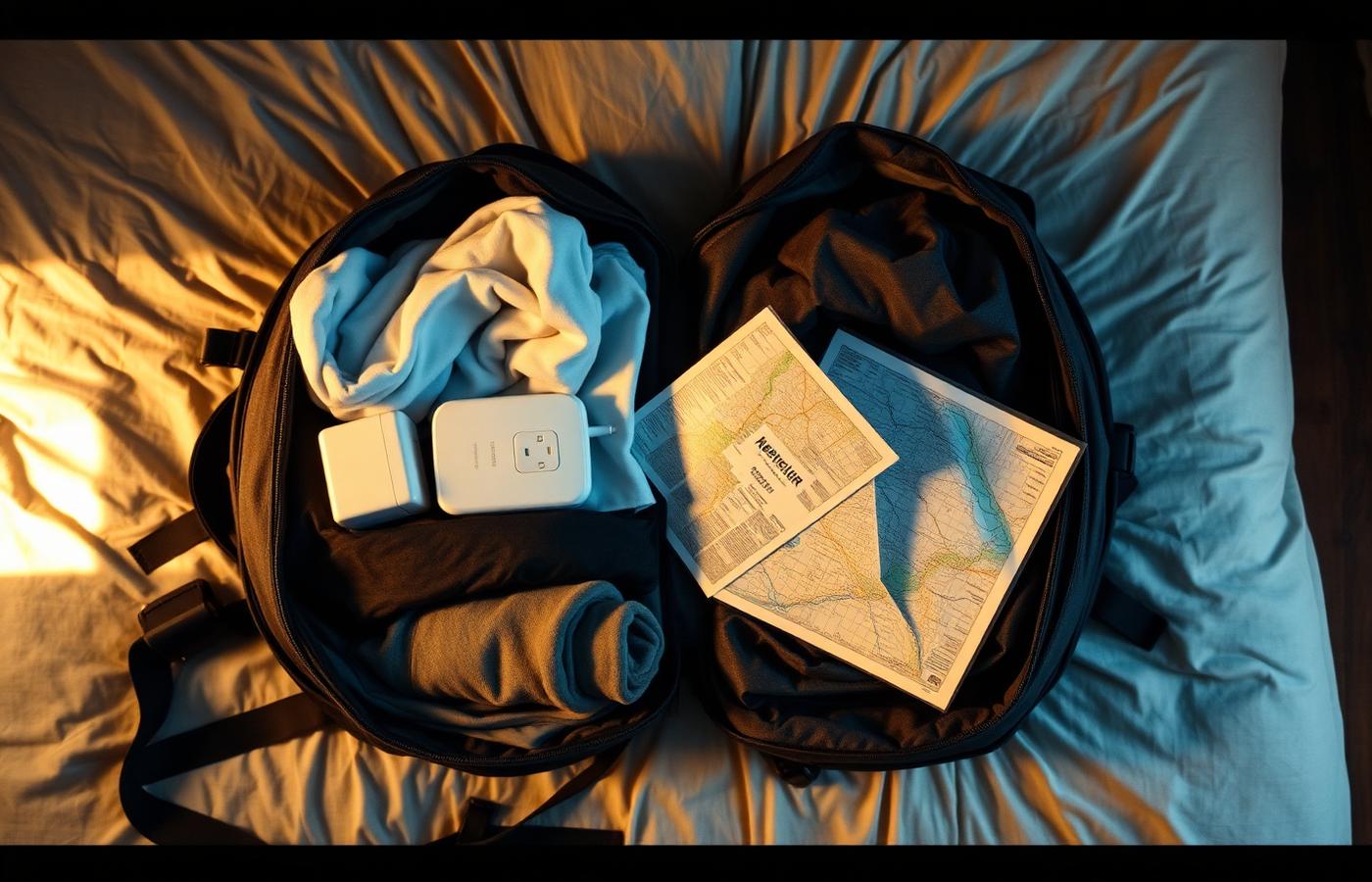
A weekend in Lisbon needs different preparation from trekking in rural Vietnam. Risk changes with season, altitude, accommodation and access to clinics. Give a travel health professional the full itinerary rather than asking for a standard list of injections. Declare existing conditions accurately to the insurer. A cheap policy that excludes asthma, diabetes or a previous operation may be useless when a claim arises.
Keep a routine on the road
Eat regular meals, carry water and protect sleep. Leave the first day light after an overnight journey. Walking is useful, but alternate long sightseeing days with a slower morning. Travellers often become unwell after ignoring thirst, sun and tiredness for several days rather than from one dramatic mistake.
Returning home after illness
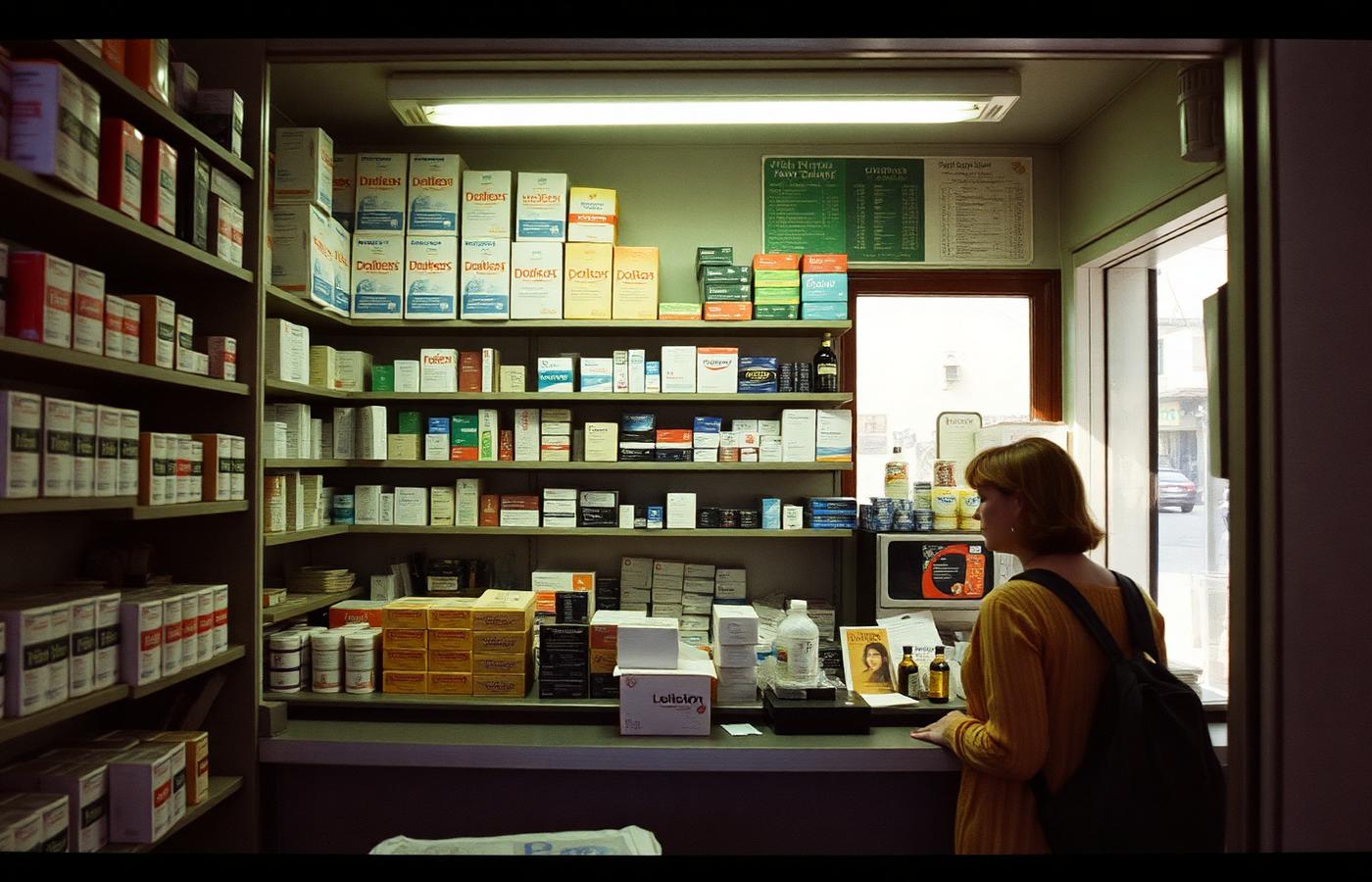
Keep details of treatment received, including clinic names, test results and medicine. Tell a UK clinician about destinations, animal bites, freshwater swimming and hospital care if symptoms continue. Complete prescribed courses and any malaria prevention required after leaving the risk area.
Before departure
Read the health advice for every country on your route, including transit stops. The NHS Fit for Travel pages and UK government foreign travel advice are sensible starting points. Book a travel clinic appointment six to eight weeks before leaving when possible. Take the dates, regions, accommodation, rural stops and planned activities. Some vaccine courses require more than one appointment. Routine UK vaccinations should also be current.
Arrange enough regular medicine for the whole trip plus a delay margin. Keep it in original labelled packaging and ask for a letter listing generic names, doses and the reason for treatment. Check destination rules for controlled medicines, injections and larger quantities. Keep essential medicine in hand luggage. Split supplies between two safe places where practical, but never separate medicine from the label that identifies it.
Buy insurance for the trip you will actually take. Declare medical conditions and check limits for treatment, repatriation and your chosen activities. Scooters, diving, high altitude walking and winter sports often need specific cover. Save the emergency assistance number, policy details and a suitable local clinic offline. Leave copies with a trusted contact.
A compact travel health kit
Pack prescription medicine first. Add oral rehydration salts, plasters, antiseptic wipes, pain relief that you already tolerate, sunscreen, insect repellent and hand gel. Include a thermometer when travelling remotely. A small card should list allergies, conditions, medicine and an emergency contact. Carry spare glasses and a prescription if poor sight would stop the trip.
Do not pack antibiotics left from an earlier illness. They do not treat viruses and the wrong drug can delay correct care. A qualified pharmacist or clinician should assess symptoms. Check expiry dates and storage temperatures. Medicine that needs refrigeration requires an agreed plan with the airline and accommodation.
Food, water and hand hygiene
Wash hands with soap before eating and after using the toilet. Gel helps when soap is unavailable but does not remove every organism. Choose freshly cooked food served piping hot. Busy places with rapid ingredient turnover can be safer than quiet buffets holding warm dishes for hours. Be cautious with raw shellfish, unpasteurised dairy, raw salads and pre cut fruit where hygiene or refrigeration is uncertain. Peel fruit yourself.
Check local water advice. Where tap water is unsafe, use sealed bottled or correctly treated water for drinking and brushing teeth. Make sure the bottle seal breaks when opened. Ice is safe only when made with treated water. Our guide to finding authentic local food explains how to eat locally without relying on tourist menus.
Sleep, flights and time zones
Start the trip rested. On a long journey, move when permitted, flex ankles and drink normally. Anyone with a clotting history, recent surgery, pregnancy or another risk factor should ask a clinician for personal flight advice rather than self prescribing aspirin.
After crossing time zones, use daylight to shift the body clock and stay awake until a reasonable local bedtime. Keep caffeine early in the local day and avoid using alcohol as a sleep aid. Do not try a new sedative on the aircraft. The jet lag calculator can turn the time difference into a simple sleep and daylight plan.
Sun, heat, insects and animals
Use broad spectrum sunscreen of at least SPF 30, then add shade, a hat and covering clothes. Reapply after swimming. Headache, nausea, cramps and unusual fatigue can signal heat illness. Stop, cool down and drink. Confusion, collapse or very hot skin requires emergency help.
Use a destination appropriate insect repellent and follow label directions. Put repellent on after sunscreen. Wear long sleeves when biting insects are active and use intact screens or a treated net when advised. Take malaria tablets exactly as prescribed, including doses before and after travel. Check for ticks after countryside walks.
Do not touch dogs, monkeys or other mammals in countries where rabies occurs. Wash any bite or scratch thoroughly with soap and running water, apply antiseptic and seek urgent advice. Previous vaccination does not remove the need for treatment.
When to get medical help
Seek urgent care for breathing difficulty, chest pain, confusion, fainting, severe dehydration, blood in vomit or stool, a stiff neck, a serious allergic reaction or major injury. Fever during or after travel in a malaria area needs prompt medical assessment. Tell the clinician exactly where and when you travelled.
Contact the insurer early for non emergency treatment because it may direct you to an approved clinic. Never delay emergency care while waiting for permission. Keep itemised receipts, prescriptions and reports. Record medicine names and doses given abroad for your doctor at home.
A realistic preparation receipt
A basic two week kit for a healthy adult might include £28 travel insurance, £9 sunscreen, £8 repellent, £4 oral rehydration salts, £10 basic wound care and £11 prescription supplies. The example total is £70. Vaccines are separate because needs and prices vary by route and medical history. Add health costs to the travel budget calculator before paying for flights.
More planning help
Pair this advice with how to plan an international trip, the carry on packing list and things nobody tells you before travelling abroad. Travellers choosing a first route can compare destinations for first time travellers.
Frequently asked questions
When should I visit a travel clinic?
Aim for six to eight weeks before departure, but seek advice even when leaving sooner. The right advice depends on the full route, season, activities and personal health.
Should medicine go in checked luggage?
Keep essential medicine in hand luggage, labelled and supported by prescription information where required. Check airline rules for liquids, needles and cooling packs.
What should I do if I become ill abroad?
Use emergency care for serious symptoms. For a non urgent problem, contact the insurer and a qualified local clinician. Keep receipts and treatment notes.
Is this advice a replacement for a doctor?
No. It is general preparation guidance. Pregnancy, chronic illness, immune conditions, children and prescription medicine require individual professional advice.