
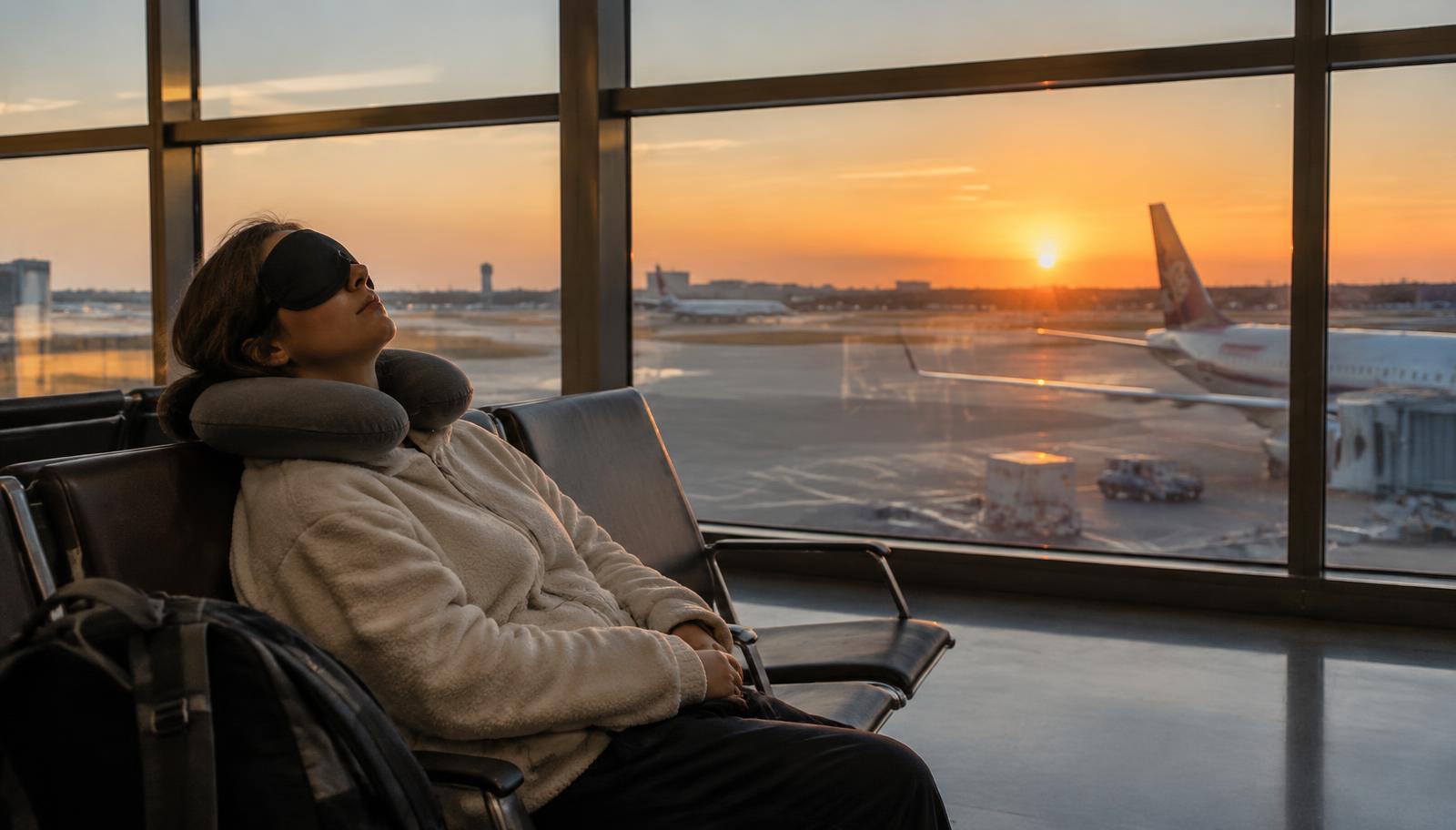
Jet lag occurs when your internal body clock, the circadian rhythm, falls out of sync with the local time at your destination. The fastest way to recover.
Jet lag occurs when your internal body clock, the circadian rhythm, falls out of sync with the local time at your destination. The fastest way to recover is to anchor your body to the new time zone immediately through light exposure, strategic meal times, and controlled sleep patterns. Avoid the temptation to nap upon arrival during daylight hours.
Travel Voyager focuses on solo and budget travel where time is your most valuable currency. Losing three days to a hazy head and fatigue is a waste of a trip. While you cannot physically force your cells to reset instantly, you can manipulate external cues to speed up the process.
The Science of the Shift
The human body relies on zeitgebers, which is a German term for time-givers. These external signals tell your brain when to release melatonin for sleep and cortisol for alertness. When you cross multiple time zones quickly, these signals conflict with your internal clock.
Eastward travel is generally harder than westward travel. When flying east, you lose time, effectively shortening your day. Your body finds it harder to advance its clock than to delay it. If you fly from London to Bangkok, you are asking your body to go to sleep much earlier than it is used to. Conversely, flying west to New York extends your day, which is usually easier for the internal system to manage.
For specific timings based on your route, using a Jet Lag Calculator helps identify the exact windows when you should seek or avoid light.
Pre-Flight Preparation
Recovery starts before you board the aircraft. Three days before departure, begin shifting your schedule by one hour each day toward your destination time. If travelling east, go to bed an hour earlier. If travelling west, stay up an hour later.
Adjusting your diet can also help. Some travellers find success in shifting meal times to match the destination zone 24 hours before departure. This helps the peripheral clocks in your gut align with the master clock in your brain. For more broad preparation, consult our guide on Essential Travel Health Tips Before International Trips.
The In-Flight Strategy
The moment you sit in your seat, change your watch or phone to the local time of your destination. This is a psychological trick that helps you plan your sleep and meals during the flight.
Hydration is a non-negotiable factor. The humidity in aircraft cabins is often lower than 20 percent, which is drier than some deserts. Dehydration does not cause jet lag, but it exacerbates the symptoms like headaches, irritability, and physical fatigue. Aim to drink water consistently throughout the flight. Avoid alcohol and excessive caffeine, as both disrupt sleep quality and contribute to dehydration.
If it is nighttime at your destination while you are in the air, try to sleep. Use an eye mask and earplugs to create a dark environment. If it is daytime at your destination, stay awake. Read, watch a film, or move around the cabin to keep your blood flowing.
Immediate Arrival Tactics
The first 24 hours on the ground are the most critical for resetting your rhythm.
Sunlight is the strongest tool
Natural light is the primary signal for your brain to stop producing melatonin. If you arrive in the morning, stay outside. Even if it is overcast, the lux levels of natural outdoor light are significantly higher than indoor lighting. If you must be indoors, sit near a window.
The nap trap
If you arrive at 10:00 am and feel exhausted, a four-hour nap will ruin your recovery. It tells your body that the middle of the day is a period for deep sleep. If you absolutely must rest, limit it to 20 minutes before 2:00 pm. Set a loud alarm and get back outside immediately after waking.
Meal times as anchors
Eat your meals at the local time, even if you are not hungry. If your body is screaming for breakfast at 11:00 pm, ignore it and wait for morning. This helps the metabolic system sync with the local environment. Following a consistent routine is a core part of how to stay healthy while travelling abroad.
Managing Symptoms Safely
Jet lag symptoms often include insomnia, digestive issues, and brain fog. While these are temporary, they can be frustrating.
For digestive upset, stick to light, easily digestible meals for the first 48 hours. High-protein breakfasts can help promote alertness, while high-carbohydrate dinners may help you feel drowsy. You can find more advice on maintaining your physical well-being in our article on how to avoid getting sick on vacation.
Some travellers use supplements to assist the transition. Melatonin is a common choice, but its availability and legal status vary by country. In the UK, it is a prescription-only medication. Always consult a healthcare professional before starting any new supplement regime. You can read about general nutritional support in our guide to the best vitamins and supplements for travellers.
Hypothetical Budgeting for Recovery
Recovery often involves small costs that solo travellers should factor into their planning. Consider a hypothetical three-day recovery period in a city like Tokyo after flying from London.
1. High-quality eye mask and earplugs: £15 2. Extra hydration (bottled water or electrolyte tabs): £10 3. One "stay awake" activity (e.g., a walking tour to ensure you stay outside in the sun): £25 4. Total hypothetical cost: £50
If you are trying to keep costs low, use a Trip Cost Calculator to see how these small recovery expenses fit into your overall daily allowance. Staying outside in public parks or libraries is a free way to manage your environment without spending extra.
When to Seek Medical Advice
Jet lag is a temporary condition that should improve within a few days as your body adjusts. According to official advice from the NHS, you generally do not need to see a GP for jet lag.
However, you should seek medical attention if:
- Your symptoms do not improve after two weeks.
- You experience severe chest pain or difficulty breathing.
- You have underlying health conditions, such as diabetes or heart disease, that are being complicated by the change in routine.
- You are taking time-sensitive medication (like insulin or the contraceptive pill) and need a schedule for adjusting your doses.
Insurance and Jet Lag
Most standard travel insurance policies do not cover "loss of enjoyment" or missed activities due to jet lag, as it is considered a predictable physiological response to travel rather than an unforeseen illness or injury. Always check your specific policy wording for exclusions. If you have a pre-existing condition that might be exacerbated by sleep deprivation, ensure you have declared this to your insurer to maintain valid coverage.
Actionable Checklist for Your Next Trip
- Pre-trip: Move your bedtime by 60 minutes for three nights.
- On the plane: Set your watch to the destination time immediately.
- On arrival: Seek at least two hours of direct sunlight.
- First night: Stay awake until at least 9:00 pm local time.
- Nutrition: Prioritise water and eat on the local schedule.
Frequently Asked Questions
Does coffee help or hinder jet lag recovery? Caffeine is a double-edged sword. It can help you stay alert during the day when you are struggling to stay awake, but if consumed too late, it will prevent you from falling asleep when the local bedtime finally arrives. Limit caffeine to the morning hours of your destination time.
Are there specific foods that help with jet lag? No single food cures jet lag, but managing your blood sugar helps. Avoid heavy, greasy meals that might cause indigestion and keep you awake. Tryptophan-rich foods like turkey, oats, or bananas are often suggested for dinner as they are precursors to sleep hormones, though their effect is mild.
Should I use sleeping pills to get through the first night? Pharmaceutical sleep aids can be tempting, but they do not help your body clock reset; they simply knock you out. They can also leave you feeling groggy the next day, making it harder to get the sunlight exposure you need. Many travellers prefer to let the body adjust naturally. Speak to a pharmacist or doctor before using any sedative.
How long does it typically take to fully recover? A general rule of thumb is that the body takes one day to adjust for every time zone crossed. If you fly across five time zones, you might not feel 100 percent for five days. However, by using light and meal-timing strategies, you can often reduce the period of severe symptoms to just one or two days.
Health note: The information provided in this article is for general educational purposes only and does not constitute medical advice, diagnosis, or treatment. Always seek the advice of a qualified healthcare provider with any questions you may have regarding a medical condition or the use of supplements and medications while travelling.