A twelve step plan for booking, budgeting and packing your first trip abroad, with a real cost breakdown from an eight day trip to Krakow for £612.
Planning a first international trip fails in the same two places every time. People book the flight before they check the passport, and they build a day by day schedule before they know what a day actually costs. Fix those two things and the rest is admin.
This is the order I use, built from trips I have paid for myself. The prices below come from an eight day trip to Krakow, Poland, in October 2025, booked from Manchester eleven weeks out. Full receipt further down.
Step 1: Check your passport before anything else
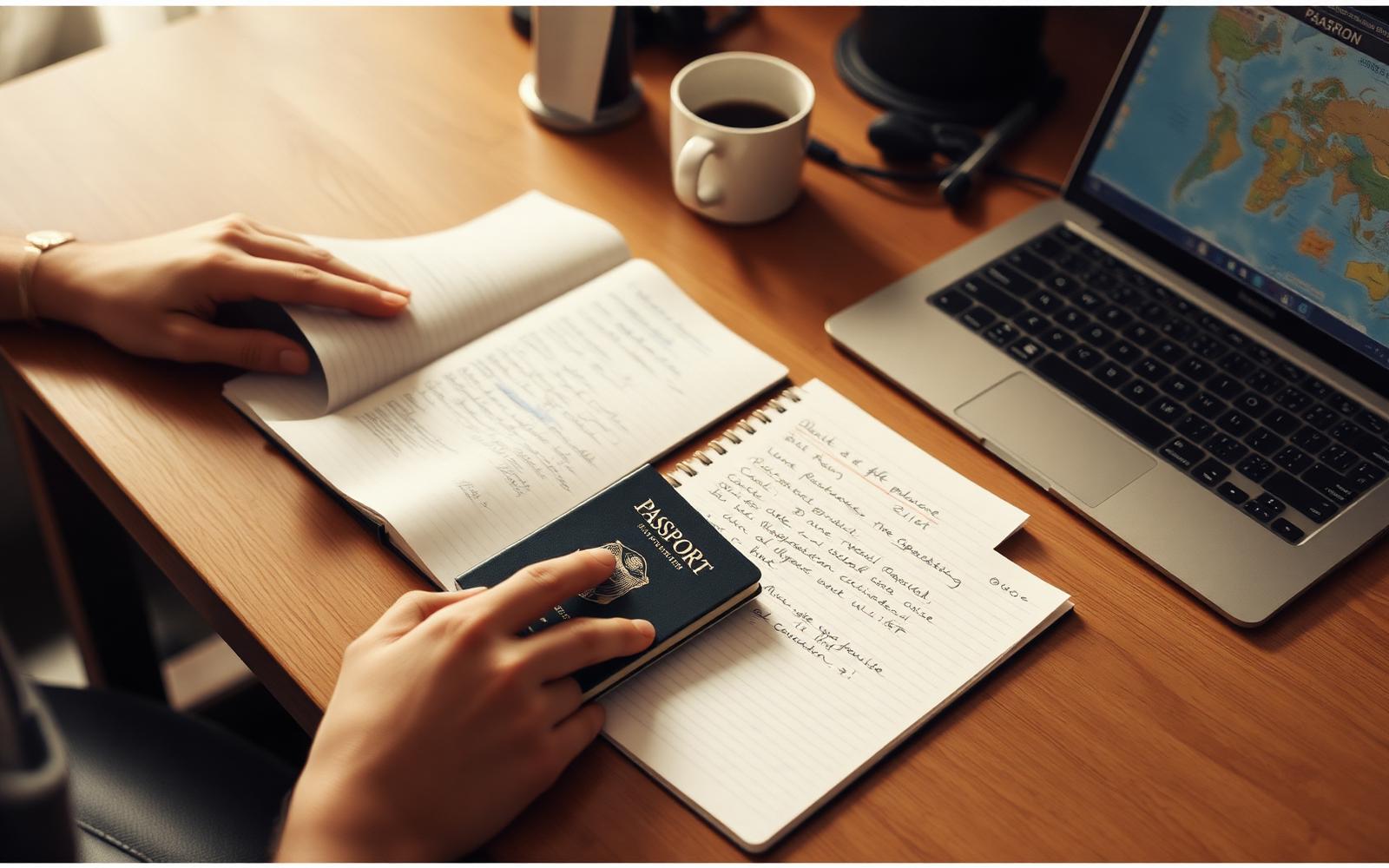
Most countries require at least six months of validity beyond your arrival date, and several require two blank pages. A UK adult passport renewal costs £94.50 online and the Home Office quotes up to three weeks, longer in spring. Check the expiry date today, not the week before you fly.
Step 2: Pick a destination that matches your budget, not your feed
Your first trip should be short haul, cheap to reach, and easy to move around. Krakow, Lisbon, Ljubljana, Valencia and Tallinn all work. If you want the reasoning behind each one, read Best Travel Destinations for First Time Travellers, which covers signage, transport and daily costs for beginner friendly cities.
Step 3: Set the daily number first
Take what you can spend, subtract the flight, then divide by the number of days. That figure decides your whole trip. In Krakow I worked to £45 a day for food, transport and entry tickets, and stayed under it. In Georgia the same style of trip ran at about £24 a day. In Japan it was closer to £30 once temple lodging was involved, which I broke down in the Shikoku pilgrimage post.
Step 4: Check entry rules for your passport
Rules change and they change quietly. For UK passport holders visiting the Schengen area, the limit is 90 days in any rolling 180. From late 2026 the EU also charges €20 for ETIAS travel authorisation. The United States charges $40 for ESTA. Turkey, Egypt and Vietnam sell e-visas online, and buying them anywhere other than the official government site means paying an agent for nothing.
Step 5: Book the flight on a flexible date search
Use a whole month view rather than a fixed date. My Krakow return was £86 on a Tuesday out, Wednesday back. The same route on the Friday was £171. Book direct with the airline once you have found the price. Third party agents make changes slow and refunds slower.
Step 6: Book accommodation near a transport line
Cheap and far always costs more once you add four taxis. In Krakow I paid £31 a night for a private room in Kazimierz, ten minutes from the old town on foot. Filter by location first, price second, then read the three most recent reviews. Old reviews describe a hotel that no longer exists.
Step 7: Buy travel insurance the same day you book
Insurance bought after a booking still covers cancellation from that point forward. Waiting until the week you fly means any illness or family issue in between is not covered. An eight day European policy with £5m medical cover cost me £14.20. A GHIC card is free and covers state healthcare in the EU, but it is not insurance and it does not fly you home.
Step 8: Sort money before you leave
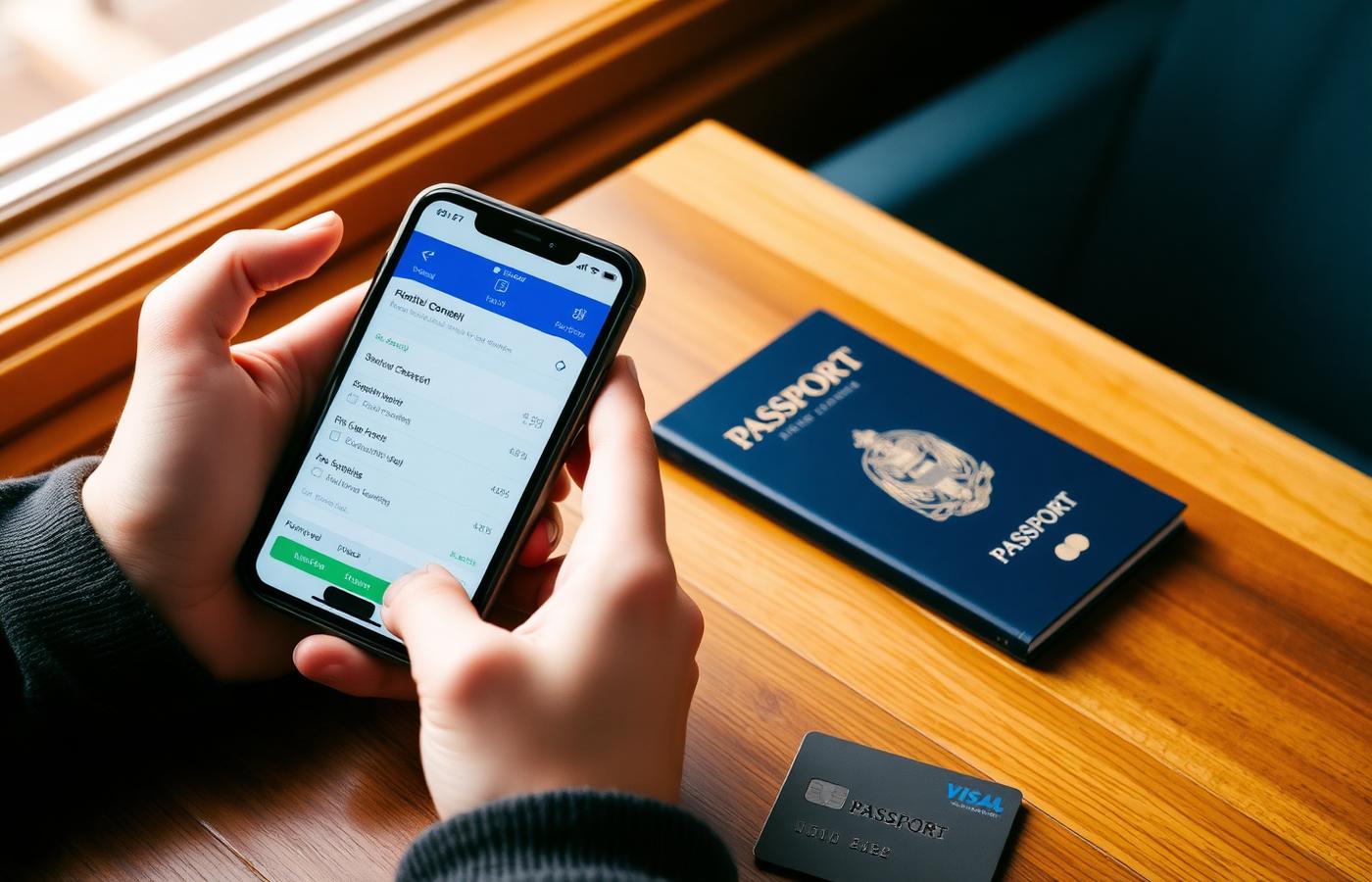
Get a card that does not charge foreign transaction fees. Airport bureaux take between 8 and 12 percent through the exchange rate. Withdraw local cash once from a bank owned ATM, take the option marked "without conversion" when the machine offers to convert for you, and carry roughly £40 in small notes for markets, luggage lockers and tips.
Step 9: Plan half of each day, not all of it
Book the things that sell out, such as Auschwitz timed entry or a Wieliczka salt mine slot, and leave the afternoons open. Three fixed activities across eight days is enough. Trips fall apart when the schedule leaves no room for a long lunch or a slow morning.
Step 10: Learn the transport system before you land
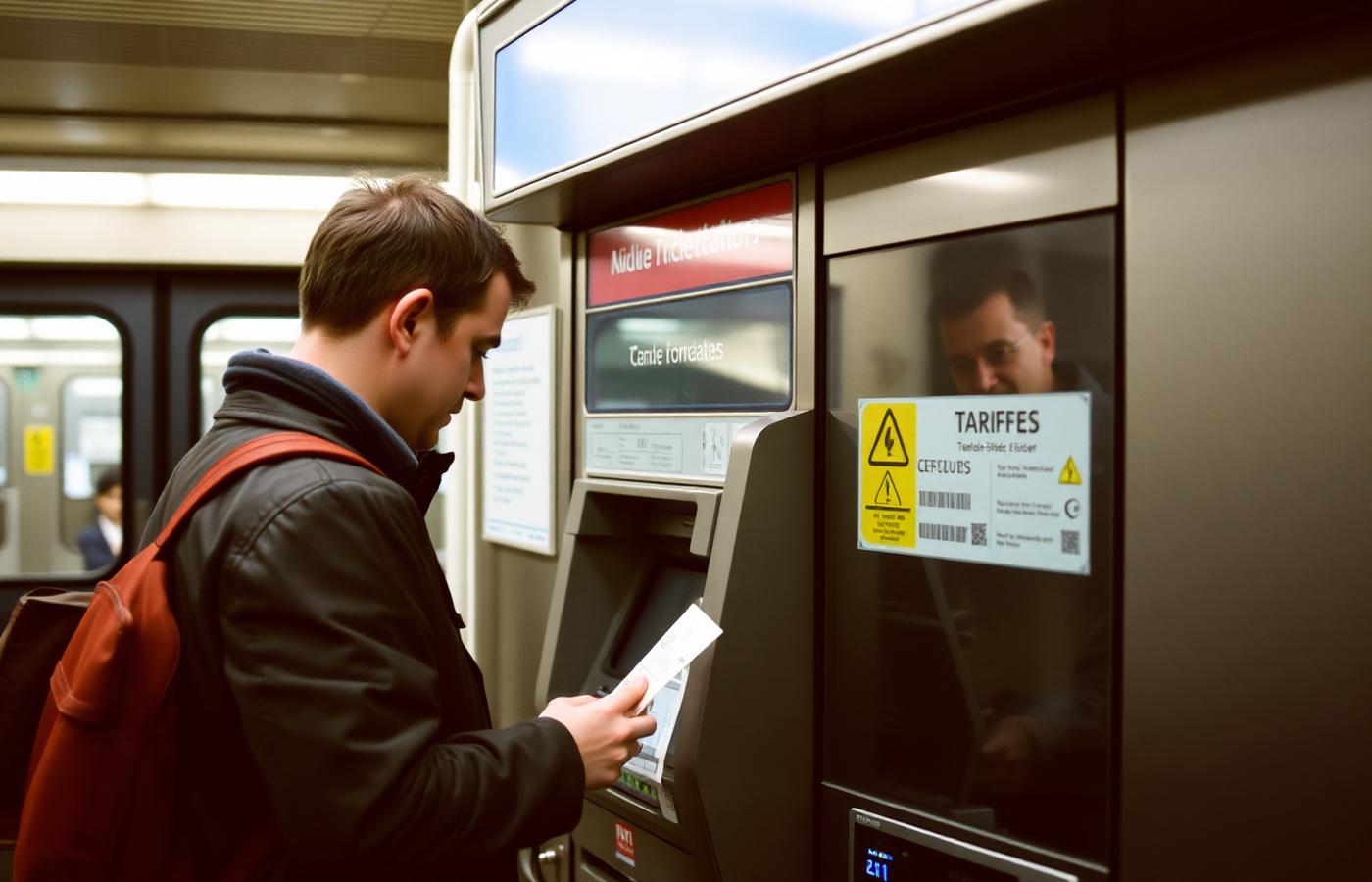
Ten minutes on the city transport website saves an hour of standing in a station. In Krakow a single tram ticket is 6 zloty, about £1.20, and a 72 hour pass is 51 zloty. Buy from the machine on the platform, validate on board, keep the ticket until you leave. Inspectors do check.
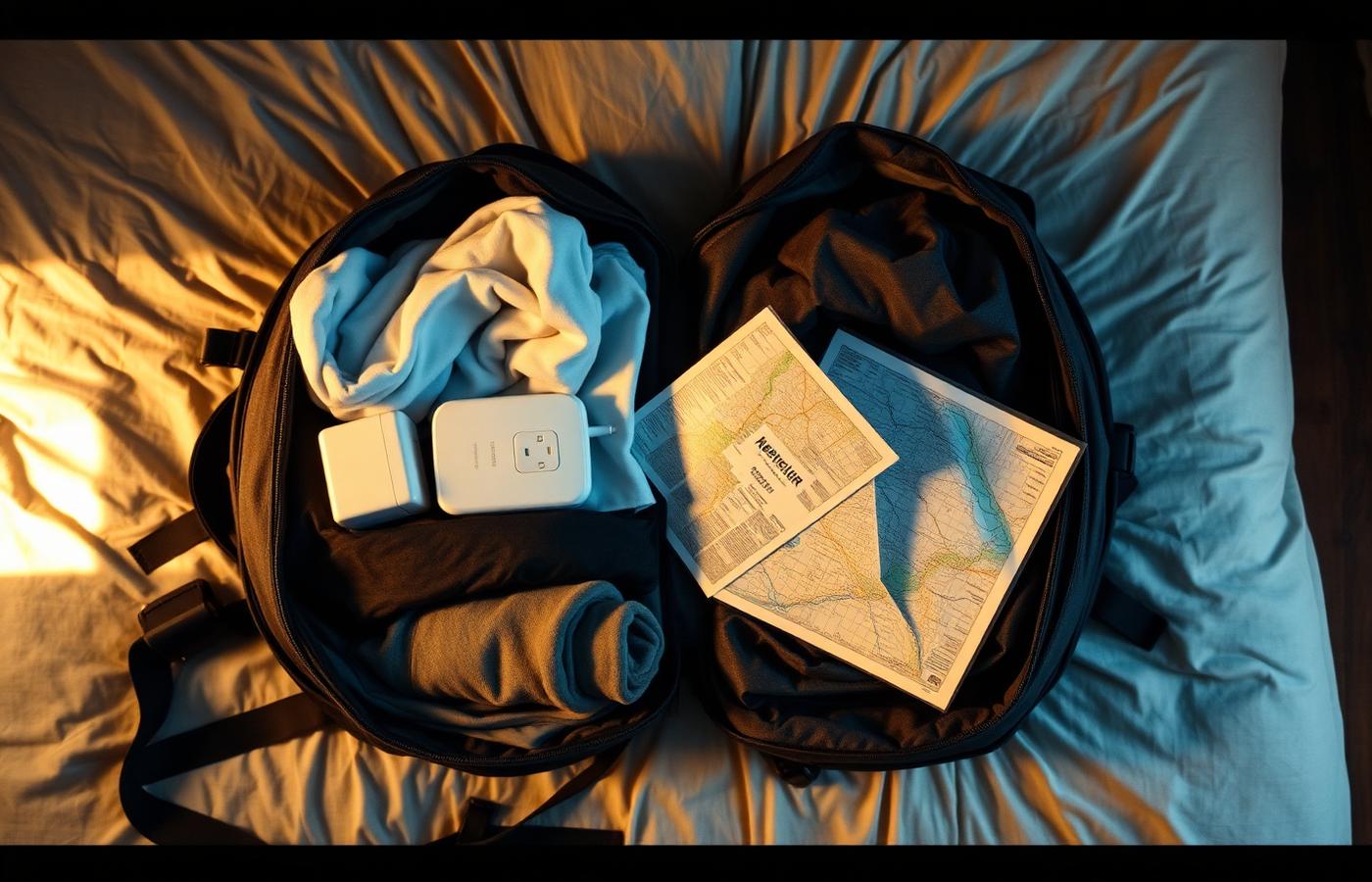
Step 11: Pack to one bag
A 40 litre cabin bag covers eight days. Four t-shirts, two trousers, one warm layer, one rain layer, five pairs of socks and underwear, a travel adapter, a small medicine pouch with paracetamol, rehydration salts and plasters, and a paper copy of your booking confirmations. No hold bag means no waiting and no lost luggage claim.
Step 12: Leave a copy of everything with someone at home
Photograph your passport, insurance policy number, flight confirmation and accommodation address, then email them to yourself and to one person at home. It takes four minutes and it is the difference between an inconvenience and a crisis at a consulate.
What the trip actually cost
Eight days in Krakow, October 2025, one person, flying from Manchester. The full receipt is in the sidebar. Flights £86, accommodation £217, food £128, transport £41, entry tickets £62, insurance £14, sim and data £9, spending money £55. Total £612, which is £76.50 a day including the flight.
Two things surprised me. Food was cheaper than I planned for, with a milk bar lunch at around £4.50 and a proper sit down dinner at £11. Entry tickets were more expensive than expected, mostly because guided entry to Auschwitz is compulsory in peak hours.
FAQs
How far in advance should I book my first international trip? Eight to twelve weeks for short haul flights, and the same day you book for insurance. Accommodation with free cancellation can be held early and rebooked if the price drops.
How much money do I need for a week abroad in Europe? Between £550 and £750 for a mid range week in central or eastern Europe, including flights. Western Europe runs about 40 percent higher. See the budget travel dispatches for costed examples.
Do I need a visa for my first trip? It depends on your passport and destination. Check the official government immigration site of the country you are visiting, never a third party agency listing.
Is travel insurance really necessary for a short trip? Yes. A single ambulance transfer in Europe can run into four figures, and a repatriation flight far more. At around £14 for eight days it is the cheapest line on the receipt.
Should I book a tour or travel independently? Independently, with two or three booked activities. You learn the transport system faster and you spend roughly half as much.
What is the biggest mistake first time travellers make? Booking too many cities. Two cities in eight days is comfortable. Four means you spend a third of the trip in transit.
Planning your first trip abroad is a checklist, not a talent. Work through the twelve steps in order, hold the daily number, and the trip pays for itself in confidence. See where I have been on the interactive map, read more on the about page, get the next dispatch by joining the newsletter, or send a question if something here does not fit your trip.
Before you fly, read how to stay healthy while travelling abroad for the jabs, kit and food rules that keep a trip on track.