Price note:** All figures in this draft are hypothetical planning examples, not current quotes or receipts. Check live prices and exchange rates before.
Price note: All figures in this draft are hypothetical planning examples, not current quotes or receipts. Check live prices and exchange rates before publishing.
Health note: This guide provides general information for planning purposes and does not constitute medical advice. Always speak to a GP, pharmacist, or travel clinic professional before purchasing supplies or self-treating. Seek immediate professional medical attention for severe pain, high fever, difficulty breathing, or allergic reactions.
A travel first aid kit is not a substitute for professional healthcare, but it is a vital tool for managing minor ailments and bridging the gap until you can reach a pharmacy or clinic. For solo travellers on a budget, a well-stocked kit prevents unnecessary spending on overpriced hotel gift shop supplies or the stress of searching for a chemist in an unfamiliar city at 2 am.
The goal is to carry the minimum amount of supplies to handle the most common issues: blisters, minor cuts, digestive upsets, and mild pain. This guide outlines how to build a kit that fits in a small packing cube without weighing down your rucksack.
The Core Essentials: Wound Care and Hygiene
Minor abrasions and blisters are the most frequent issues for budget travellers who spend hours walking through cities or hiking between hostels. A basic wound kit should focus on preventing infection and keeping you mobile.
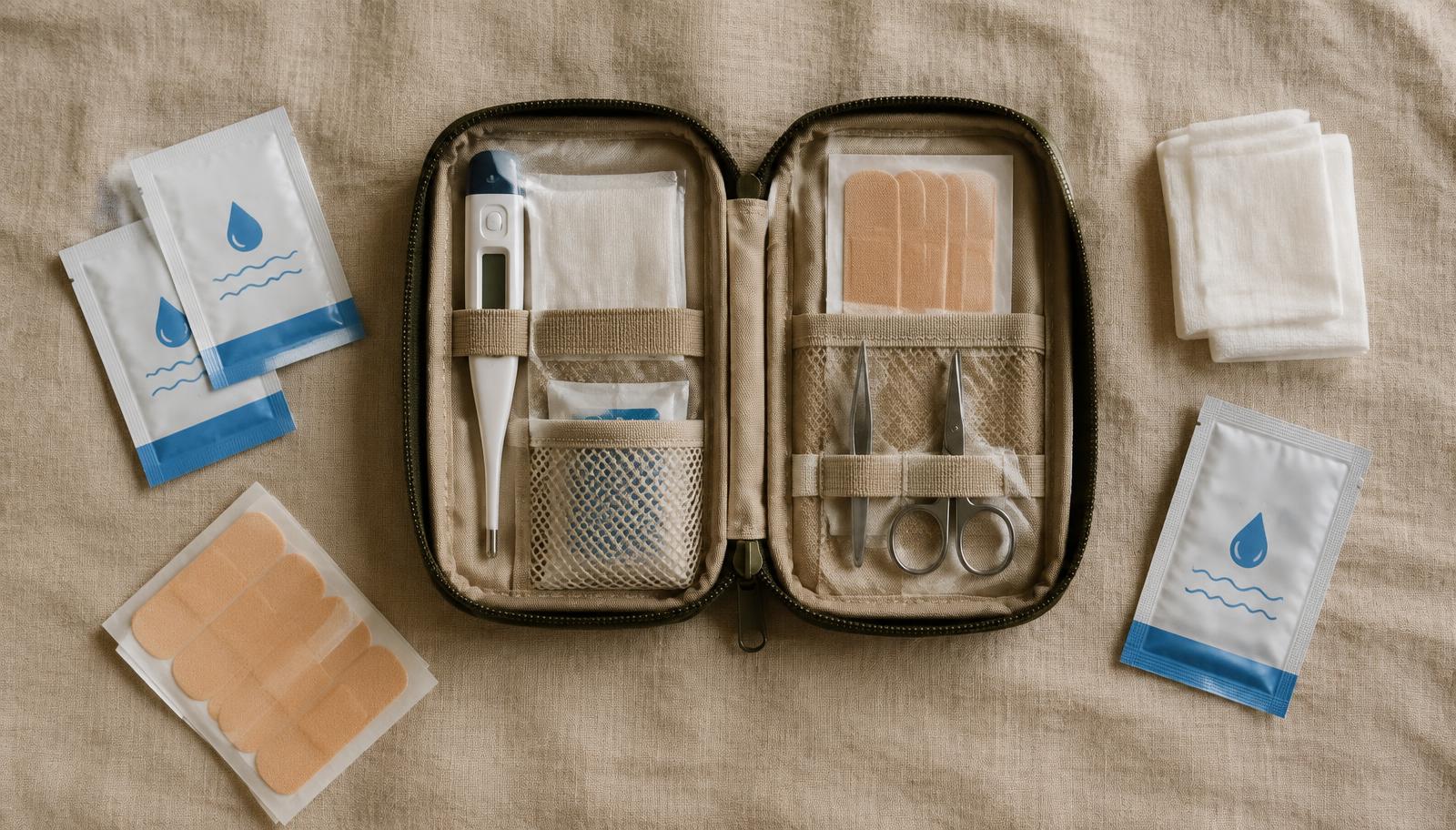
Start with a variety of adhesive bandages (plasters). Include standard sizes and a few larger ones for knees or elbows. Fabric plasters generally stay on longer than plastic ones during humid weather or active days. Blister plasters are a specific necessity; they use hydrocolloid technology to cushion the skin and speed up healing. If you are breaking in new boots, these are worth the higher price point.
Antiseptic wipes are crucial for cleaning a wound before covering it. Avoid heavy glass bottles of liquid antiseptic; individual sterile wipes are lighter and will not leak. Include a small roll of surgical tape and a few sterile gauze pads for larger scrapes that a standard plaster cannot cover.
A small pair of tweezers is essential for removing splinters or debris from a wound. If you plan on hiking, a safety pin can be useful for securing bandages or emergency gear repairs. Finally, pack a small bottle of hand sanitiser with at least 60 percent alcohol content. Using this before touching a wound reduces the risk of introducing bacteria.
Managing Common Ailments
Solo travel often involves changes in diet and water sources, which can lead to digestive discomfort. While you should read How to Avoid Getting Sick on Vacation for preventative strategies, your kit needs reactive supplies.
Oral rehydration salts (ORS) are the most important item for digestive health. These sachets contain a specific balance of salts and sugars to help the body absorb water. If you experience diarrhoea or heat exhaustion, ORS can prevent dehydration, which is a leading cause of hospitalisation for travellers.
Include a small supply of anti-diarrheal medication to manage symptoms during long bus or plane journeys. However, use these sparingly; the body often needs to clear an infection naturally. For mild indigestion or heartburn caused by spicy or unfamiliar foods, a few antacid tablets provide quick relief.
Pain relief is the next priority. A combination of paracetamol and ibuprofen allows you to manage headaches, muscular aches, or mild fevers. Ensure these stay in their original blister packs so you can identify them and check expiry dates easily. If you are prone to hay fever, pack your preferred antihistamines, as local brands abroad may use different active ingredients that cause drowsiness.
Prescription Medications and Documentation
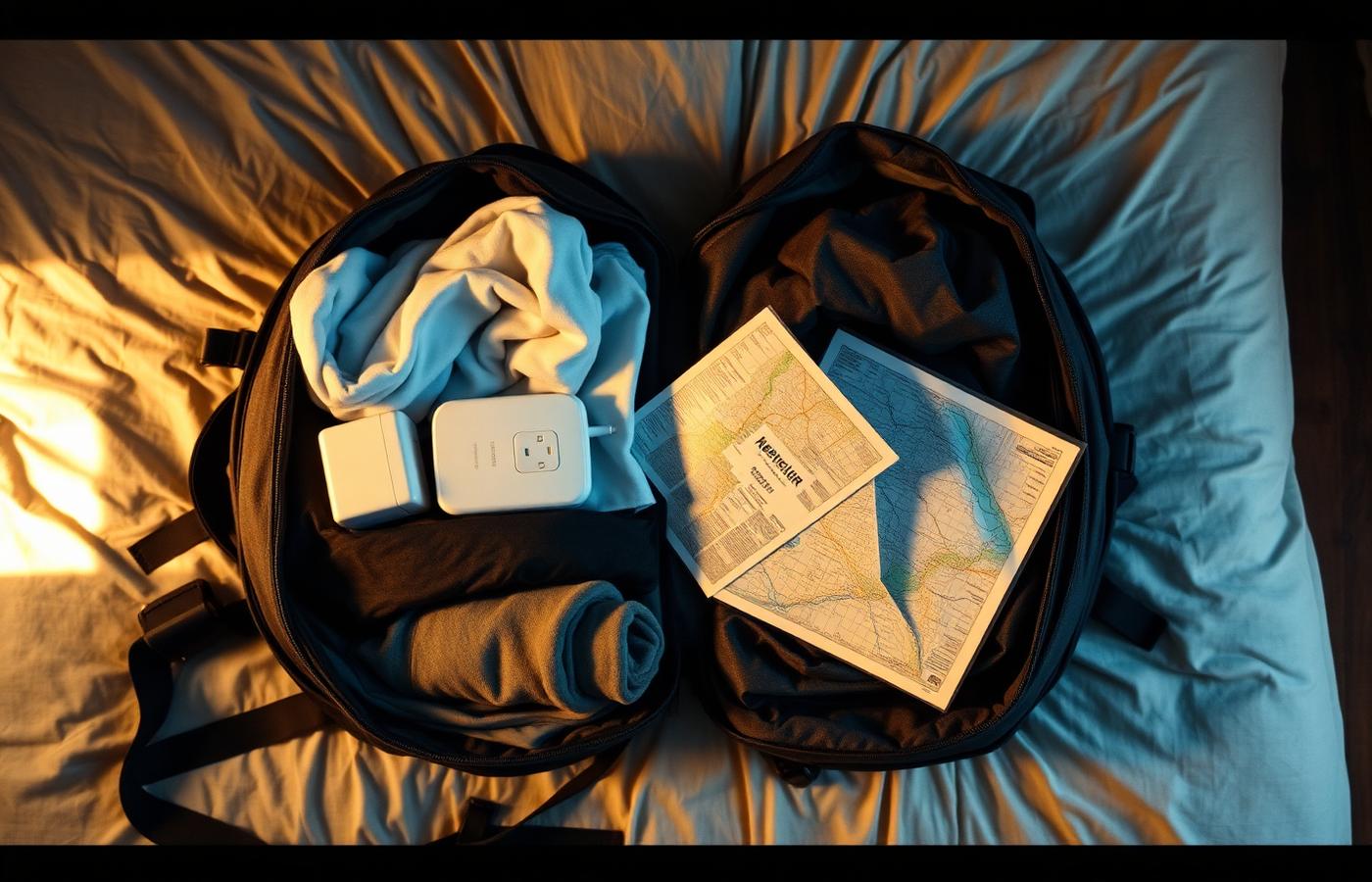
If you take regular prescription medication, you must carry enough for the entire trip plus a few extra days in case of delays. Keep these in your carry-on luggage, never in the hold, to ensure they are not lost if your main bag goes missing.
The UK government provides clear guidance on carrying controlled drugs or large quantities of medicine through Foreign Travel Advice. Always keep medicines in their original packaging with the prescription label visible. Carrying a copy of your prescription or a letter from your doctor is a sensible precaution for customs and for any emergency medical staff you might encounter.
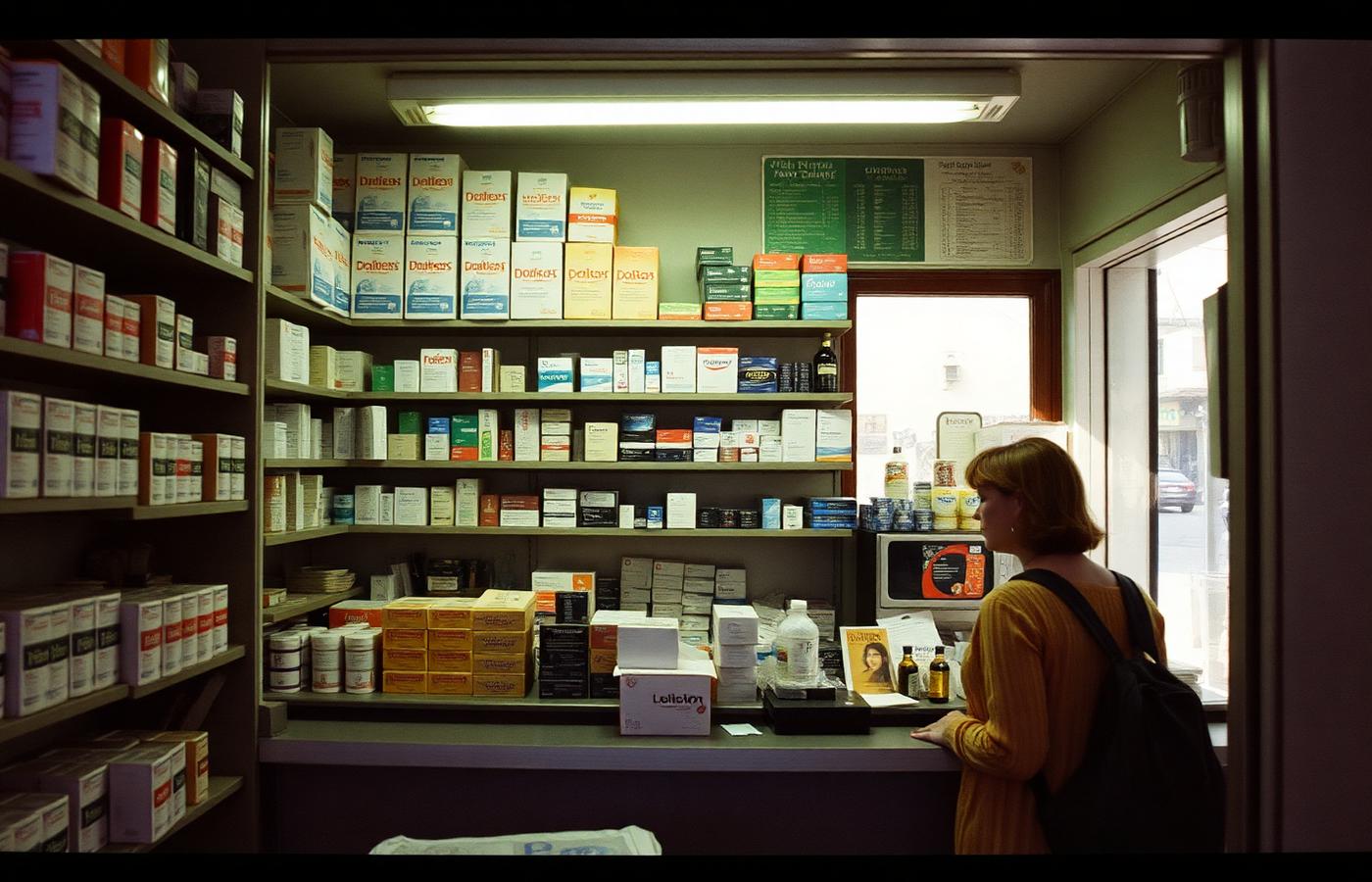
Check the legal status of your medication in your destination country well in advance. Some common over-the-counter UK medicines, such as those containing codeine or certain decongestants, are strictly controlled or illegal in countries like Japan or the UAE. Use TravelHealthPro to check country-specific requirements.
Environmental and Destination-Specific Items
Your destination dictates the "extras" in your kit. If you are headed to a tropical climate, high-strength insect repellent containing DEET or Icaridin is a primary health tool. This helps prevent vector-borne diseases like malaria or dengue fever. Before you fly, review Essential Travel Health Tips Before International Trips to understand which risks apply to your route.
For sunny climates, a small tube of high-factor SPF sunscreen and a soothing after-sun or aloe vera gel are necessary. Sunburn can lead to sunstroke, which quickly ends a budget trip. If you are travelling to areas with poor water sanitation, consider packing water purification tablets or a portable filter straw as a backup to bottled water.
Digital thermometers are lightweight and provide clarity when you feel unwell. Knowing if you have a genuine fever helps you decide whether to rest for a day or seek a clinic. For those who suffer from motion sickness on ferries or winding bus routes, include acupressure bands or travel sickness tablets.
Organising Your Kit on a Budget
Buying a pre-made first aid kit is often more expensive than assembling one yourself. Many pre-made kits contain "filler" items like dozens of tiny bandages you will never use, while lacking useful medications.
Use a clear, waterproof zip-lock bag or a small lightweight pouch to store your supplies. This keeps everything visible and dry. To save space, you can cut down large boxes of medication, but always keep the individual blister strips and the paper instruction leaflet.
When planning your budget, use a Trip Cost Calculator to factor in these initial setup costs. While a kit might cost £20 to £30 to assemble from scratch, most items will last for several trips. If you are trying to balance your overall spending, the Travel Budget Calculator can help you see where to allocate funds for health versus transport.
Understanding Travel Insurance Exclusions
A first aid kit manages the small things, but insurance is for the big things. Most policies require you to take "reasonable care" of your health. This includes having recommended vaccinations, which you can check via the NHS Travel Vaccinations guide.
Read the fine print of your policy regarding pre-existing conditions. If you do not declare a condition, your insurance may be void for any related claims. Additionally, many policies exclude injuries sustained while under the influence of alcohol or during "high-risk" activities like scooter rentals without a valid licence. Always check the actual policy wording rather than relying on the summary table.
For more advice on maintaining your well-being while away, consult How to Stay Healthy While Travelling Abroad.
Travel First Aid Kit Checklist
- Wound Care: Plasters (varied sizes), blister plasters, sterile gauze, surgical tape, antiseptic wipes.
- Tools: Tweezers, small scissors (check airline rules for carry-on), safety pins, digital thermometer.
- Medication: Paracetamol, ibuprofen, antihistamines, antacids, anti-diarrheal tablets.
- Rehydration: Oral rehydration salt sachets.
- Hygiene: Hand sanitiser (min 60% alcohol), sterile gloves.
- Extras: Insect repellent, SPF 30+ sunscreen, lip balm with SPF, personal prescriptions.
Frequently Asked Questions
Can I take scissors in my hand luggage? In the UK and many other regions, you can usually carry small scissors with blades no longer than 6cm from the fulcrum in your hand luggage. However, security rules can vary significantly between airports and countries. If you are travelling solo with only a cabin bag, consider a kit that does not require scissors, or buy a cheap pair at your destination.
How do I know if a medicine is legal in another country? Do not assume that because a drug is over-the-counter in the UK, it is legal elsewhere. Check the Foreign Travel Advice pages for your destination. If in doubt, contact the country's embassy. Always keep medication in its original packaging with a copy of your prescription to avoid issues at customs.
Should I pack antibiotics "just in case"? In the UK, antibiotics are prescription-only and should only be taken when a doctor has diagnosed a bacterial infection. Taking "spare" antibiotics for a self-diagnosed issue can lead to antibiotic resistance or complications. It is better to have good travel insurance that allows you to see a local doctor who can prescribe the correct treatment for your specific symptoms.
What should I do if my medication needs refrigeration? If you travel with insulin or other temperature-sensitive meds, you need a dedicated medical cool bag. Many hostels and hotels will allow you to store medication in their staff fridge, but you must ensure it is in a locked, clearly labelled container. Always have a backup plan, such as a cool pouch that stays cold through evaporation, in case you lose access to a fridge during long transit days.