
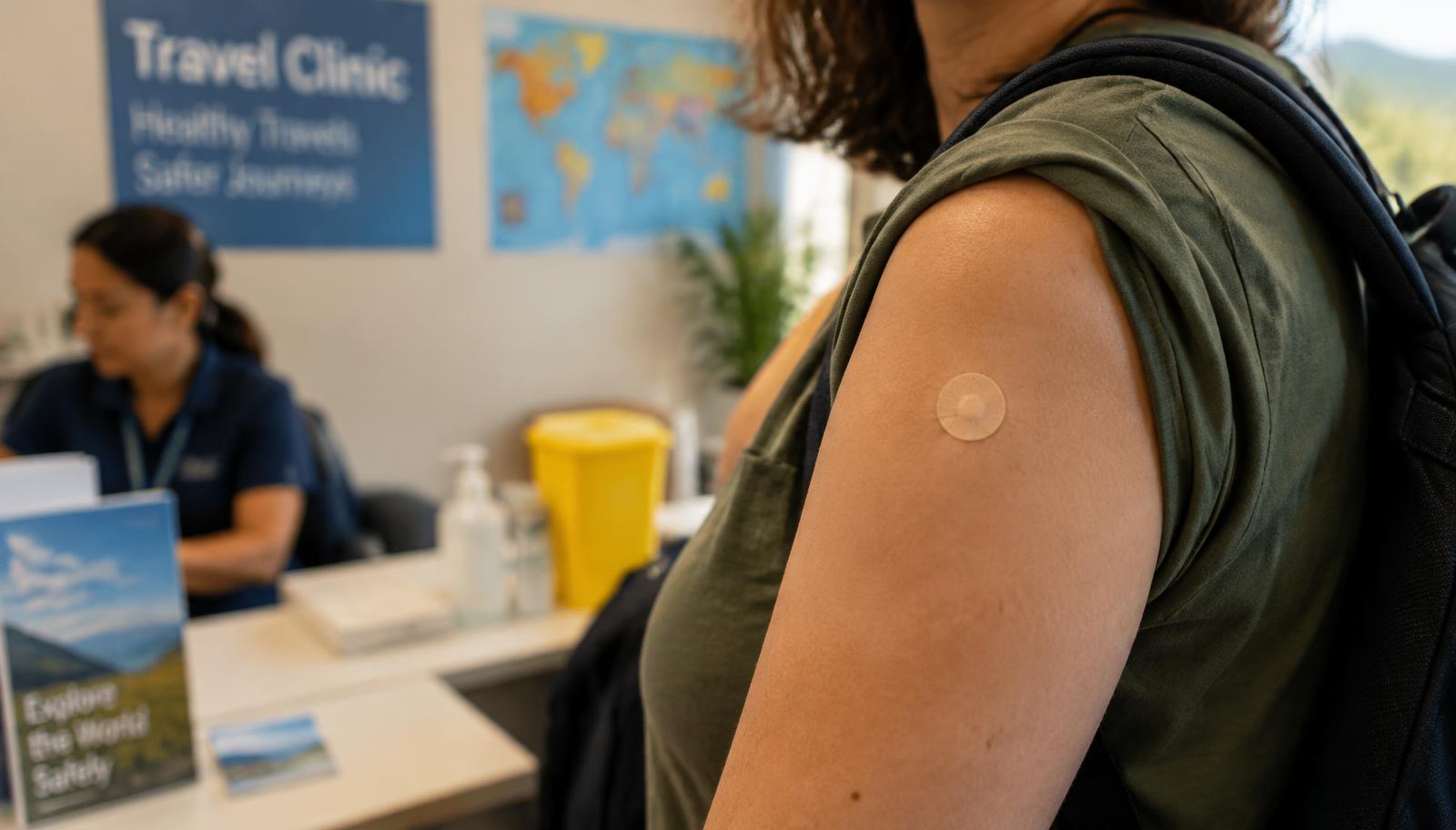
Health note:** The following information serves as a general guide for educational purposes and does not constitute medical advice. Vaccination.
Health note: The following information serves as a general guide for educational purposes and does not constitute medical advice. Vaccination requirements, health risks, and clinical recommendations change frequently. You must consult a qualified clinician, such as a GP or travel nurse, to discuss your specific medical history and itinerary before making any health decisions.
Travel vaccinations represent one of the most significant upfront costs for independent travellers, yet they are often the last item on the pre-trip checklist. In the UK, the system for accessing these medicines is a mix of free NHS provision and private clinical services. Getting the timing wrong or miscalculating the costs can derail a budget or, worse, leave you vulnerable to preventable diseases while abroad.
For most UK citizens, the first port of call should be the NHS travel vaccinations overview, which outlines what you might be entitled to without charge. However, the reality of solo travel often involves regions where the basic NHS provision is insufficient. This guide breaks down how to manage your health logistics without overspending or missing critical windows for immunity.
The Clear Answer: When to Start Planning
You should ideally contact a travel clinic or your GP surgery at least eight weeks before you depart. Some vaccination courses, may require multiple appointments. If you are planning a multi-country trip, your exposure risk increases, making early consultation essential. Even if you are leaving sooner, ask a clinician what protection is possible before departure.
Which Vaccinations are Free on the NHS?
The UK provides a specific set of travel vaccines free of charge because these diseases pose a public health risk if brought back into the country. If your GP surgery provides travel services, you can usually get the following without a consultation fee or vaccine cost:
- Polio (often given as a combined Diphtheria/Tetanus/Polio jab)
- Typhoid
- Hepatitis A
- Cholera
Not every GP surgery offers this service. If yours does not, they may refer you to a private clinic, where you will likely have to pay for these same shots. It is worth checking your surgery’s website or calling the reception well in advance to confirm their current policy.
Private Vaccines and the Cost Factor
Most vaccinations required for tropical or remote travel are not covered by the NHS. These include Yellow Fever, Japanese Encephalitis, Tick-borne Encephalitis, Rabies, and Meningococcal meningitis.
Yellow Fever is a unique case. You can only receive this at designated Yellow Fever Vaccination Centres. Some countries require an International Certificate of Vaccination or Prophylaxis (ICVP) for entry, particularly if you are arriving from an endemic area. Without this stamped yellow booklet, you may be refused entry or subjected to quarantine.
When budgeting for these, use a Trip Cost Calculator to ensure you have set aside enough funds. The price of private vaccines varies significantly between high-street pharmacies, specialist travel clinics, and private GP practices.
Hypothetical Planning Example: A Six-Month South East Asia Itinerary Imagine a clinician has assessed a hypothetical traveller and recommended a course of vaccines. The following figures are arithmetic examples, not medical recommendations or actual clinic prices:
- Hypothetical vaccine course A: 3 appointments at £70 each = £210
- Hypothetical vaccine course B: 2 appointments at £90 each = £180
- Hypothetical certificate and appointment = £80
- Total hypothetical cost: £470
- Note: These figures are for arithmetic illustration only. You must check current market rates at your chosen clinic.

Assessing Your Risk by Destination
Your specific needs depend on where you are going, what you are doing, and how long you are staying. A solo traveller staying in air-conditioned hotels in urban centres has a different risk profile than someone trekking through rural forests or working in local communities.
The most reliable resource for UK travellers is TravelHealthPro, which provides country-by-country breakdowns of health risks. You should also cross-reference this with the Foreign, Commonwealth & Development Office (FCDO) travel advice for safety and entry requirements.
Understanding your destination helps you focus on Essential Travel Health Tips Before International Trips that go beyond just injections, such as food and water safety.
The Rabies Trade-off
Rabies is a frequent point of debate for budget solo travellers. The vaccine is expensive and does not provide total immunity; if bitten by a potentially rabid animal, you still require two booster doses. However, having the pre-exposure course removes the need for Rabies Immunoglobulin (RIG), which is often in short supply or unavailable in many developing countries.
If you are planning to spend time in remote areas more than 24 hours away from a major hospital, the pre-exposure course is a significant safety net. This is a primary example of where spending money upfront is a practical decision for solo safety.
Antimalarials: Tablets vs. Prevention
Malaria is prevented through a combination of bite avoidance and medication. There is no vaccine currently available for general travellers. The type of antimalarial tablet recommended depends on the region and the level of resistance in local mosquito populations.
Common options include Atovaquone/Proguanil (often known by the brand Malarone), Doxycycline, and Lariam (Mefloquine). Each has different side effects and price points. Doxycycline is often the cheapest but can make your skin highly sensitive to sunlight, which is a major drawback for tropical beach holidays. Always discuss side effects with a clinician, as some medications are unsuitable for people with specific mental health histories or physical conditions.
Staying healthy is not just about what is in your bloodstream. You should also consider How to Stay Healthy While Travelling Abroad by managing your environment and personal hygiene.
Managing Your Records
In the digital age, a paper trail is still vital. Keep your vaccination certificates, especially the Yellow Fever ICVP, with your passport. It is also wise to take a photo of these documents and store them in a secure cloud folder. If you lose your physical booklet, having a record of the batch number and date of injection makes it easier for a clinic to issue a replacement.
If you are currently compiling your kit, use a Packing List Generator to remind you to include a basic first aid kit alongside your vaccination records. Knowing How to Avoid Getting Sick on Vacation involves being prepared for minor ailments that vaccines cannot prevent, such as traveller's diarrhoea or heat exhaustion.
Insurance and Health Declarations
Travel insurance is mandatory for any responsible solo traveller, but many policies have strict clauses regarding vaccinations. If you travel to a region where a specific vaccine is "strongly recommended" by the FCDO or TravelHealthPro and you choose not to have it, your insurer may refuse to cover medical expenses related to that disease.
Always read the Policy Wording carefully. Look for exclusions related to "preventable diseases" or "failure to follow government health advice." If you have a pre-existing condition, ensure your vaccinations do not contravene your specialist's advice, and declare all conditions to your insurer to ensure the policy remains valid.
When to Seek Urgent Medical Help Abroad
Vaccines provide a high level of protection, but they are not 100% effective. If you are abroad and experience any of the following, seek immediate medical attention at a reputable hospital:
- High fever, especially if accompanied by rigours (shaking) or a severe headache.
- A bite or scratch from any mammal (dog, cat, monkey, bat).
- Persistent diarrhoea leading to dehydration.
- Confusion or altered consciousness.
- A rash that does not disappear when pressed with a glass.
Do not wait until you return to the UK to address these symptoms. Local doctors in endemic areas are often more experienced at diagnosing tropical diseases than GPs in the UK.
FAQs: Common UK Traveller Concerns
Do I need a COVID-19 booster for travel in 2026? Requirements for COVID-19 vaccinations vary significantly by country. While many nations have dropped mandatory requirements, some still require proof of a recent booster or a full primary course for entry or to avoid quarantine. Check the FCDO page for your destination roughly one month before travel, as rules can change with little notice.
What if I cannot afford all the recommended vaccines? If your budget is tight, use a Travel Budget Calculator to see where you can trim costs elsewhere. Never compromise on the "required" vaccines like Yellow Fever. For "recommended" vaccines, have a frank conversation with a travel nurse about your specific itinerary. They can help you prioritise based on the highest risk factors for your route.
Can I get my vaccines at the airport? Some large UK airports have private travel clinics, but this is a risky strategy. Many vaccines require time to become effective, and some may cause mild side effects like a sore arm or a low-grade fever, which are unpleasant during a long-haul flight. It is always better to complete your course at least two weeks before departure.
I am pregnant or breastfeeding; can I still get travel jabs? Some vaccines use "live" viruses and are generally avoided during pregnancy unless the risk of the disease is exceptionally high. Non-live vaccines are usually considered safe. However, this is a complex clinical decision. You must consult your obstetrician and a travel health specialist to perform a risk-benefit analysis of your travel plans.
Final Checklist for the Solo Traveller
1. Check the Map: Identify your specific destinations, including rural vs. urban stays. 2. Consult the Experts: Book an appointment with a GP or travel clinic at least eight weeks out. 3. Audit Your History: Find your childhood immunisation records to see if you need boosters for things like Tetanus or MMR. 4. Budget Early: Factor in the hypothetical costs of private injections alongside your flights and accommodation. 5. Documentation: Secure your certificates and digital backups.
Preparation is the foundation of a successful solo trip. By addressing your health needs early, you can focus on the journey itself, knowing you have taken the necessary steps to protect your wellbeing.
Before publishing: Editor must verify changing prices for private vaccines, check the latest NHS guidance on free provision, and ensure all FCDO links point to current advice. Add genuine firsthand photos of clinic visits or vaccination booklets if available from the contributor. Verify current availability of specific vaccines like Hepatitis B or Rabies, as global shortages can occur.
Before publishing
Editor: verify changing prices, dates, routes, entry or visa rules against official sources. Add genuine firsthand photos and receipts only if available. Confirm the examples and sources before release.