
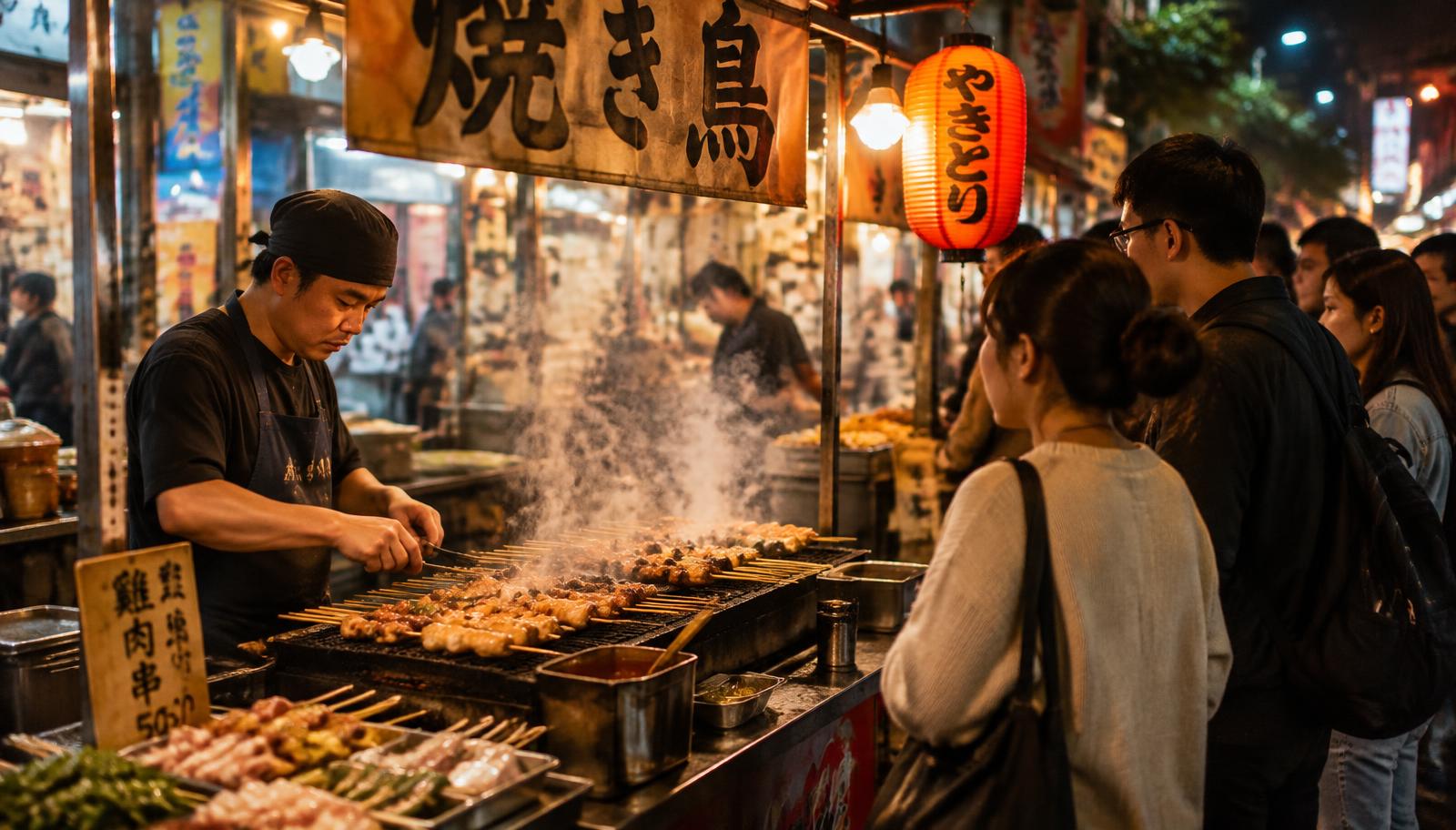
Street food is one of the most cost-effective and rewarding ways to eat while exploring new countries. For solo travellers on a budget, it offers an.
Street food is one of the most cost-effective and rewarding ways to eat while exploring new countries. For solo travellers on a budget, it offers an immediate connection to the local culture that sitting in a shielded tourist restaurant cannot match. However, the concern regarding hygiene and potential illness often prevents people from trying it.
The short answer to whether street food is safe is yes, provided you apply a logical set of criteria to where and what you eat. Avoiding illness is less about luck and more about observing how food is handled, cooked, and stored. By following a few practical rules, you can enjoy local specialities without spending your trip in a bathroom.
The Logic of the Crowd
One of the most reliable indicators of safety is a high turnover of customers. A stall with a long queue of locals suggests two things: the food is considered high quality by those who know it best, and the ingredients are moving fast. Rapid turnover means meat and vegetables do not sit at room temperature for hours.
If you see a stall where the vendor is standing idle and the pre-cooked food looks dry or tepid, move on. In best countries for food tourism, the most popular stalls often sell out by mid-evening, ensuring everything served is fresh from that day's market.
Observe the Heat
Heat is your best defence against bacteria. When ordering street food, prioritise items cooked to order in front of you. Frying, boiling, and grilling at high temperatures kills most pathogens that cause food poisoning.
Avoid food that is sitting in large communal bowls or trays at lukewarm temperatures. If a vendor pulls a pre-cooked skewer from a pile and barely warms it over the flame, it may not reach a temperature high enough to be safe. Look for bubbling oils, steaming pots, and sizzling grills. Once you have identified famous street foods around the world you must try, look for the vendors who treat the cooking process as a live performance.
The Separation of Money and Meat
Hygiene often breaks down at the point of payment. Observe the vendor’s hands. In a well-run stall, there are often two people: one who handles the food and another who handles the cash.
Banknotes and coins are notoriously dirty. If a solo vendor is flipping burgers or assembling wraps with their bare hands and then immediately taking cash from customers, the risk of cross-contamination is high. If they use tongs or gloves for the food and remove them to handle money, the risk is significantly lower.
Water and Raw Produce
In many regions, the local tap water may contain bacteria that a traveller’s system is not accustomed to. This extends beyond just drinking water. Raw salads, fruit with thin skins (like grapes or berries), and ice are common culprits for stomach upsets.
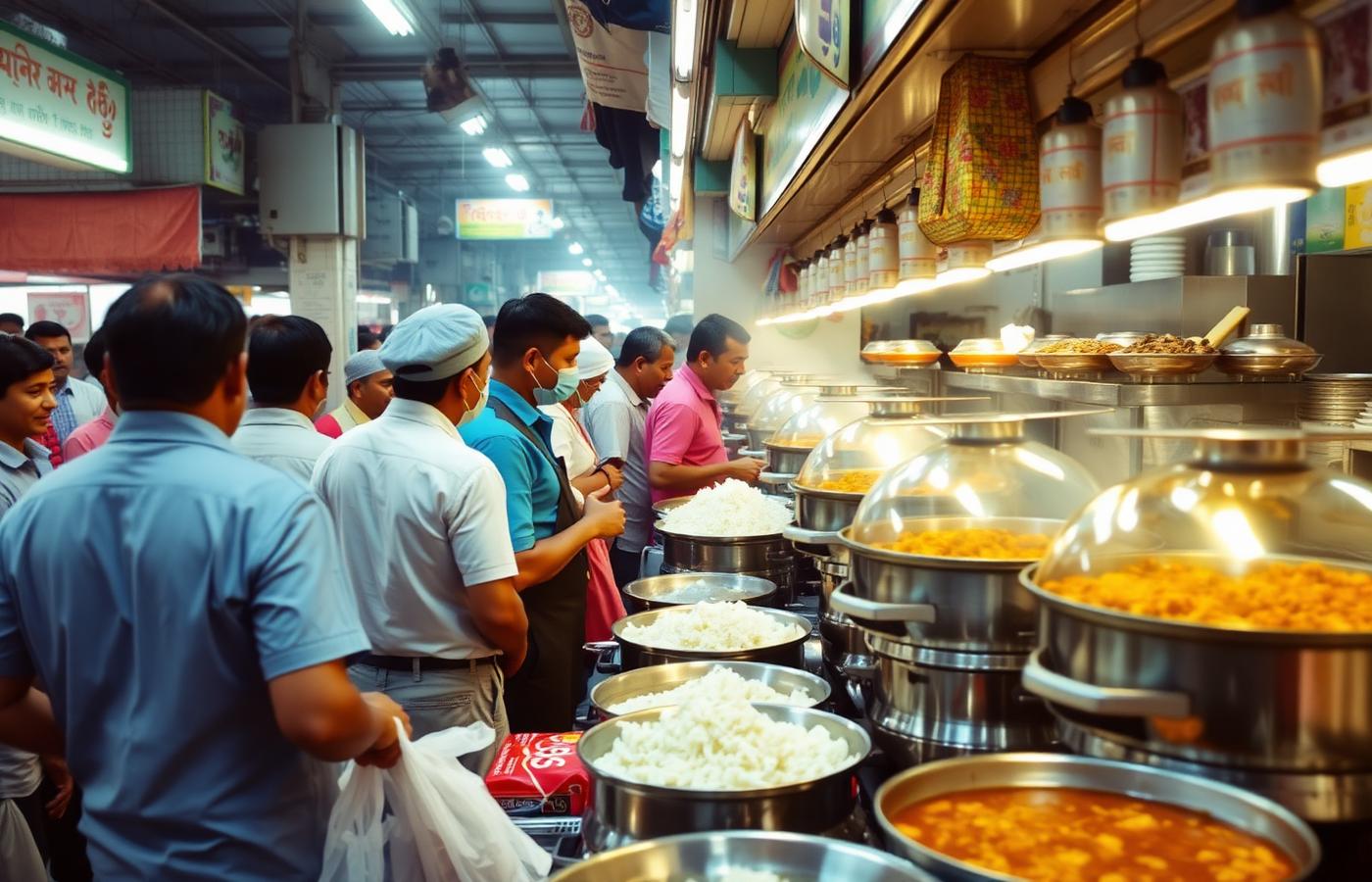
If a salad has been washed in local tap water and not dried, it carries the same risk as drinking the water directly. Stick to fruits you can peel yourself, such as bananas, oranges, or mangoes. When it comes to drinks, ask for no ice unless you are certain it has been made from purified water. Many vendors in tourist areas use commercially produced ice with holes in the middle, which is generally safer, but if in doubt, stick to bottled or canned beverages.
Condiments and Cutlery
Open containers of sauces or chutneys that sit on tables all day are breeding grounds for flies and bacteria. If a condiment looks like it has been sitting in the sun or has crusty edges, avoid it. Use single-use packets if available, or stick to sauces that are cooked, such as hot chilli oils.
For cutlery, many budget travellers carry a small reusable set. If you use the stall’s utensils, check they are dry. If they have just been dipped in a bucket of murky water and wiped with a grey cloth, they are likely not clean. Wiping your own cutlery with a sanitising wipe or using disposable wooden chopsticks can be a safer alternative.
Assessing the Environment
While you do not need a clinical environment, the general cleanliness of the stall matters. Are there heaps of rubbish nearby? Are there many flies landing on the raw ingredients? Is the vendor wearing an apron that looks like it hasn't been washed in weeks? These small visual cues help you build a picture of the vendor’s standards.
When you learn how to find authentic local food while travelling, you will notice that the best spots are often simple but tidy. A vendor who takes pride in a clean workspace is likely to take pride in the safety of their food.
The Budget Factor
Eating street food is an excellent way to keep your daily spending down. If you are using a travel budget calculator to plan your trip, you will find that street food can cost a fraction of a sit-down meal.
For a hypothetical planning example, if a restaurant meal costs £12 and a street food portion costs £3, eating two street food meals a day instead of dining in could save you £18 daily. Over a 14-day trip, that is a saving of £252. However, this saving is only effective if you stay healthy. The cost of a GP visit or a lost day of travel far outweighs the price of a cheap meal. Always check current local costs as these figures vary wildly by region.
Recognising Symptoms and When to Act
Even with the best precautions, stomach upsets can happen. It is important to know the difference between mild discomfort and a situation requiring medical attention.
According to the NHS, food poisoning symptoms typically include nausea, diarrhoea, vomiting, stomach cramps, and a high temperature. Most cases can be managed with rest and hydration. However, the NHS advises seeking urgent medical help if you have symptoms such as blood in your stools, persistent vomiting that prevents you from keeping fluids down, or signs of severe dehydration.
Dehydration is a significant risk when you are ill in a hot climate. Key signs include dizziness, dark yellow urine, and feeling unusually tired. If you are travelling solo, ensure you have a supply of oral rehydration salts in your bag and notify someone (like your hostel staff) if you feel significantly unwell.
Travel Insurance Considerations
Before you rely on your insurance for a food-related illness, read the fine print. Most policies cover emergency medical treatment, but they often have high excesses. Some may exclude claims if you have ignored official government travel advice for a specific region. Always check your specific policy wording to see what is covered regarding clinic visits and medication.
Health Note
This article provides general guidance for healthy travellers and is not a substitute for professional medical advice. Always consult a clinician or a travel clinic before your trip to discuss vaccinations and personal health requirements. If you become ill while abroad, seek professional medical assessment rather than attempting to self-diagnose.
Frequently Asked Questions
Is street food safer in the morning or evening? It depends on the dish. Breakfast stalls often prepare food fresh for the morning rush. However, evening markets in many cultures have the highest turnover of customers, meaning the food is frequently cooked to order. The key is to avoid "dead time" between meals when food might sit out for several hours.
Should I avoid meat entirely to be safe? Not necessarily. Meat that is grilled at high temperatures (like satay or kebabs) is often very safe. The risk usually comes from meat that has been stewed for long periods at low temperatures or meat that is served rare. If you are concerned, sticking to vegetarian options like freshly fried noodles or vegetable tempura can reduce the risk of certain types of bacterial contamination.
Is it safe to eat street food in best travel destinations for first time travellers? Yes, many popular first-time destinations like Thailand or Vietnam have highly developed street food cultures with relatively high standards. For a first-timer, start with stalls that are part of a permanent "hawker centre" or an organised food court, as these often have access to running water and regular health inspections.
What should I do if I see a vendor wash dishes in a bucket? This is a red flag. If there is no running water, it is difficult to properly sanitise plates and cutlery. In these cases, it is safer to ask for your food to be served in a disposable paper container or to use your own travel utensils. If the hygiene of the washing process looks doubtful, it is best to find another stall.