
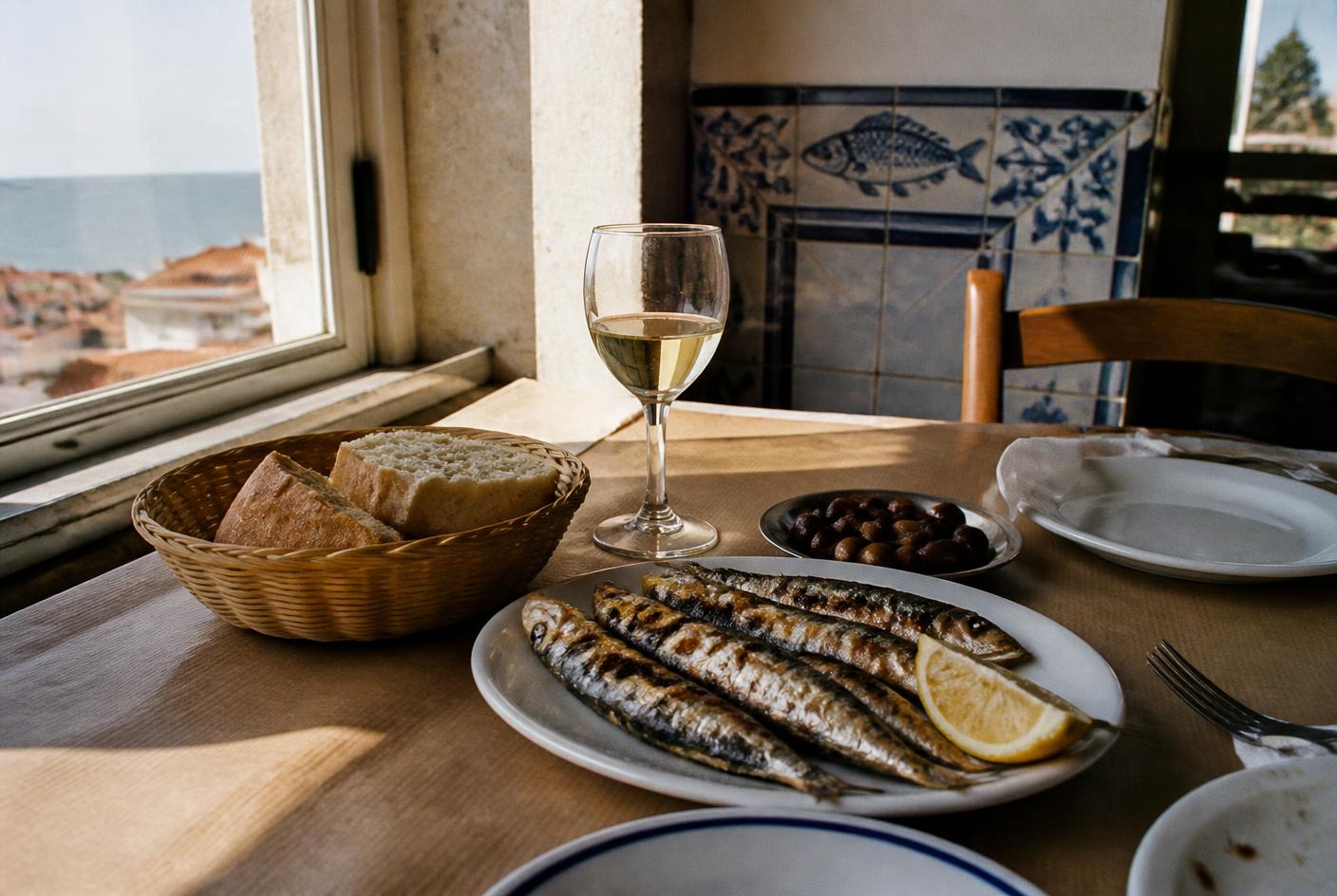
Price note:** All figures in this draft are hypothetical planning examples, not current quotes or receipts. Check live prices and exchange rates before.
Price note: All figures in this draft are hypothetical planning examples, not current quotes or receipts. Check live prices and exchange rates before publishing.
Lisbon is a city that frequently tops lists of the best countries for food tourism because it manages to balance high-quality ingredients with accessible pricing. While the central districts of Baixa and Chiado have seen rising costs, the city remains one of Western Europe’s most affordable capitals for solo travellers on a budget. Finding a filling, nutritious meal for under £10 is entirely possible if you step away from the primary tourist thoroughfares and look for signs indicating a "Prato do Dia" (Plate of the Day).
The primary strategy for eating cheaply in Lisbon involves timing and location. Lunch is the main event for locals, usually served between 12:30 and 15:00. This is when the best value set menus appear. If you are using a trip cost calculator to plan your daily spend, allocating the bulk of your food budget to lunch allows you to eat like a king for a fraction of the evening price.
The Bifana: Lisbon’s Ultimate Budget Fuel
The bifana is perhaps the most iconic example of Portuguese efficiency. It consists of thin slices of pork marinated in garlic, spices, and white wine, served in a crusty bread roll. It is simple, fast, and remarkably cheap.
For a traditional experience, head to As Bifanas do Afonso in the Baixa district. There is rarely seating; you simply order at the counter and eat on the pavement. Another reliable spot is Beira Gare near Rossio Station. The prices at either venue may change. Check the menu on arrival and do not rely on an under £10 total.
When ordering, you will often see mustard and piri-piri oil on the counter. Use these sparingly. The acidity of the mustard cuts through the richness of the pork, while the oil adds a necessary heat. This is a staple of famous street foods around the world and serves as a perfect mid-day refuel while climbing Lisbon’s steep hills.
Finding the Prato do Dia
The "Prato do Dia" is the backbone of Portuguese budget dining. Small, family-run restaurants known as tascas display these daily specials on handwritten paper menus taped to the window or on a chalkboard outside.
A typical Prato do Dia often includes a main course of grilled fish or meat, served with rice, potatoes, and a small salad. In many traditional neighbourhoods like Graça or Arroios, these plates are priced between £7 and £9.
A Merendinha do Arco near Rossio is a classic example of this style. It is often packed with locals, and you may be asked to share a long wooden table. The menu focuses on charcoal-grilled fish and hearty stews. Choosing the daily special ensures the ingredients are fresh and the service is quick.
Hypothetical Planning Example: The Tasca Lunch
To help with your travel budget calculator, consider this hypothetical breakdown:
- Prato do Dia (Main dish): £7.50
- Small bottle of water or house wine: £1.50
- Espresso (Bica): £0.70
- Total: £9.70
Note: Always check current menu prices upon arrival as costs fluctuate based on seasonality and inflation.
Pastelarias and Savoury Snacks
If you are not hungry enough for a full sit-down meal, Lisbon’s pastelarias offer an array of savoury snacks called salgados. These include pastéis de bacalhau (salt cod fritters), empadas (small pies), and rissóis (crescent-shaped breaded pastries).
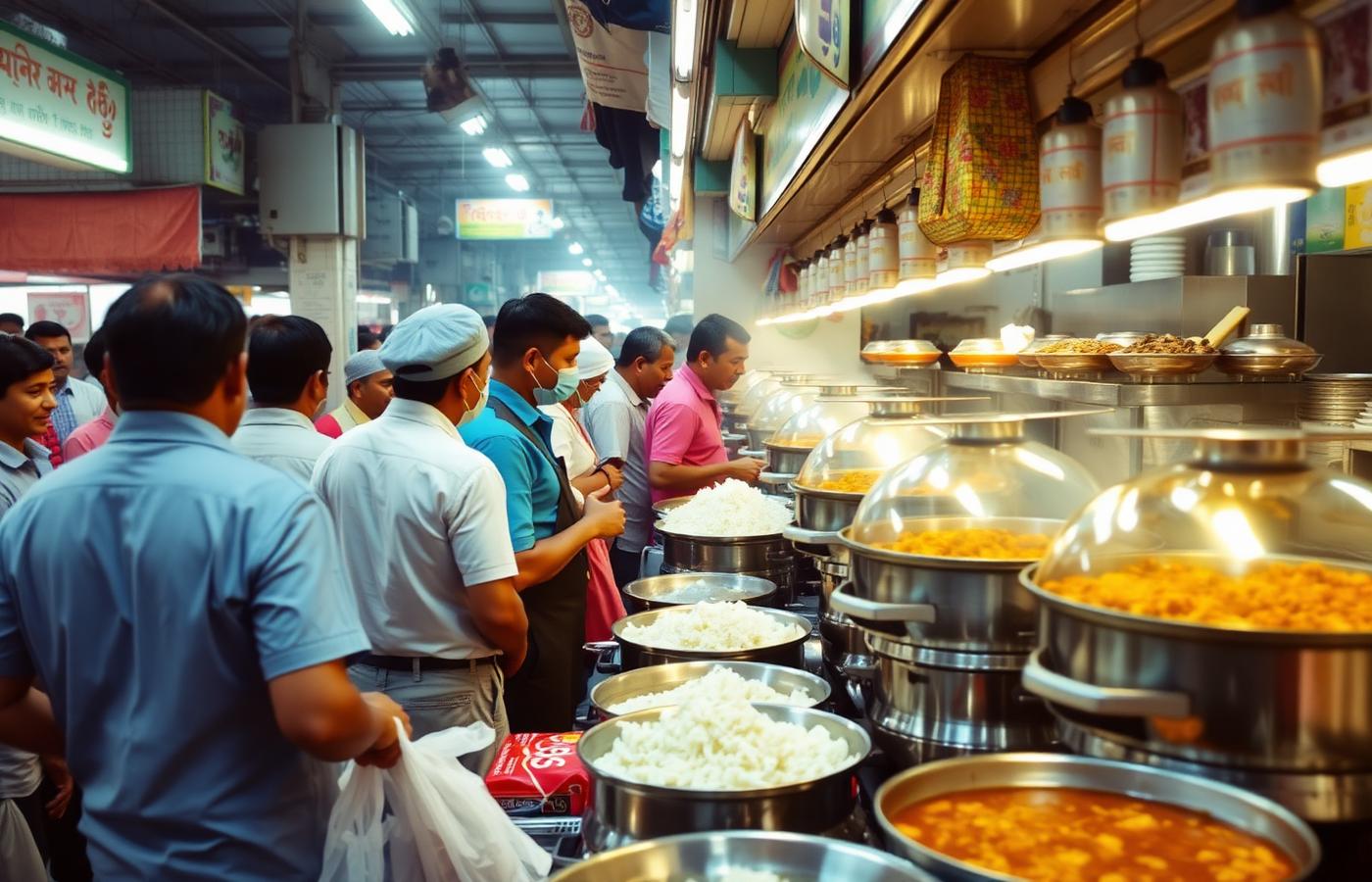
Pastelaria Santo António or any local bakery in the residential streets of Alfama may have these on the menu. Two or three of these snacks combined with a fresh orange juice usually costs under £8. This is a practical way to manage hunger while exploring, especially for first time travellers who might be overwhelmed by the formal dining culture.
The Cervejaria Experience on a Budget
While famous seafood houses (cervejarias) can be expensive, you can still enjoy the atmosphere by ordering strategically. Instead of a full platter of lobster or tiger prawns, look for Prego no Pão. This is the steak version of the bifana.
Cervejaria Ramiro is world-famous, but the queues are long. Instead, try Cervejaria do Desterro. Check the menu before ordering: a prego and any couvert may exceed £10. Be aware that in Portugal, the bread, olives, and cheese placed on your table at the start of a meal are not free. If you eat them, you will be charged. If you do not want them, simply ask the waiter to take them away or leave them untouched.
Vegetarian and Modern Alternatives
Lisbon’s food scene has evolved, and finding affordable meat-free options is easier than it used to be. The Food Temple in Mouraria offers smaller tapas-style vegan dishes. While a full dinner might exceed your limit, a couple of small plates often fit the budget.
For a more substantial meal, Jardim das Cerejas in Chiado offers a vegan buffet lunch. While prices for buffets have risen, they often hover right around the £10 mark, providing excellent value for solo travellers who need a break from the bread-and-meat heavy traditional diet. Learning how to find authentic local food often involves looking for these hidden courtyards and side streets where rent is lower and portions are larger.
Practical Tips for Budget Dining in Lisbon
1. Avoid "Tourist Menus": Any sign that says "Tourist Menu" in English, accompanied by photos of food, is generally overpriced and of lower quality. 2. Drink the House Wine: Ordering a "vinho da casa" is significantly cheaper than a branded bottle and is usually of a decent standard. 3. Stand at the Counter: In many cafes, the price for a coffee or snack is lower if you consume it standing at the bar rather than sitting at a table. 4. Check the Couvert: As mentioned, the appetizers brought to your table are not complimentary. Check the prices on the menu to avoid surprises. 5. Look for the "Dose": Some restaurants offer a "meia dose" (half portion). In Portugal, a full portion is often large enough for two people. A half portion is usually plenty for a solo traveller and costs about 60-70% of the full price.

Health and Safety While Eating
Portuguese food standards are generally high, and tap water in Lisbon is safe to drink. However, travellers should be mindful of general food hygiene.
Health note: This guide provides general information and is not a substitute for professional medical advice. If you experience symptoms of severe food poisoning, such as persistent vomiting, high fever, or bloody stools, seek medical attention immediately. For urgent but non-life-threatening issues, visit a local pharmacy (farmácia) or a public health centre (centro de saúde).
Travel insurance is essential. Ensure your policy covers medical emergencies and check the specific wording for exclusions related to pre-existing conditions or specific activities. British citizens should carry a valid GHIC or EHIC card, but this is not a replacement for comprehensive travel insurance. Always check the latest official UK government travel advice for Portugal regarding entry requirements and safety.
Frequently Asked Questions
Is it customary to tip in Lisbon? In casual tascas and for cheap eats under £10, tipping is not mandatory. However, rounding up to the nearest Euro or leaving a few small coins (around 5%) is a polite gesture if the service was good. In more formal restaurants, 10% is standard, but always check if a service charge is already included.
What are the typical meal times in Lisbon? Lunch usually runs from 12:30 to 15:00. Many kitchens close between 15:30 and 19:00, so if you are looking for a hot meal in the late afternoon, you might be limited to pastelarias and snack bars. Dinner starts late, typically from 19:30 or 20:00 onwards.
Can I find gluten-free cheap eats? Traditional Portuguese cuisine relies heavily on grilled meats and fish, which are naturally gluten-free. However, be careful with stews, which may use flour as a thickener, and avoid the salgados (breaded snacks). Rice and potatoes are the standard sides, making it relatively easy to eat safely on a budget if you communicate your needs clearly.
Is tap water free in restaurants? While tap water is safe, restaurants are not legally required to provide it for free, and most will encourage you to buy bottled water. If you specifically ask for "água da torneira," they may provide a glass, but it is not as common as in the UK or USA.
Before publishing
Editor Note: The editor must verify all current prices, opening hours, and venue accessibility before publication. Ensure that the latest entry requirements for Portugal are checked via official government sources. Please add genuine firsthand photographs and receipts from the specific venues mentioned if they become available. All hypothetical cost examples should be updated with real-time data at the point of final review. Verify that the visa-free status for UK citizens (for stays up to 90 days in a 180-day period) remains accurate for the October 2026 travel window.