
Portugal offers some of the best value for money in Western Europe, particularly for solo travellers who want to eat well without draining their savings.
Portugal offers some of the best value for money in Western Europe, particularly for solo travellers who want to eat well without draining their savings. The food culture is built on simplicity, fresh ingredients, and a deep connection to the Atlantic Ocean. This guide breaks down the essential dishes, the structure of Portuguese mealtimes, and how to manage your daily food budget effectively.
The Short Answer: Budgeting for Portugal
For a solo traveller in 2026, a daily food budget can vary significantly based on your choices. A frugal day involving a bakery breakfast, a fixed-price lunch, and a supermarket dinner might cost around €20 to €25. A mid-range day with a sit-down dinner and wine typically falls between €45 and €60.
To get an idea of how these costs fit into your overall trip, you can use a Travel Budget Calculator to factor in accommodation and transport alongside your meals.
Essential Portuguese Dishes to Try
Portuguese cuisine is regional, but several staples appear across the country. Understanding these helps you avoid overpriced tourist menus and find the heart of the local kitchen.
Seafood and Fish
Codfish, or Bacalhau, is the national obsession. Local lore suggests there are 365 ways to cook it. Look for Bacalhau à Brás, which consists of shredded cod, onions, and thinly fried potatoes bound together with scrambled eggs and topped with olives.
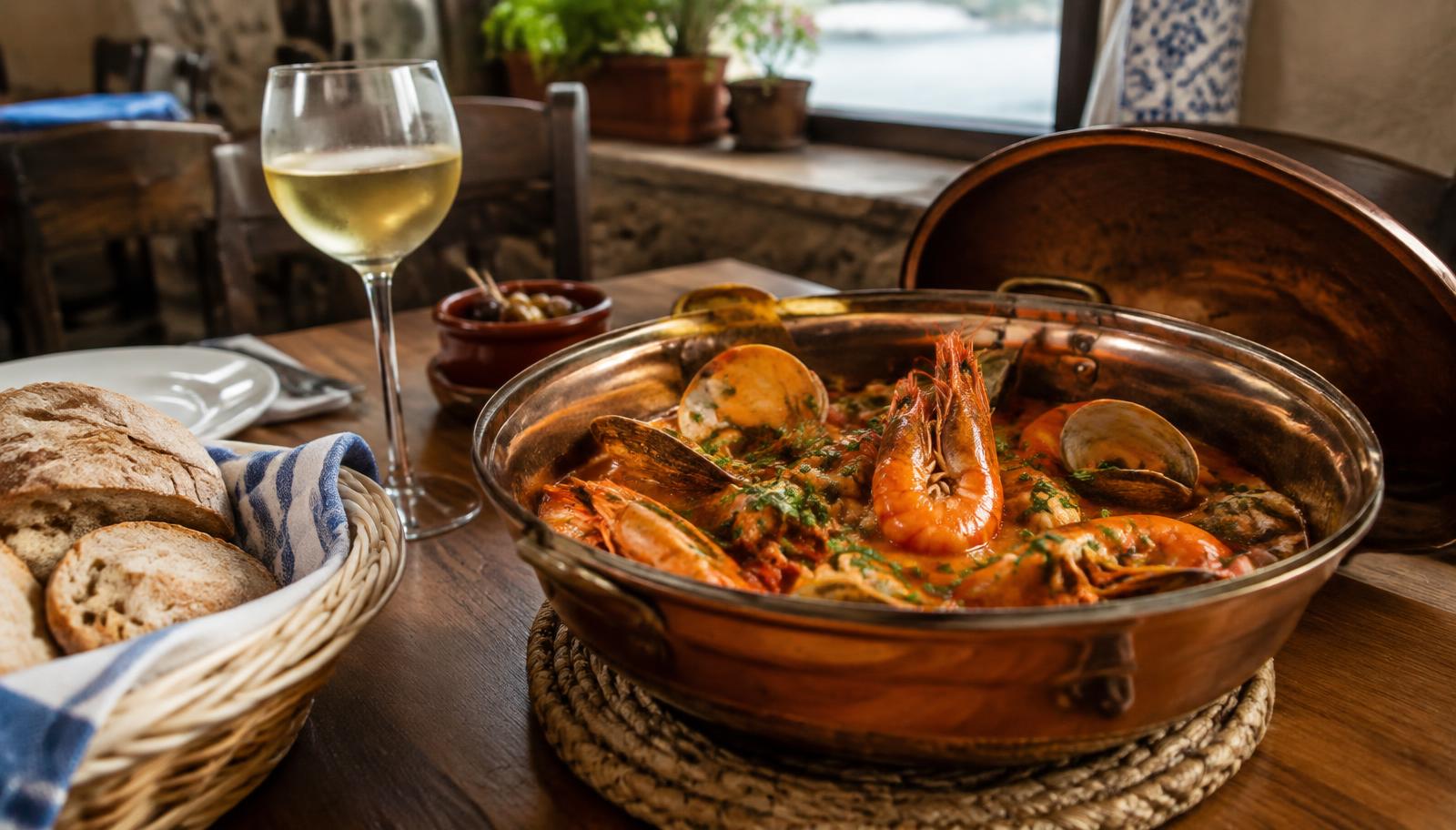
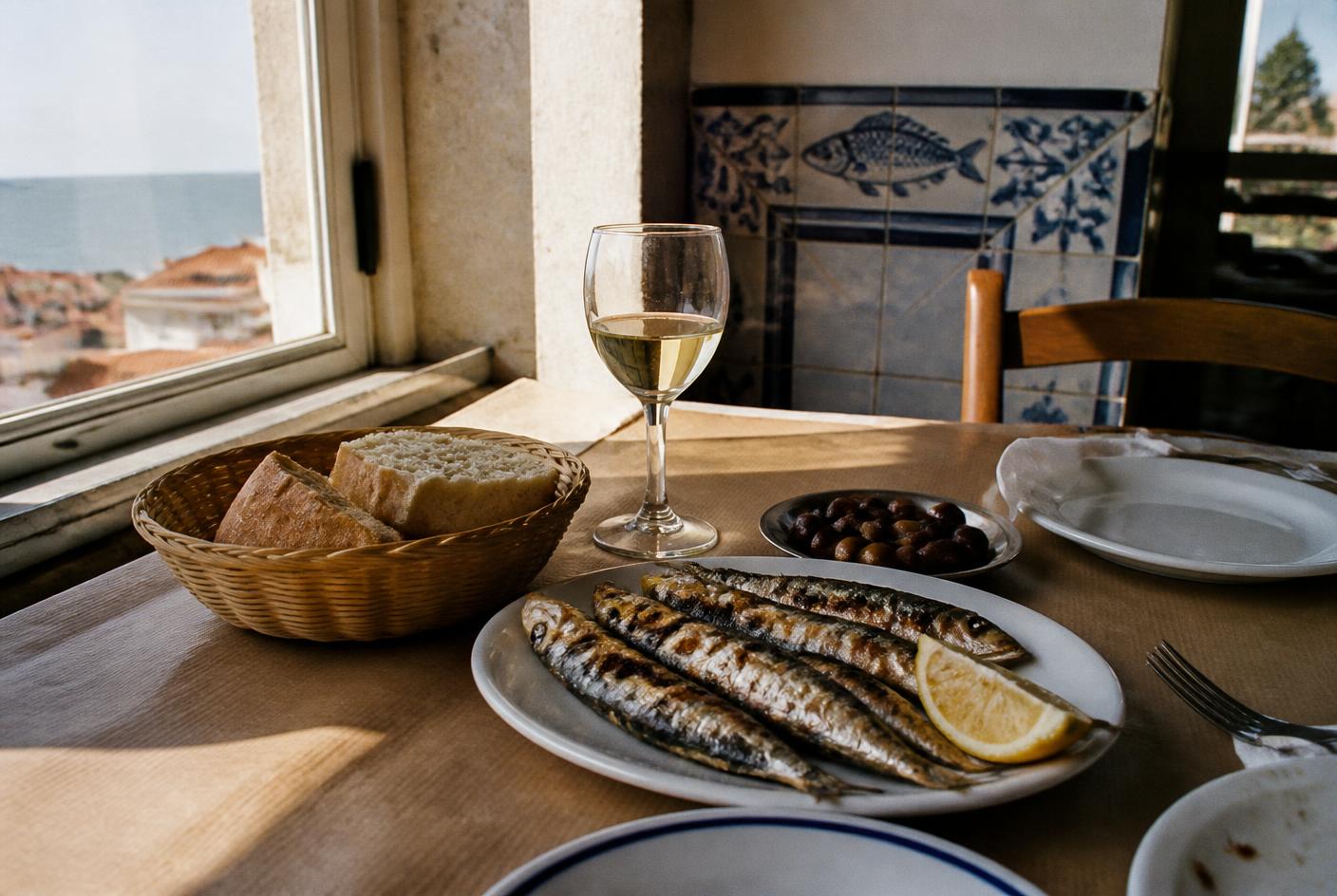
Grilled sardines (Sardinhas Assadas) are a seasonal highlight, particularly in June, but available throughout the warmer months. For a hearty meal, Arroz de Marisco is a rich seafood rice, often served in a clay pot, packed with prawns, clams, and mussels.
Meat and Hearty Mains
In the north, particularly Porto, the Francesinha is a must. It is a sandwich layered with various meats, covered in melted cheese, and smothered in a hot tomato and beer sauce. It is extremely filling and often serves as a primary meal for the day.
Frango no Churrasco (piri-piri chicken) is a reliable budget staple. Unlike the versions often found in the UK, the Portuguese original focuses on the quality of the charcoal grill and a subtle, building heat rather than an overwhelming spice.
The Pastel de Nata
No guide is complete without the custard tart. While many flock to Belém in Lisbon, excellent versions are found in almost every pasteleria across the country. A good tart should have a flaky, crisp pastry and a slightly scorched top.
Where to Eat: The Different Venues
Knowing where to go at specific times of the day is the best way to save money and eat authentically.
1. Pastelaria/Padaria: These are bakeries and pastry shops. They are the hub of Portuguese morning life. You can get a galão (milky coffee) and a toastie or pastry here for a few Euros. 2. Tascas: Small, often family-run taverns. These are the gold mines for budget travellers. They serve honest, traditional food at lower prices than standard restaurants. 3. Mercados: City markets like those in Lisbon or Porto often have a mix of traditional stalls and modern food halls. While the food halls are trendy, the smaller stalls around the edges often provide better value. 4. Canteens: Often found in universities or public buildings, these are open to the public and offer the cheapest sit-down hot meals available.
Learning how to find authentic local food while travelling is particularly useful in Portugal, where the best meals are often behind unassuming, brightly lit doors rather than under fancy awnings.
Understanding the Couvert
When you sit down at a restaurant, waiters often bring small dishes of bread, olives, cheese, and sometimes tinned fish or pâté. This is not free. This is the couvert. If you eat it, you will be charged for each item. If you do not want it, simply say "no thank you" or leave it untouched. It is a common point of confusion for first-time visitors, but it is not a scam; it is a standard part of Portuguese dining culture.
Hypothetical Planning Example: A Day of Eating
To help you plan, consider this hypothetical cost breakdown for a solo traveller. Prices vary by city, with Lisbon and the Algarve being more expensive than central or northern rural areas.
- Breakfast: A coffee and a tosta mista (ham and cheese toastie) at a local bakery: €4.50.
- Lunch: Prato do Dia (Plate of the Day) including a main, a drink, and a coffee: €12.00.
- Afternoon Snack: A pastel de nata and a small espresso: €2.50.
- Dinner: A main course of grilled fish with a glass of house wine and a dessert in a mid-range tasca: €22.00.
- Total: €41.00.
If you are trying to cut costs, prioritising a large lunch over a formal dinner can save you significant money. Many locals do exactly this. You can check your total expected expenditure using a Trip Cost Calculator before you depart.
Drinking in Portugal
Portugal is one of the best countries for food tourism partly because the wine is exceptionally affordable.
- Vinho Verde: A young, slightly effervescent "green" wine from the north. It is crisp, low in alcohol, and perfect for seafood.
- Port: While usually associated with Porto, you can find various styles (Rubi, Tawny, White) across the country.
- Ginjinha: A sour cherry liqueur often served in a small chocolate cup. It is a popular street drink in Lisbon and Óbidos.

Tradeoffs: Street Food vs. Sit-down Meals
Portugal does not have a massive "on-the-go" street food culture compared to Southeast Asia, but there are exceptions. The Bifana (a pork steak sandwich marinated in garlic and spices) is a classic famous street food that provides a quick, cheap, and filling meal.
The tradeoff for a solo traveller is that sit-down dining is a huge part of the social fabric. Eating alone in a tasca is perfectly normal and a great way to observe local life. If you prefer to eat quickly to see more sights, stick to the bifanas and bakeries.
Practical Tips for Solo Diners
- Timing: Lunch is usually between 12:30 and 15:00. Dinner starts late, often after 19:30. If you show up at 18:00, you might find the kitchen closed.
- Half Portions: Many restaurants offer meia dose (half portion). For a solo traveller, a full portion is often enough for two people. Always ask if a half portion is available to save money and reduce waste.
- House Wine: Asking for vinho da casa is almost always the best value and usually of very good quality.
Portugal is a fantastic choice for those looking at the best destinations for first time travellers because it is safe, relatively easy to navigate, and the food culture is welcoming.
Health Note
This guide provides general information about food and travel and does not constitute medical advice. When travelling, be aware of food hygiene, especially in high temperatures. If you experience severe gastrointestinal distress, persistent vomiting, high fever, or signs of dehydration, seek medical attention immediately. Consult a clinician or pharmacist for advice on travel-related illnesses.
Before you travel, check the official UK government advice for Portugal regarding health, safety, and entry requirements: https://www.gov.uk/foreign-travel-advice/portugal.
Insurance Caveats
Ensure your travel insurance covers food-related illnesses or emergencies. Check your policy wording for exclusions, particularly regarding pre-existing conditions or specific activities. Keep in mind that insurance does not usually cover "change of mind" or general dissatisfaction with travel arrangements.
Frequently Asked Questions
Is tap water safe to drink in Portugal? Yes, tap water is generally safe to drink in all urban and tourist areas of Portugal. It may taste slightly different due to mineral content, but it meets safety standards. If you are in a very remote rural area with older piping, you might prefer filtered or bottled water, but for most travellers, tap water is fine.
How do I handle tipping in restaurants? Tipping is not mandatory in Portugal, but it is appreciated. In casual tascas, rounding up to the nearest Euro is common. In more formal restaurants, a tip of 5% to 10% is generous. If a service charge is already included in the bill (which is rare), no further tip is expected.
Are there options for vegetarians and vegans? Traditional Portuguese cuisine is very meat and fish-heavy. However, in major cities like Lisbon, Porto, and Faro, the vegetarian and vegan scene is growing rapidly. Look for "Restaurante Vegetariano" signs. In traditional places, you can often find Sopa de Legumes (vegetable soup), but always double-check it wasn't made with meat stock.
Do I need to book tables in advance? For popular city-centre restaurants or famous seafood spots on weekends, booking is highly recommended. However, for everyday dining at tascas or bakeries, you can usually just walk in. If you are dining alone, you can often find a spot at the bar or a small table even during busy periods.