
Solo travel provides a level of autonomy that group tours cannot match. However, the lack of a second pair of eyes means you must be your own safety.
Solo travel provides a level of autonomy that group tours cannot match. However, the lack of a second pair of eyes means you must be your own safety officer. Practical solo safety relies on reducing your profile as a target and maintaining communication channels that work when technology fails.
The most effective solo travel safety strategy is a tiered approach: physical security of your person, digital redundancy for your data, and psychological awareness of your surroundings. Before you leave, check the latest official guidance for your destination at GOV.UK Foreign Travel Advice.
The Foundation of Solo Security
Safety starts before you land. When you arrive in a new city, your highest risk window is the transition between the airport or station and your accommodation. Fatigue makes you less observant. To mitigate this, always aim to arrive during daylight hours. If a flight lands at 11:00 PM, consider staying in an airport hotel rather than attempting to find a specific hostel or apartment in the dark.
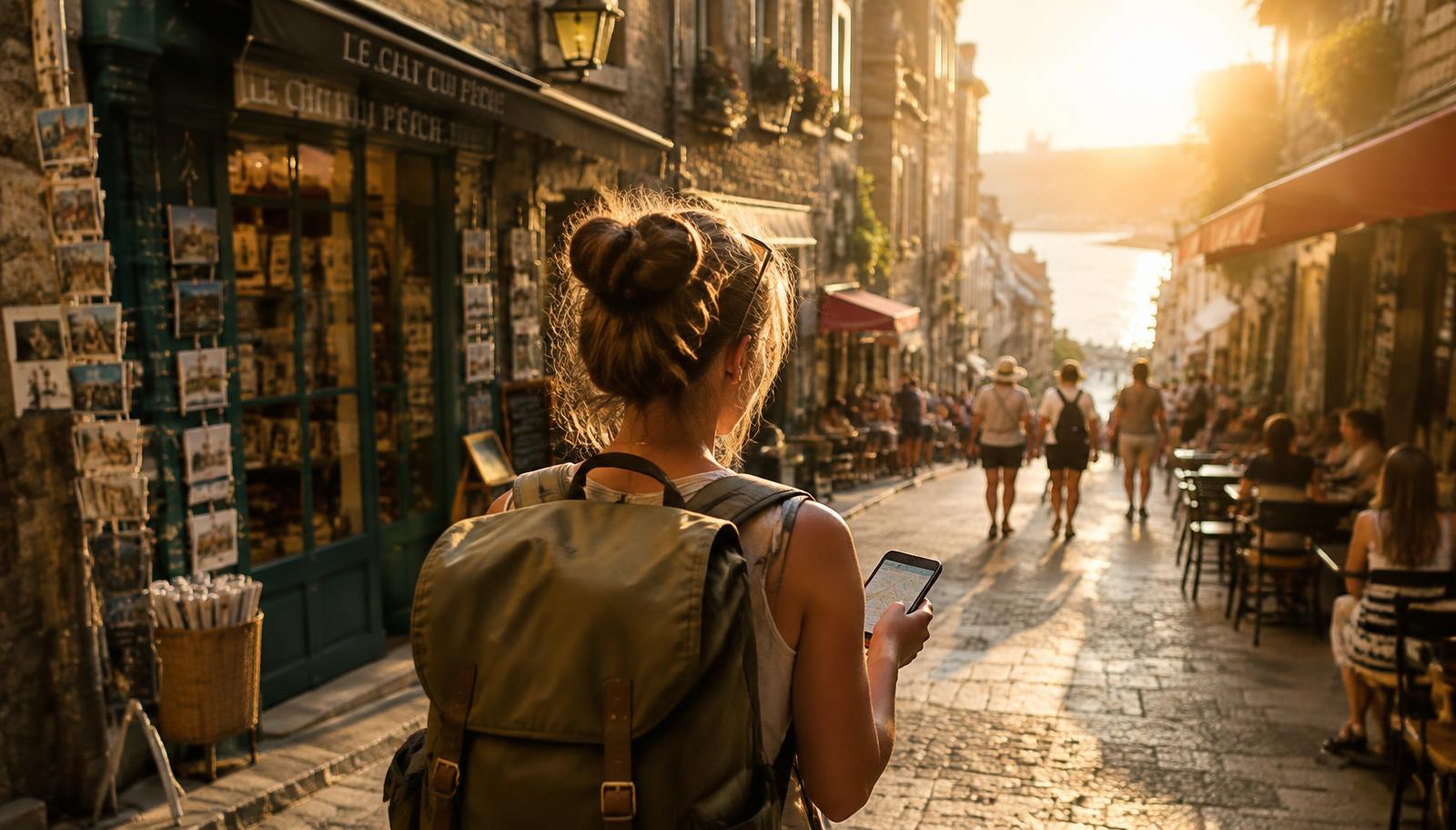
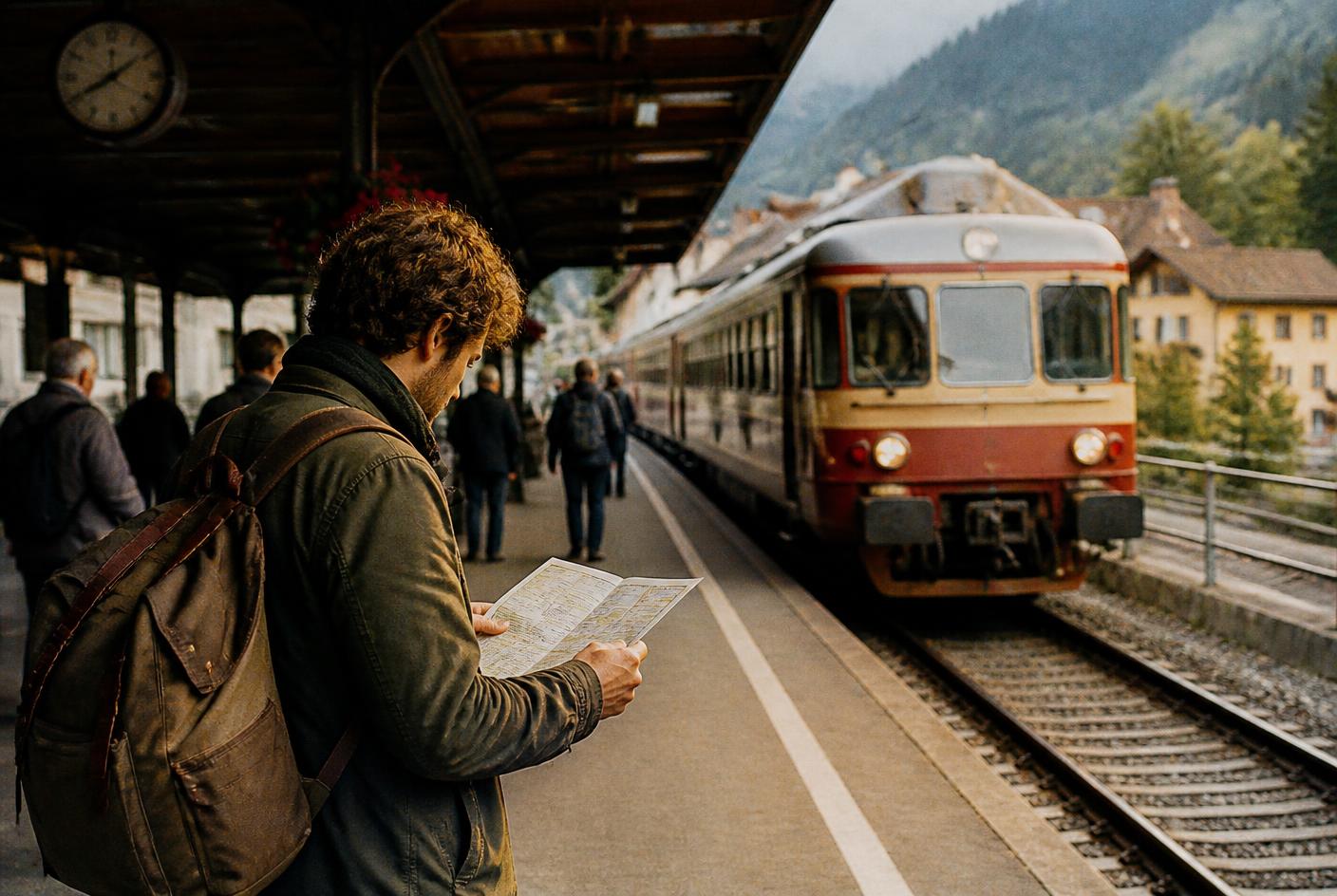
Confidence is a deterrent. If you are lost, do not stand on a street corner staring at a large physical map or a phone screen for several minutes. Step into a cafe, a shop, or a hotel lobby to reorient yourself. This simple act removes you from the flow of the street where pickpockets look for distracted targets.
Redundancy is Not Optional
If you lose your phone as a solo traveller, you lose your map, your bank, and your flight tickets. You must have a physical backup. Carry a printed sheet in a waterproof sleeve containing:
- The address and phone number of your accommodation.
- A photocopy of your passport photo page.
- Emergency contact numbers for your bank and insurance provider.
- The address of the nearest British Embassy or Consulate.
Split your finances. Never keep all your cash and cards in one wallet. Keep one card and a small amount of local currency in a hidden pocket or a separate bag. If your primary wallet is stolen, you still have the means to reach your hotel and call for help. Using a Travel Budget Calculator can help you estimate how much emergency cash you should keep separate based on your planned daily spend.
Digital Safety and Communication
Technology is your greatest tool, provided it is set up correctly. Download offline maps for every city you visit. Signal can be patchy in old buildings or remote areas, and having a map that works without data is vital. Refer to our guide on the Best Travel Apps Every Traveller Should Download to find reliable offline navigation tools.
Use a "Check-in" system with someone at home. Establish a routine where you send a quick message every 24 or 48 hours. Give them a copy of your itinerary but explain that plans might change. If you miss a check-in, they know exactly where you were last and which direction you were headed.
Accommodation Safety Choices
When booking, read reviews specifically from other solo travellers. Look for mentions of "well-lit streets" and "secure entry."
Upon arrival, check the door locks immediately. If you are staying in a hostel, ensure they provide lockers. A simple rubber door wedge is a lightweight addition to your bag that provides an extra layer of security for hotel room doors from the inside.
If you are unsure what to pack for security versus comfort, a Carry On Packing List for International Travel provides a balanced framework for keeping your belongings manageable. A smaller, lighter bag makes you more mobile and less likely to need help from strangers, which is a common setup for opportunistic theft.
The Psychology of Interaction
Solo travellers often want to meet new people, which is one of the joys of the road. However, you are under no obligation to be "polite" if someone makes you uncomfortable. Trust your intuition. If a situation feels off, leave.
When talking to strangers, you do not need to disclose that you are travelling alone or where you are staying. It is perfectly acceptable to mention a "friend meeting you for dinner" or that your "partner is back at the hotel." This suggests someone is expecting you, which reduces your perceived vulnerability.
Managing Health and Wellbeing
Travelling alone means you are the only one who can monitor your health. Minor issues can escalate if you are dehydrated or exhausted. If you feel unwell, do not try to "push through" a heavy sightseeing day. Rest early.
Health note: This information is for general guidance only and does not constitute medical advice. If you experience urgent symptoms such as persistent high fever, severe abdominal pain, or breathing difficulties, seek immediate assistance from a local clinician or emergency service. Always verify which vaccinations or health precautions are required for your destination via official sources before departure.
Travel insurance is essential, but it is not a blanket guarantee. Read your policy wording carefully. Many policies exclude "unattended" items, meaning if you leave your bag on the seat next to you in a cafe and it is stolen, they may not pay out. Check the specific requirements for reporting thefts to local police, as most insurers require a police report number within 24 hours.
Hypothetical Budgeting for Safety
Safety sometimes carries a financial cost. Choosing a taxi over a night bus or picking a hotel in a central, well-lit area rather than a remote suburb can increase your costs.
For a hypothetical planning example:
- Accommodation A (Remote, poorly lit): £40 per night.
- Accommodation B (Central, 24h reception): £65 per night.
- Total difference for a 5-night stay: (65 - 40) x 5 = £125.
While £125 is an additional expense, the reduction in risk and the saving on late-night transport costs often make the central option more economical and safer. You can use a Trip Cost Calculator to weigh these tradeoffs during your planning phase.
Practical Steps for Arrival
1. Local SIM Card: Get connected immediately. Whether you use an e-SIM or a physical local card, having data allows you to call a ride-share or check a map without hunting for public Wi-Fi. 2. Transport Apps: Use regulated ride-share apps rather than hailing street taxis where possible. These apps track the journey via GPS and provide the driver’s details. 3. Day Bag Security: Wear your bag across your body, not just on one shoulder. In crowded markets or on public transport, pull the bag to your front.
Learning the Things Nobody Tells You Before Travelling Abroad can help you anticipate these logistical hurdles before they become safety issues.
Solo Travel Safety FAQs
Is it safe to tell people I am travelling alone? Generally, it is better to be vague. While most people you meet are well-intentioned, there is no benefit to advertising that no one will notice if you don't return to your room. If asked, you can say you are meeting friends later or that you are part of a larger group that has split up for the afternoon.
What should I do if I feel I am being followed? Do not head back to your accommodation, as this reveals where you live. Walk into a busy, brightly lit public place like a supermarket, a hotel lobby, or a police station. If the person follows you inside, approach staff immediately and clearly state the situation.
How do I handle evening meals safely as a solo traveller? Choose restaurants on busy streets rather than tucked-away alleys. Dining earlier in the evening when there are more families and commuters around can feel more secure. If you are uncomfortable walking back late, use a reputable ride-share app even for short distances.
Should I use a money belt? Money belts are useful for transit days when you are carrying all your valuables between cities. However, they can be cumbersome for daily use. A better approach for daily sightseeing is to use a secure cross-body bag and only carry the cash and cards you need for that day, leaving the rest in a secure locker or safe at your accommodation.
Final Preparations
Solo travel is not inherently dangerous, but it requires a more disciplined approach to personal security. By setting up redundancies, staying aware of your environment, and trusting your instincts, you can focus on the experience rather than the risks. For a structured approach to your first solo departure, see How to Plan Your First International Trip Step by Step.
Before publishing: The editor must verify the current travel advice for specific regions, check that all internal links are functioning, and ensure any mentioned apps are still available and supported. Prices and exchange rates used in hypothetical examples must be updated to reflect the date of publication. Genuine firsthand photos or receipts should be added only if they are available from an authenticated source.
***
Before publishing
Editor: verify changing prices, dates, routes, entry or visa rules against official sources. Add genuine firsthand photos and receipts only if available. Confirm the examples and sources before release.