
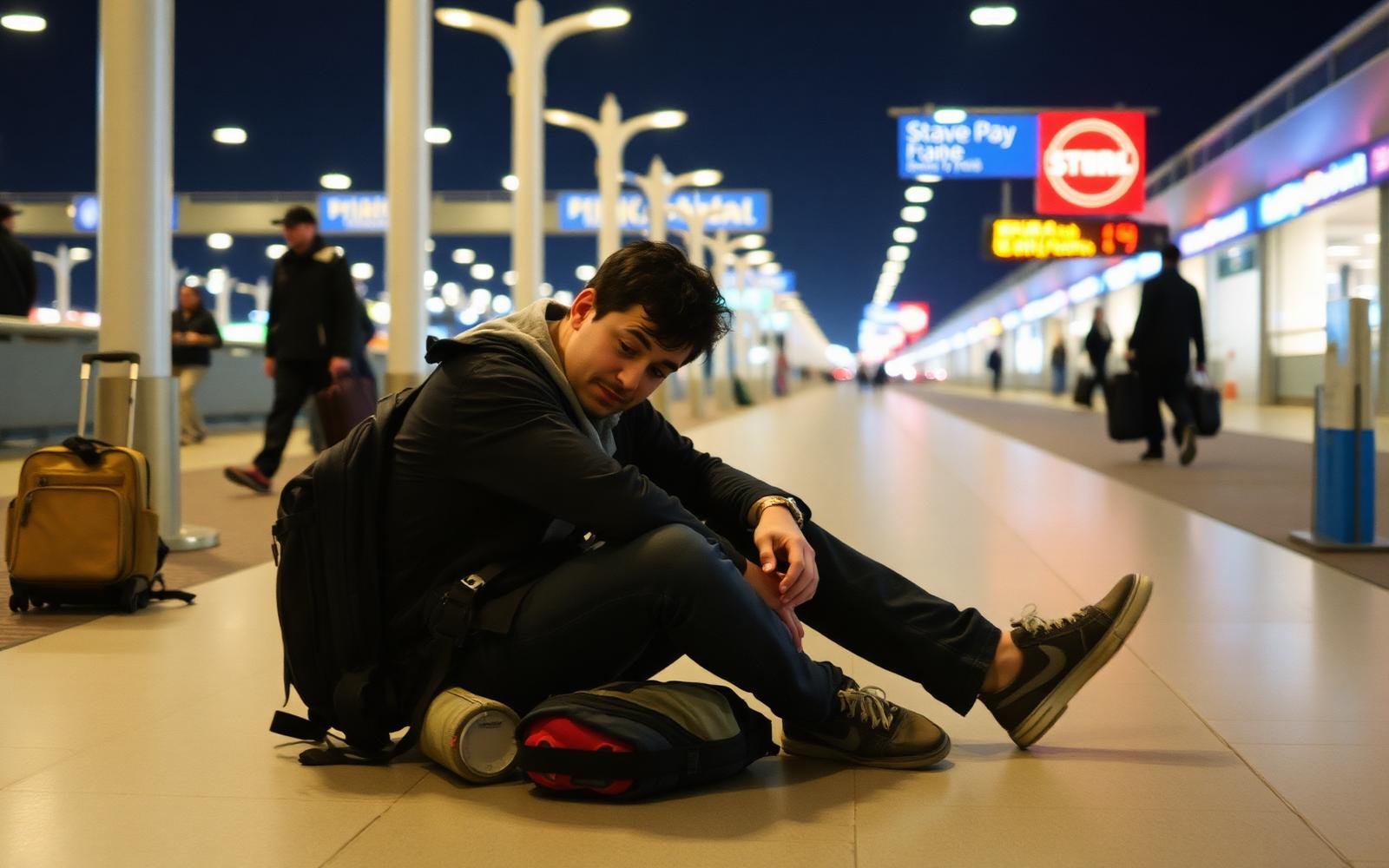
International travel tips about the parts nobody photographs. Border rules, pharmacy visits, card blocks, loneliness and the hidden costs of week one.
Travel writing skips the boring parts, which is unfortunate, because the boring parts are what go wrong. Here are the things I wish somebody had told me before the first long trip, with the costs attached.
Your passport can be valid and still refused
Many countries require six months of validity beyond your date of entry, and some count from your date of exit. Airlines check this at the desk and they will not board you. A last minute renewal in the UK costs £100 for the one week service against £94.50 for the standard, and appointments run out.
Some countries also require a blank page for the stamp, or proof of onward travel. Airlines have been fined for carrying passengers who could not show a ticket out, so they now ask at check in.
Your bank will block your card, usually on day two
Fraud systems flag a card used in an unfamiliar country. It happens even when you tell the bank in advance. Carry two cards from two different banks, kept in two different places, and keep about £80 in cash as a backup.
Never use the airport currency exchange. The spread is 8 to 12 percent. A bank machine in the arrivals hall gives a rate within 1 percent, and you should always choose to be charged in the local currency when the screen offers a choice.
The first hour is the most expensive of the trip
You are tired, you do not know the coins, and there is a taxi driver telling you the train is not running. In Lisbon the metro to the centre is £1.80 and the taxi is £22. In Bangkok the rail link is 90p and a hotel car is £22.
Look up the transport option before you land and screenshot it. That one habit saves about £20 per arrival.
Jet lag is a schedule problem, not a sleep problem
Going east is harder than going west. The thing that works is light, not naps. Get outside in daylight during the local morning and stay awake until at least 21:00 local time.
Do not book anything important for the first morning. Book something outdoors instead.
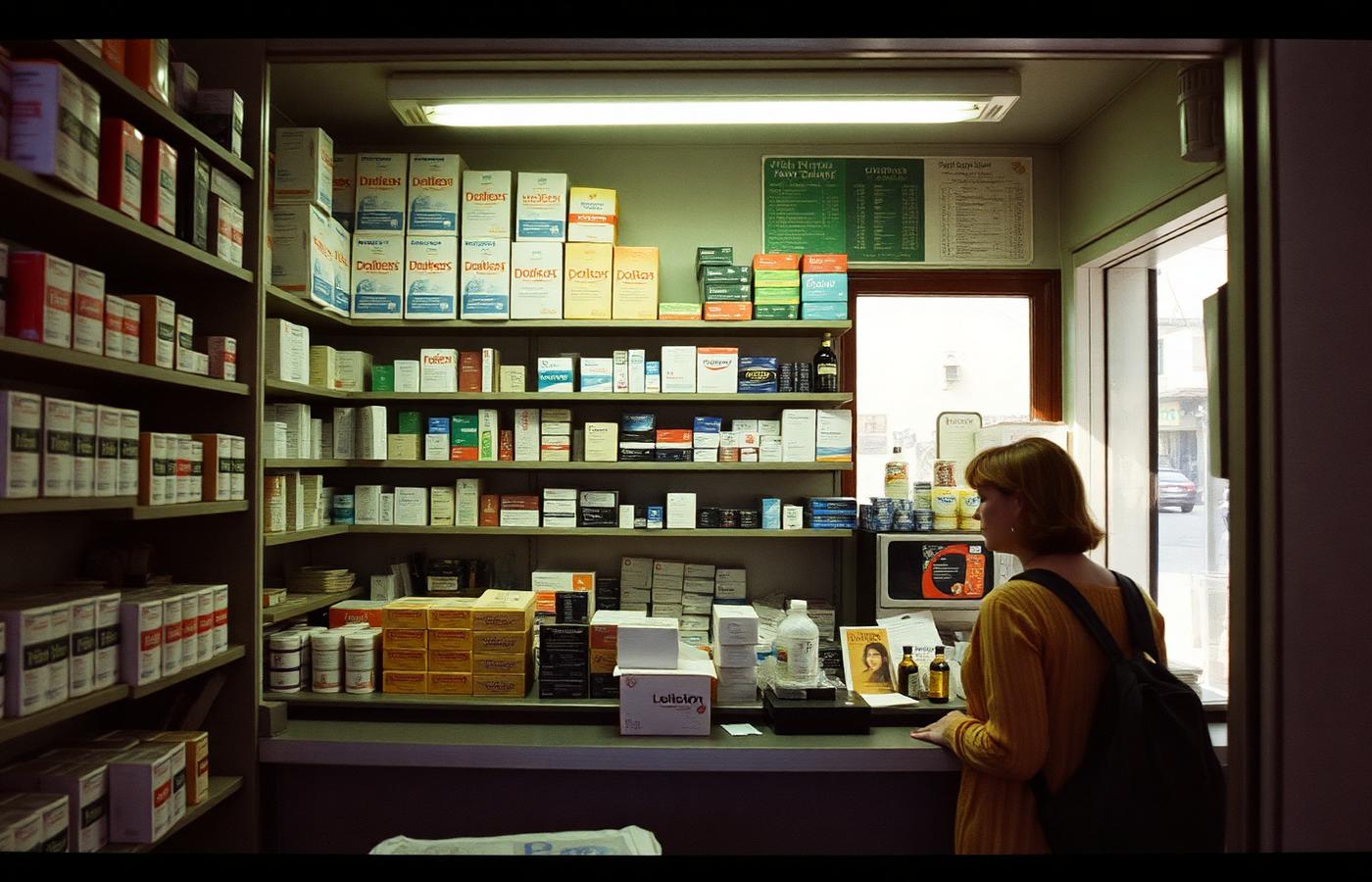
You will need a pharmacy, and it will be easier than you expect
Pharmacists in most of Europe, Turkey and Southeast Asia will diagnose small problems and sell you the medication directly. A consultation is free and a course of antibiotics for a chest infection in Portugal was £6.40.
Take the generic name of anything you use regularly, not the brand name. Brands change across borders and the generic name is printed in the same Latin script almost everywhere.
Insurance excess matters more than the headline price
A £22 annual policy with a £250 excess is worse than a £38 policy with a £75 excess if anything actually happens. Check that it covers the activities you will do. Scooter riding is excluded from most policies unless you hold a licence for the category, and scooter accidents are the most common serious claim among travellers in Asia.
Loneliness arrives around day five
It is normal and it passes. It usually arrives after the novelty and before the routine. The fix is structure rather than company. Book a walking tour, a cooking class or a language exchange for the middle of the first week. You do not have to make friends. You just need one appointment with the outside world.
Solo travel is still the best way to travel for most people. The guide to destinations for first time travellers picks places where this part is easier.
Nobody warns you about the paperwork of leaving
Tourist taxes are collected in cash at the property in Italy, Greece and much of central Europe, usually £1 to £4 per person per night, and they are never in the booking price.
Departure taxes still exist in some countries. Airport transfers on the way out cost the same as on the way in and are easy to forget in a budget.
Some countries require an exit form or a registration slip that the guesthouse fills in. Ask on the first night, not the last.
Small things that make a real difference
Learn ten words. Hello, please, thank you, how much, water, bill, yes, no, sorry, and the number two. People soften immediately.
Carry toilet paper. Public facilities in much of the world do not supply it, and many charge 20p to 50p for entry.
Take a photo of your bag before you check it, and of the taxi number plate before you get in.
Buy the local SIM or eSIM before you need it. Details are in the best travel apps guide.
Keep receipts for anything over £20 if you are claiming on insurance later.
The receipt
The list below is the real cost of the unglamorous first week of a trip to Turkey. None of it appears in the average budget, and it added £137 to the total.
The things that go wrong on the way home
Return legs cause more trouble than departures. Airlines can cancel your return if you no showed a flight earlier in the same booking, which catches people who book a cheap outbound and then change plans. Departure taxes still exist in cash form in a few countries, so keep about 20 pounds of local currency until you are through security. Tax refund desks at the airport need the goods, the receipts and your passport, and the queue is often 40 minutes, so arrive earlier than you think.
Check the visa exit rules for the country you are in, not just the entry ones. Some countries fine you per day for overstaying even by a few hours, and the fine is paid at the airport before you check in.
Habits that prevent most of it
Photograph your passport, insurance policy and card numbers, then email them to yourself so they exist somewhere that is not your phone. Set a calendar reminder for the day before your return flight to check the time, since schedule changes get emailed once and forgotten. Keep 50 pounds in cash somewhere that is not your wallet.
Tell your bank the countries and the dates through the app, not by phone. Register with your country's travel advisory service if you are going somewhere remote. None of this takes more than twenty minutes in total and it removes most of the panic moments described above. The first international trip guide sets out the order to do it in.
Frequently asked questions
How much cash should I take? About two days of spending plus the airport transfer, in small notes. Withdraw the rest from bank machines as you go.
Do I need vaccinations for Europe? Routine ones only. Outside Europe check the government travel advice page for the country at least eight weeks before departure, since some courses take time.
What is the most common travel mistake? Planning too many stops. Four cities in ten days is a transport schedule, not a holiday.
Is it safe to travel alone as a woman? Millions do it every year. The practical advice is the same as at home, plus arriving in daylight and booking the first two nights in advance.
How do I deal with scams? Most are not dangerous, only expensive. Agree prices before service, refuse unsolicited help at cash machines, and walk away from anything that starts with someone telling you your destination is closed today.
What should I do if I lose my passport? Contact the nearest British embassy. An emergency travel document costs £100 and takes two to three working days, which is why the photocopy and the spare photos matter.
If you want the practical planning order, start with how to plan an international trip and pack using the carry on packing list.
Before you fly, read how to stay healthy while travelling abroad for the jabs, kit and food rules that keep a trip on track.