
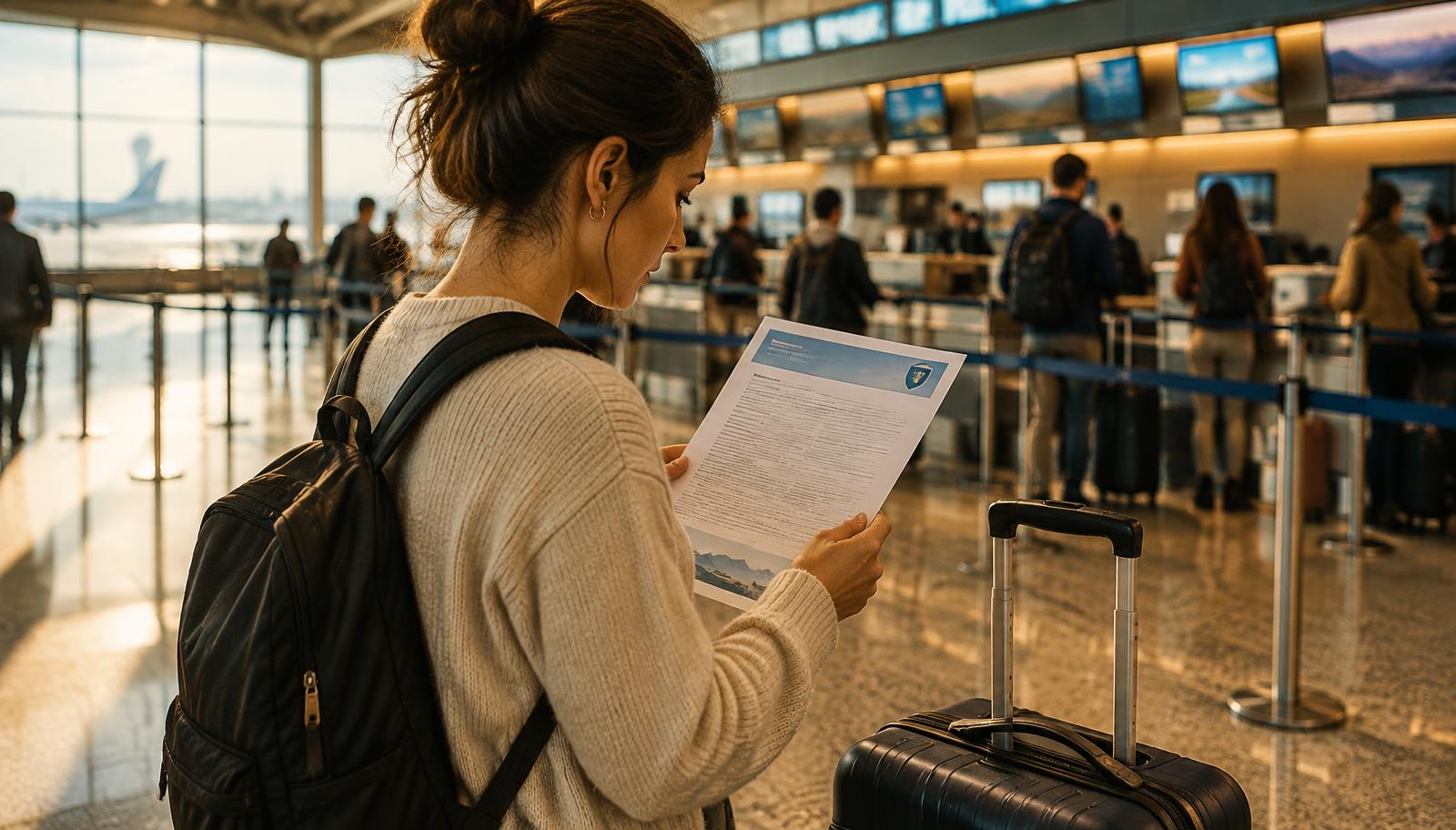
Travel Insurance Explained: What UK Policies Cover** Travel insurance is a financial safety net designed to protect you against specific risks while.
Travel Insurance Explained: What UK Policies Cover
Travel insurance is a financial safety net designed to protect you against specific risks while abroad, ranging from cancelled flights to emergency medical care. For a UK traveller, a policy acts as an indemnity contract: it aims to put you back in the same financial position you were in before an insured loss occurred. It does not cover every possible mishap, and it is not a substitute for careful planning.
The Short Answer: What is Covered?
Most standard UK travel insurance policies provide four core pillars of protection: medical emergencies, cancellation or curtailment, personal liability, and lost or stolen belongings. You pay a premium upfront, and in return, the insurer assumes the financial risk of these events, subject to a deductible known as an 'excess'.
Why UK Travellers Need Specific Policies
If you are a UK resident, your insurance needs differ from those of travellers in other regions. This is primarily due to the existence of the Global Health Insurance Card (GHIC) and specific consumer protections like the Package Travel Regulations. However, these do not replace insurance. A GHIC only covers state-provided healthcare in the EU and some other countries at the same rate as a local. It will not pay for a private medical repatriation flight to a UK hospital, which can cost tens of thousands of pounds.
Before you start booking, it is worth reviewing How to Plan Your First International Trip Step by Step to see where insurance fits into your wider timeline. Generally, you should buy insurance the moment you book your first element of travel to ensure you are covered for cancellation immediately.
Medical Cover: The Most Critical Component
Medical expenses are the primary reason to hold a policy. If you fall ill or sustain an injury that requires urgent clinical attention, the costs in countries without a reciprocal healthcare agreement can be astronomical.
What is typically included:
- Emergency surgery and hospital stays.
- Outpatient treatment for acute conditions.
- Medical repatriation (transportation back to the UK via air ambulance if medically necessary).
- Emergency dental work for pain relief.
What is typically excluded:
- Routine check-ups or elective procedures.
- Treatment for pre-existing conditions that were not declared at the time of purchase.
- Injuries sustained while under the influence of alcohol or non-prescription drugs.
Health note: This guide provides general information on insurance structures and is not medical advice. If you experience urgent symptoms such as chest pain, severe difficulty breathing, or heavy bleeding while abroad, seek immediate local emergency clinical assistance. Always consult a clinician regarding your specific health needs before travel.
Cancellation and Curtailment
Cancellation cover protects the money you have already spent if you are forced to cancel your trip before departure. Curtailment covers the pro-rata cost of the trip if you must return home early.
Valid reasons usually include a death in the immediate family, a redundancy, or a doctor certifying that you are unfit to travel. It rarely covers 'disinclination to travel', simply changing your mind because the weather looks poor or you are tired.
If you are using a Trip Cost Calculator to work out your total exposure, ensure your insurance 'cancellation limit' matches or exceeds the total value of your flights and accommodation.
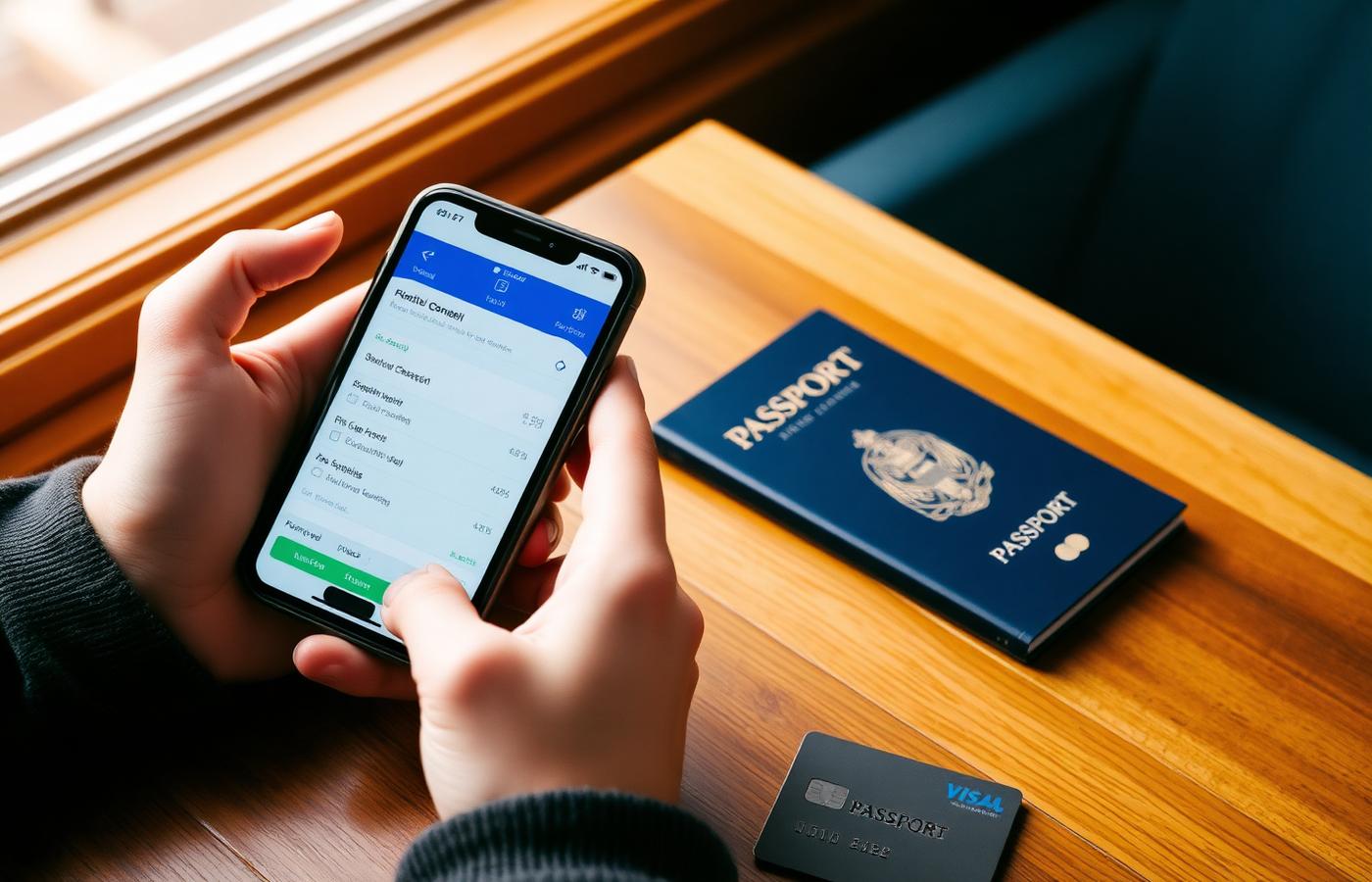
Baggage and Personal Possessions
This section covers the loss, theft, or damage of your items. However, UK policies often have a 'Single Item Limit'. If your policy has a total baggage limit of £2,000 but a single item limit of £250, you will not be fully reimbursed for a £1,000 laptop.
For solo travellers carrying high-value electronics, it is vital to check if these items require a specific 'gadget add-on'. While your Carry On Packing List for International Travel might be streamlined, the value of a smartphone, camera, and tablet combined often exceeds standard policy limits.
Personal Liability
This is a frequently overlooked but essential part of a policy. It covers you if you are held legally liable for injuring someone else or damaging their property. For example, if you accidentally knock over a pedestrian while cycling in a foreign city and they sue for damages, your personal liability cover handles the legal costs and settlements up to the policy limit (often £1 million or more).
Understanding Policy Types
Choosing the right structure can save money, but the cheapest option is not always the best value.
1. Single Trip: Covers one specific journey from the UK and back. Best for those who only travel once or twice a year. 2. Annual Multi-Trip: Covers any number of trips within a 12-month period. This is often more cost-effective if you plan three or more trips. Note that there is usually a maximum duration for any single trip (often 31 days). 3. Backpacker/Long-Stay: Designed for those travelling through multiple countries for several months. These policies often allow for more 'adventurous' activities but may have higher excesses.
Specific Caveats and Exclusions
Insurance is a contract, and the 'small print' contains the conditions you must meet for a claim to be successful.
The Alcohol Clause Most UK insurers will reject a claim if the incident occurred because you were intoxicated. There is no universal definition of 'too much', but if a police report or medical record suggests alcohol was a primary factor in an accident, you may be left paying the full bill.
Unattended Items If you leave your bag on a café chair while you go to the counter, it is considered 'unattended'. If it is stolen, the insurer will likely reject the claim for lack of reasonable care. One of the Things Nobody Tells You Before Travelling Abroad is how strictly insurers define 'supervision'.
Activity Gradings Standard policies cover basic activities like swimming or hiking on marked trails. However, activities like scuba diving, skiing, or riding a moped often require a specific premium. If you are using the Best Travel Apps Every Traveller Should Download to book a spontaneous paragliding session, check your policy PDF first to see if it is covered.
How to Compare Costs: A Hypothetical Example
When deciding between a basic and a premium policy, look at the excess and the limits.
- Policy A (Budget): Premium £15. Medical limit £2m. Excess £150.
- Policy B (Standard): Premium £25. Medical limit £10m. Excess £50.
Hypothetical scenario: You require treatment for a minor ear infection costing £200.
- Policy A: You pay the £150 excess; the insurer pays £50. Total cost to you: £15 premium + £150 excess = £165.
- Policy B: You pay the £50 excess; the insurer pays £150. Total cost to you: £25 premium + £50 excess = £75.
In this instance, the 'more expensive' premium resulted in a lower out-of-pocket cost during a claim. Always perform this arithmetic based on your own risk tolerance.
Official Guidance and Resources
The UK Government provides essential updates on travel requirements. You should always check the Foreign, Commonwealth & Development Office (FCDO) travel advice for your destination. If the FCDO advises against 'all travel' or 'all but essential travel' to a region and you go anyway, your insurance will almost certainly be void.
For a deeper dive into what the government recommends regarding insurance, visit the official guidance on foreign travel insurance.

Actionable Steps for Buying a Policy
1. Declare everything: Be honest about your medical history. Failing to mention a minor asthma diagnosis or a previous surgery can void the entire policy. 2. Check the FCDO status: Ensure your destination is not on the 'advised against' list. 3. Verify your gadgets: Total up the value of your phone, laptop, and camera. If they exceed the 'single item limit', look for an add-on. 4. Save the emergency number: Put the insurer’s 24-hour emergency assistance number in your phone and give a copy of your policy number to a contact at home.
Frequently Asked Questions
Does my bank account travel insurance cover me? Many UK 'packaged' bank accounts include travel insurance. However, you must check if it is active. Some require you to register your details or have a minimum monthly pay-in. Also, check the age limits, as many bank policies stop covering travellers once they reach 65 or 70.
What happens if a strike cancels my flight? If your airline cancels a flight due to a strike, they are usually responsible for rebooking you or providing a refund under UK261 regulations. Travel insurance typically covers 'Travel Abandonment', which pays out if you choose to cancel your entire trip after a significant delay (usually 12 to 24 hours) that the airline cannot resolve.
Do I need insurance if I have a GHIC? Yes. The GHIC does not cover many things, including mountain rescue, private hospital costs, or being flown back to the UK. In some EU countries, residents pay a percentage of their own medical bills (co-payment); without insurance, you would have to pay that percentage yourself.
Can I buy insurance if I am already abroad? Most UK policies must be purchased before you leave the UK. If you have already started your trip, you will need a specific 'already travelling' policy, which is offered by a limited number of specialist providers and usually carries a waiting period (often 48 to 72 hours) before cover begins.